
Last updated November 21, 2026
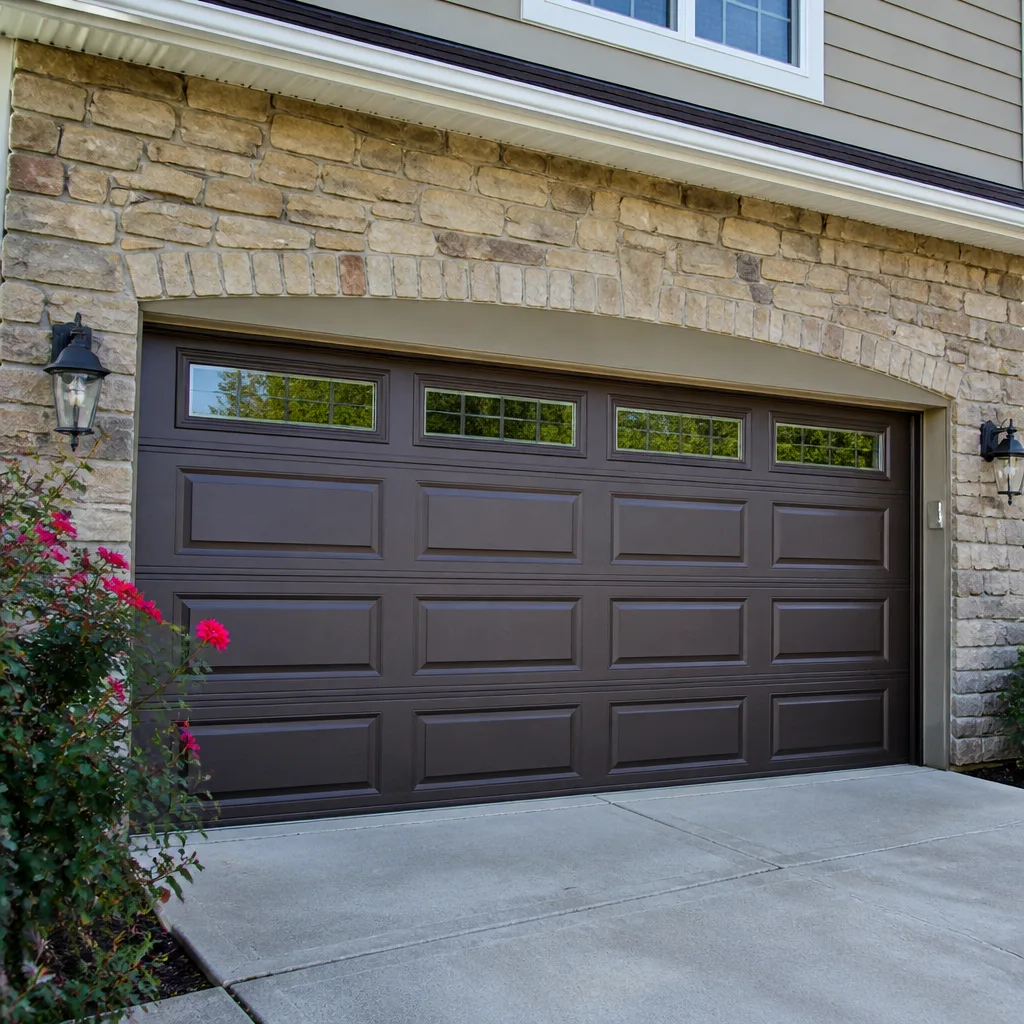 Raised-panel steel
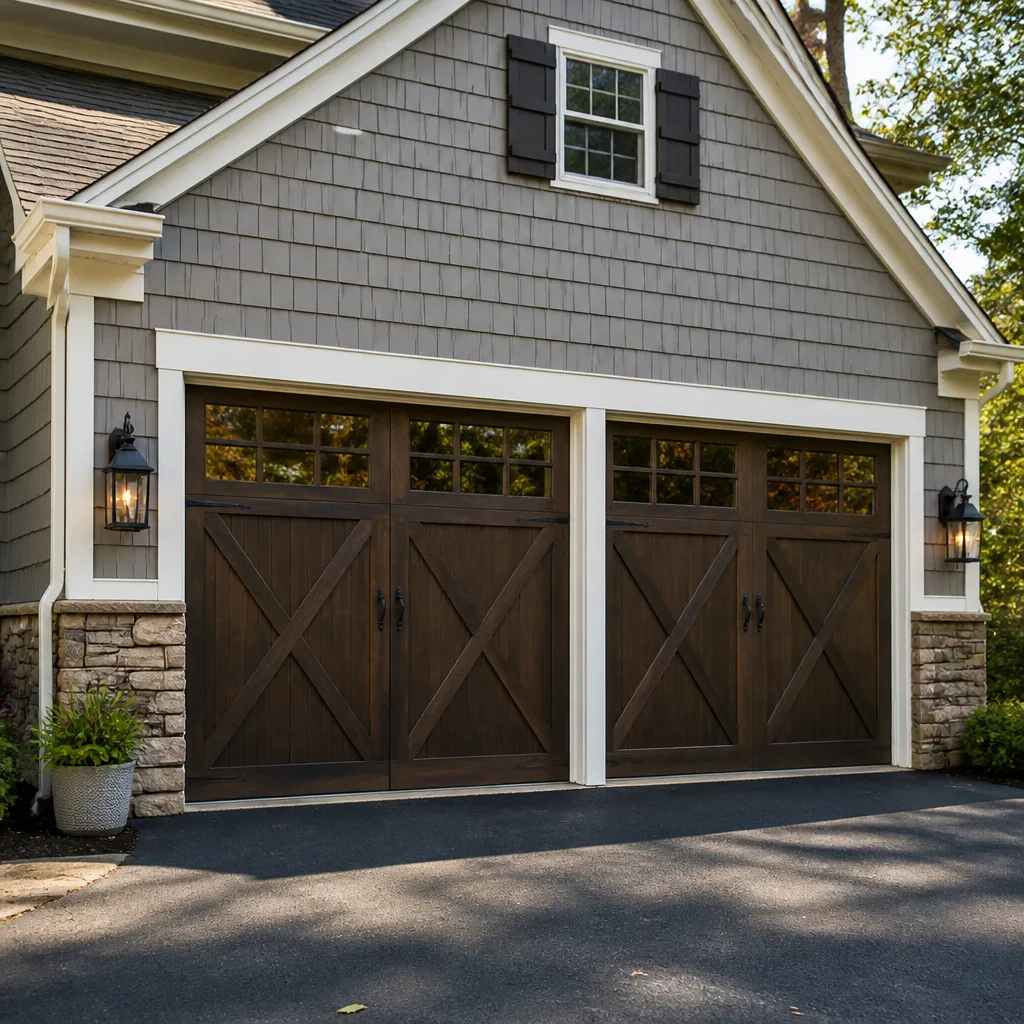 Carriage house
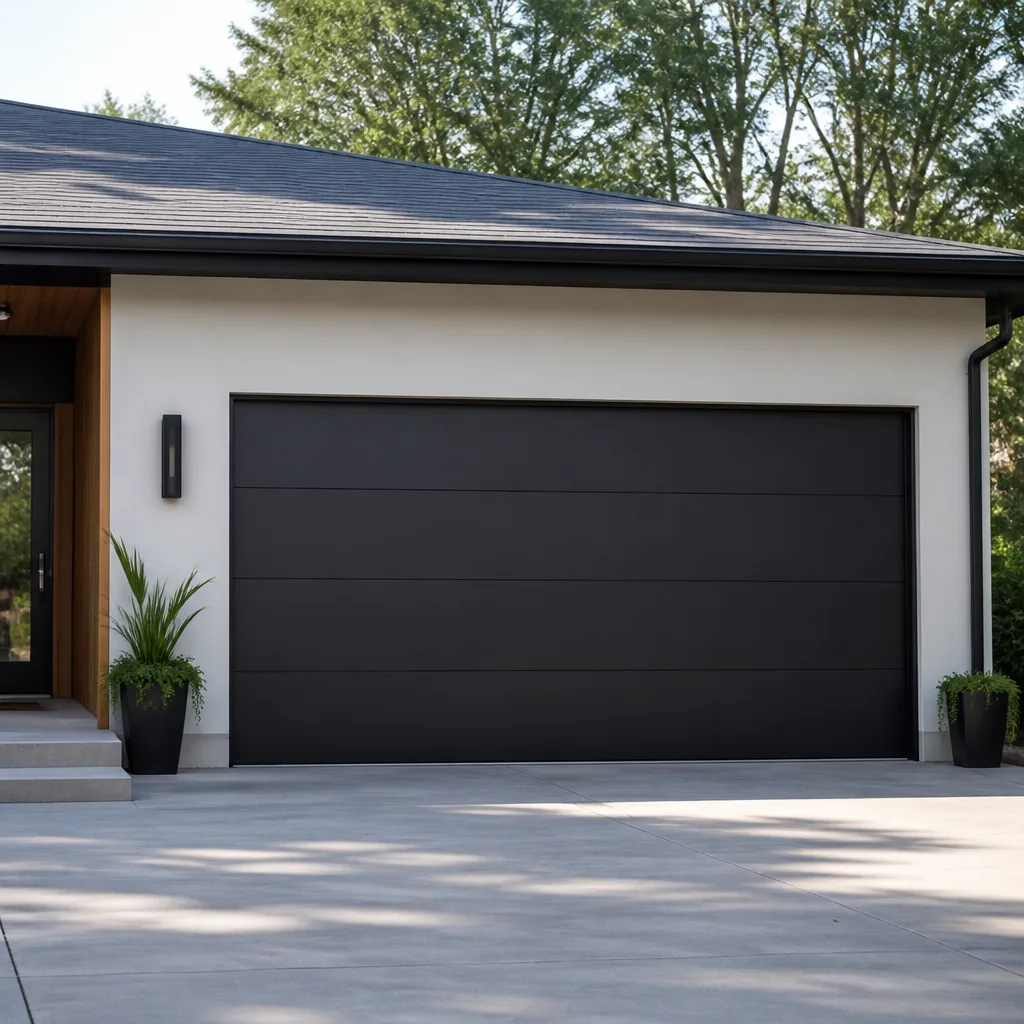 Modern flush
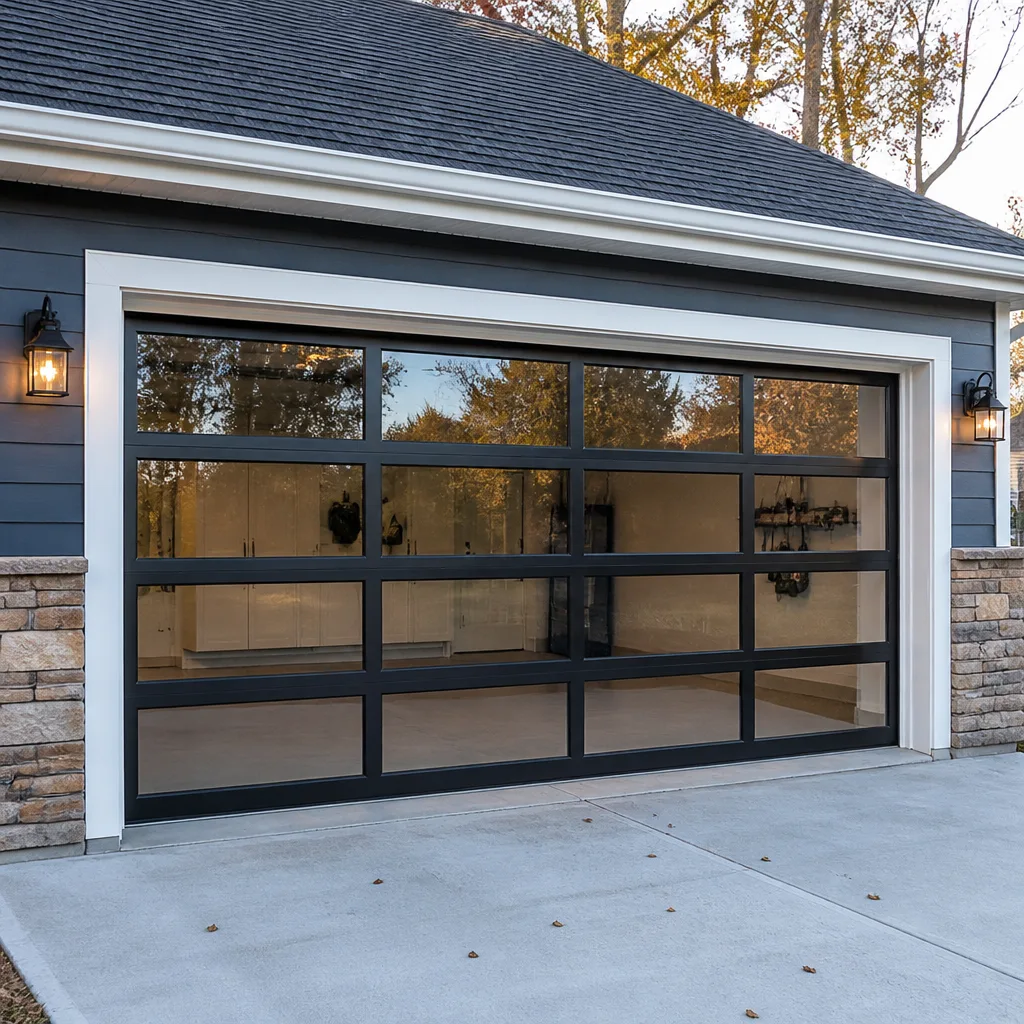 Full-view glass
 LiftMaster openers
 Chamberlain openers
Full 25-point door and opener safety check with every visit - springs, cables, rollers, tracks, and your LiftMaster or Chamberlain opener included
You get a price before we start. It does not change when the pro arrives.
Get your free estimateGarage Door Repair Troubleshooting in Vailsburg: Common Problems and How to Fix Them
A garage door that reverses before it touches the floor and a door that won’t budge at all feel like two completely different problems. Often they aren’t. Both can trace back to the same small culprit: a limit switch that’s drifted out of calibration, telling the opener the door is somewhere it isn’t. Most troubleshooting guides skip right past it and send you hunting for a bad spring that’s perfectly fine. This guide takes the opposite approach. Instead of matching symptoms to guesses, we’ll show you how to read what the door is actually telling you – where it stops, how it sounds, what the motor does – and trace that back to the real mechanical source. By the end, you’ll know exactly which zone of your door has the problem, and which fixes are safe to try yourself in Vailsburg and which ones need a trained hand.
Quick Answer
Most garage door problems in Vailsburg come down to one of five sources: a worn or broken spring, a cable that’s slipped off its drum, a track that’s bent or out of alignment, a misadjusted limit switch or force setting on the opener, or a failing opener motor. You can diagnose which one you’re dealing with by watching where the door stops, listening to the sound it makes, and checking each section – opener, springs, cables, tracks, panels – in order. Broken springs and any cable under tension are never a DIY job; they store dangerous force and should go to a technician. Limit switch, force setting, and track alignment issues are usually quick fixes once you’ve identified them.
Styles & brands we work with
- Raised-panel steel
- Carriage house
- Modern flush
- Full-view glass
- LiftMaster openers
- Chamberlain openers
Table of Contents
- Read the Door Before You Touch Anything
- What the Sound Tells You: Three Noises and What They Mean
- Spring, Cable, or Track? Telling Them Apart by How the Door Stops
- Why Limit Switch and Force Settings Get Misdiagnosed
- What’s Safe to Fix Yourself and What Isn’t
- A Section-by-Section Visual Checklist
- Vailsburg Doors, Weather, and Housing: What We See
- When Troubleshooting Should Stop and a Technician Should Start
Read the Door Before You Touch Anything
Troubleshooting a garage door starts with observation, not tools. Before you grab a wrench or pull the manual release, spend two minutes watching the door through a full open-and-close cycle. The way it moves tells you more than any single symptom on its own.
Here’s what to watch for, in order:
- Does it move at all? A door that doesn’t move when you press the button puts the problem in the opener or the power supply, not the door itself. A door that moves a few inches and stops puts it in the door mechanism.
- Where does it stop? A door that reverses immediately after starting is usually a safety sensor or limit switch issue. A door that reverses two-thirds of the way down is usually an obstruction or a force setting. A door that stops dead mid-travel is usually a binding track or a failing spring.
- Is the movement smooth or jerky? Jerky, uneven travel points to a track or roller problem. Smooth travel with a sudden stop points to the opener.
- Does the motor run without the door moving? If you hear the opener humming but the door stays put, the drive mechanism – belt, chain, or screw – has disconnected or failed.
In our experience, homeowners in Vailsburg and across the surrounding neighborhoods skip this step and go straight to the opener manual, assuming the motor is at fault because that’s where the button is. More often than not, the motor is fine and the door itself is telling a different story. The button is just the easiest place to point a finger.
What the Sound Tells You: Three Noises and What They Mean
Garage doors are noisy by nature, but the type of noise narrows down the problem fast. Listen for these three distinct sounds.
A metal-on-metal scrape
This is the sound of metal dragging across metal, and it almost always means a track, roller, or hinge issue. The door’s rollers ride inside the track, and when a roller seizes or a track bends out of alignment, the roller grinds against the steel instead of rolling through it. A dry hinge can produce a lighter version of the same scrape. This one is usually a track or hardware problem, not a spring.
A single loud bang
A single sharp bang – often loud enough to make you jump – is the classic signature of a torsion spring breaking. The spring is a coiled steel wire under heavy tension. When it snaps, it releases that tension all at once. If you hear this, stop operating the door. A door with a broken torsion spring is being held up by nothing but the opener, and the opener isn’t built to carry that weight. The door can come down hard.
Motor hum with no movement
If the opener hums but the door doesn’t move, the motor is trying to work but the mechanical link between it and the door has failed. Common causes are a stripped gear inside the opener, a snapped belt or chain, or a broken torsion spring that’s left the door too heavy for the opener to lift. This one requires checking the opener and the springs together before deciding which is at fault.
There’s a fourth sound worth naming: a repetitive clicking or grinding during travel, which usually points to a failing gear in older openers. We see this most often on legacy Craftsman units that have been carrying a door for a long stretch. Fixing the gear is more economical than replacing the opener in most cases, but the diagnosis has to come first.
Spring, Cable, or Track? Telling Them Apart by How the Door Stops
These three failures – spring, cable, and track – look similar from the driveway but behave differently once you watch closely. The single best diagnostic tool is where and how the door stops moving.
How a spring failure behaves
A door with a broken torsion spring usually won’t open at all when the opener is engaged, or it opens a few inches and stalls. With a broken extension spring (the type that runs along the ceiling), the door may open but drop suddenly or feel unusually heavy. A visual check of the torsion spring – the coiled bar above the door – will often show a visible gap in the coil where it snapped.
How a cable failure behaves
A cable that’s slipped off its drum or snapped typically causes the door to hang unevenly – one side higher than the other. The door may still move, but it will bind, grind, or tilt at an angle. A dropped cable often leaves a visible slack wire hanging near the drum at the top corner of the door. Never touch a cable that’s under tension or appears loose; a cable can whip with dangerous force when it releases.
How a track misalignment behaves
A bent or out-of-alignment track causes the door to bind and stop mid-travel, often with the metal-on-metal scrape described above. The door may jolt or reverse at the same spot on every cycle. Physically, you’ll see a gap between the roller and the track, or a visible kink in the steel. A door that catches and reverses at the exact same height every time is a strong sign of a track problem, not an opener problem.
The pattern to remember: uneven hanging points to a cable. A door that won’t lift at all, or lifts a few inches and stops, points to a spring. A door that binds at the same spot or reverses at the same height points to a track. Diagnosing this correctly saves you from replacing the wrong part. That’s the whole point of reading the door first.
If the diagnosis points to the spring, that’s where we slow down. Springs are the most dangerous part of any garage door, and we handle them as a dedicated service for a reason. If a technician is required, that’s the moment – not after you’ve been up on a ladder for an hour.
Why Limit Switch and Force Settings Get Misdiagnosed
A door that reverses before it reaches the floor or stops mid-travel is the single most commonly misdiagnosed garage door problem, and the culprit is almost always the opener’s limit switch or force setting. These two settings live inside the opener housing and control how far the door travels and how much resistance the motor is allowed to meet before it gives up and reverses.
What the limit switch does
The limit switch tells the opener where the “fully open” and “fully closed” positions are. When it drifts out of calibration – and it does, over time, with vibration and normal wear – the opener thinks the door has reached the end of its travel before it actually has. The result is a door that stops short, reverses early, or fails to close all the way. Nothing is broken. The opener has simply lost track of where the door is.
What the force setting does
The force setting tells the opener how much resistance it should tolerate before reversing. Every opener has a safety feature that makes it reverse if it hits an obstruction – a child, a pet, a bike, a trash can. When the force setting is too low, the opener mistakes normal resistance (a slightly stiff track, a cold morning, a bit of debris) for an obstruction and reverses. When it’s too high, the opener won’t reverse on a real obstruction, which is a safety hazard.
Why it gets missed
Homeowners and even some generalists see a reversing door and immediately suspect the safety sensors near the floor – the little photo-eye units mounted on either side of the door. Those sensors do cause reversing problems when they’re misaligned or dirty, and it’s worth checking them first because the fix is free (wipe the lenses, check the alignment). But when the sensors are clean and aligned and the door still reverses, the limit switch and force setting are the next two suspects, and most troubleshooting guides don’t mention them at all.
For opener-specific repair, we work across LiftMaster, Chamberlain, Genie, and legacy Craftsman units, and each brand places its limit and force adjustments in a slightly different spot with slightly different adjustment methods. A brand-familiar technician re-calibrates these in a few minutes. Tracking down the right adjustment on an unfamiliar unit can take far longer and risks making the setting worse.
What’s Safe to Fix Yourself and What Isn’t
Some garage door problems are genuinely safe for a careful homeowner to tackle. Others carry serious injury risk and belong in the hands of a trained technician. The line isn’t arbitrary – it follows the amount of stored energy in the component.
Safe to attempt yourself
- Sensor cleaning and alignment. Wipe the photo-eye lenses on both sides of the door and confirm the indicator lights are on and steady. If they’re off or flickering, realign until they are.
- Track straightening on a minor kink. A shallow bend in a vertical track can sometimes be tapped back into shape with a rubber mallet. Never force a severe bend; that’s a track replacement.
- Roller lubrication. A few drops of garage door lubricant on the rollers, hinges, and springs (the coil itself, not the winding bars) quiet a lot of squeaks and reduce wear. Use a proper garage door lubricant, not WD-40.
- Limit switch and force setting adjustments on a modern opener. Most current openers have adjustment dials or a digital menu, and the manual explains how to recalibrate. Bring the door to its closed position first and follow the manual exactly.
- Visual inspections of every section. Look at springs, cables, tracks, and panels after every major season change. Catching a frayed cable or a loosened bolt early prevents a bigger repair later.
Never attempt yourself
- Torsion spring replacement. The torsion spring is a coiled steel wire under heavy tension. Winding or unwinding it requires special tools and a full understanding of the tension involved. A slip can cause serious injury in an instant.
- Extension spring replacement. The same stored-energy risk applies, just in a different configuration. The springs run under the ceiling and can whip when released.
- Any work on a cable that’s under tension or has slipped its drum. A released cable can move with dangerous force. If a cable looks slack, snapped, or off its drum, stop and call a technician.
- Replacing a broken spring with a different-tension part. Spring tension has to match the door’s weight. Getting the wrong size is a safety hazard and can damage the opener.
- Full panel or door replacement. Doors are heavy, awkward, and easy to drop. Installation is measured and scheduled for a reason.
The reasoning matters as much as the list. A torsion spring holds enough stored energy to lift a car. When it releases unexpectedly, it releases all at once. Cables carry the same load in tension along their length. Tracks, rollers, and limit switches carry no stored energy and are safe to touch. That’s the line. It’s not about disclaimers – it’s about what’s actually dangerous.
A Section-by-Section Visual Checklist
Work through the door in this order: opener, springs, cables, tracks, panels. Each zone has its own failure signs, and checking them in sequence narrows the diagnosis fast. Grab a flashlight and go through this list every few months, and any time the door starts behaving oddly.
- Opener (the unit mounted on the ceiling). Check that the power light is on and the unit responds to the wall switch. Look for a frayed or snapped belt/chain. Listen for a hum with no movement. Check that the limit switch and force setting are where they should be. Verify the safety sensors at the floor are lit and aligned.
- Springs (the coiled bar above the door for torsion, or the long springs under the ceiling for extension). Look for a visible gap in the coil of a torsion spring, which signals a break. Look for stretched or sagging extension springs. Never touch a spring; just look. A broken spring is usually visible without tools.
- Cables (running from the bottom corners of the door up to the drums). Look for slack, fraying, or a cable that’s come off its drum. Check that both cables look symmetrical; one side noticeably tighter than the other is a warning sign. Do not pull or tighten a cable yourself.
- Tracks (the rails on either side of the door). Look for visible bends, kinks, or gaps between the roller and the track. Check that the rollers are seated inside the track and roll freely. Loose bolts along the track brackets should be snug, not torqued hard.
- Panels (the door sections themselves). Look for dents, cracks, or separation between panels. A panel that’s kinked or rusted through is a candidate for replacement, not repair. Also check the bottom seal for wear.
Doing this checklist once per season catches most problems while they’re still small. A slightly stiff roller turns into a track problem if it’s ignored. A frayed cable turns into a snapped cable. On a garage door in Vailsburg, seasonal checks line up naturally with the two big temperature swings – the first cool mornings of fall and the first warm days of spring – since both put fresh stress on the springs and the opener.
Vailsburg Doors, Weather, and Housing: What We See
Vailsburg’s housing stock shapes the kind of garage door problems homeowners here run into. Many homes in the neighborhood have older single-car garages with legacy openers – Craftsman units installed years ago, extension springs rather than torsion springs, and doors that have been patched a few times. That setup produces a distinct set of failures.
Older openers mean gear wear is more common here than on newer systems. The nylon or metal gears inside the opener degrade over time and eventually strip, producing the hum-without-movement symptom described above. On those units, a gear replacement is usually the right call rather than a full opener swap, provided the motor itself is still strong. Brands like Wayne Dalton and Raynor show up on a lot of the doors in this area too, and each has its own roller and track configurations that a brand-familiar technician recognizes immediately.
The local climate plays a part. Northern New Jersey winters bring freezing nights and thaws that expand and contract the metal in tracks and springs. That cycling works hairline cracks into older torsion springs and loosens bolts along the track brackets. Spring mornings tend to be when doors fail, because the cold contraction of the winter is releasing and everything is shifting at once. If your door has been sounding tired all winter, the first warm week is when you’ll find out why.
The bottom seal takes a beating too. Between winter’s snowmelt and the freeze-thaw cycle, the rubber seal at the bottom of the door cracks and lets in drafts and moisture. It’s a cheap part and a common replacement. A worn bottom seal also throws off the door’s balance, which the opener notices as extra weight and can misread as an obstruction.
What this means for troubleshooting: if you live in a Vailsburg home with an older garage, weigh the legacy-opener gear wear heavily, check the springs carefully after any freeze, and treat an uneven door as a strong cable signal. The newer townhomes and renovated garages on the edges of the neighborhood usually run modern LiftMaster or Chamberlain systems with Wi-Fi openers, where the limit switch and force setting are more often the culprit than the springs.
When Troubleshooting Should Stop and a Technician Should Start
There’s a point in every troubleshooting session where continuing to poke around makes things worse, not better. Recognizing it is part of reading the door correctly.
Stop and call a technician if any of these are true:
- You heard the bang and see a gap in the torsion spring. Stop operating the door.
- A cable looks slack, frayed, or has come off its drum.
- The door is hanging unevenly, or one side has dropped.
- The opener hums but the door won’t move, and you’ve already checked the power and wall switch.
- You’ve cleaned and aligned the safety sensors, adjusted the limit switch and force setting, and the door still reverses or stops mid-travel.
- The door is binding at the same spot on every cycle, and you can’t find a visible track bend.
- You’re not comfortable working on a ladder or under the door.
None of those situations gets better with another hour of fiddling. In most cases, a technician who knows the brand and the failure pattern can diagnose and repair in a single visit, and the cost of getting it right the first time is lower than the cost of guessing at parts.
If a broken door has left your car stuck inside or your home unsecured, that’s an emergency – not a tomorrow problem. We offer emergency garage door service for exactly those situations. If you’re scheduling a repair rather than an emergency, same-day service is often possible and the written estimate comes before any work starts.
Common Mistakes to Avoid
- Pulling the manual release when the door is under spring tension. The red release cord disconnects the door from the opener, and if the spring is broken, the full weight of the door comes down all at once. Never pull the release on a door that won’t lift normally.
- Assuming the opener is the problem because the button is where you started. In Vailsburg homes with older doors, the opener is often perfectly fine, and the door is binding, out of balance, or running on a failing spring. Diagnose the door first, then the opener.
- Replacing a spring without matching the tension. A spring has to match the door’s weight and the number of cycles the door is expected to run. Buying a part off a shelf without checking the door’s specifications is a safety hazard and can overload the opener.
- Ignoring the safety sensors. A misaligned or dirty sensor at the base of the door is a free fix and a common cause of reversing doors, especially after winter snowmelt has shifted the mountings. Check the sensors before adjusting anything inside the opener.
- Over-lubricating the tracks. The tracks should stay mostly clean and dry; too much lubricant attracts grit that jams the rollers. Lubricate the rollers, hinges, and the spring coil, not the track surface itself.
- Continuing to run the door with a broken spring. The opener will try to lift a door it isn’t built to carry, and it will eventually burn out the motor or strip the gear. A broken spring becomes an opener replacement if the door is run long enough.
- Skipping the seasonal check. The freeze-thaw cycle here works on springs and track bolts all winter. A ten-minute look each fall and spring catches most of these failures while they’re still cheap.
See the difference
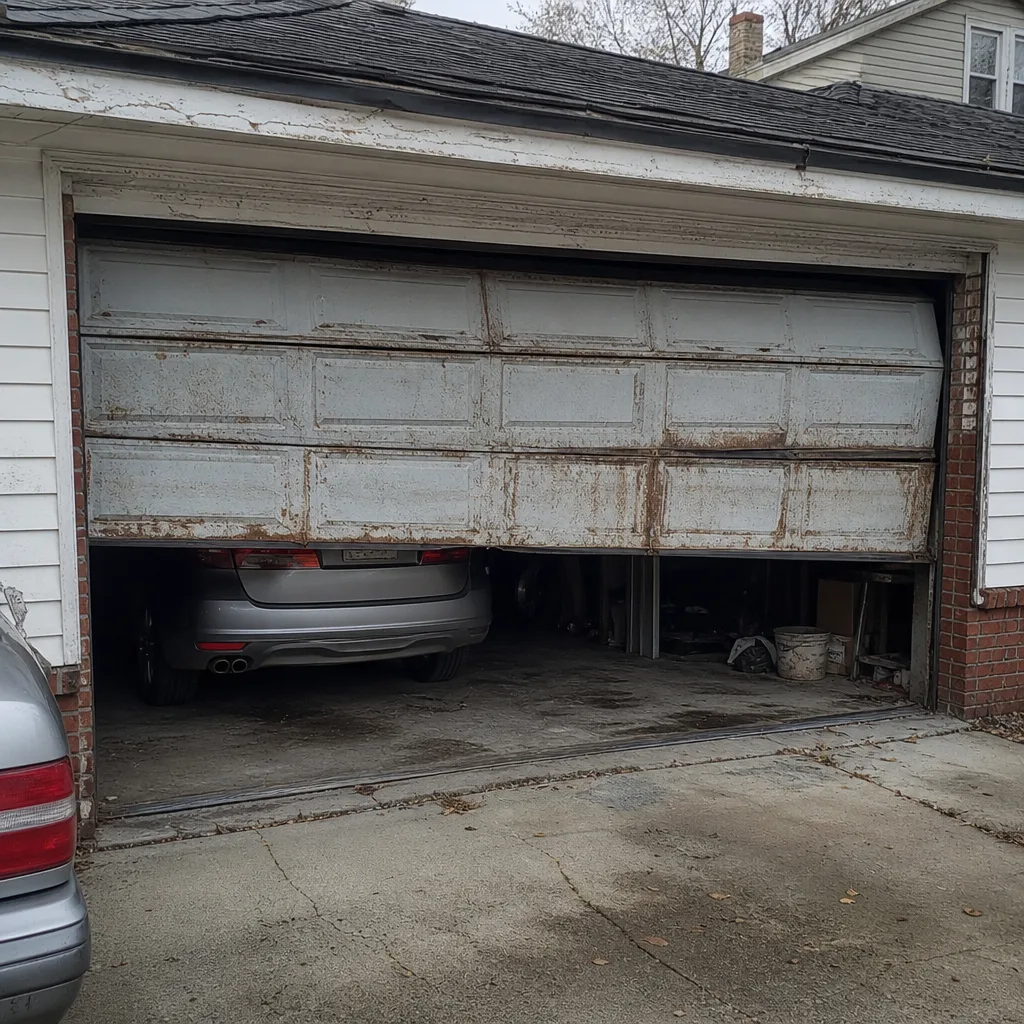 Before
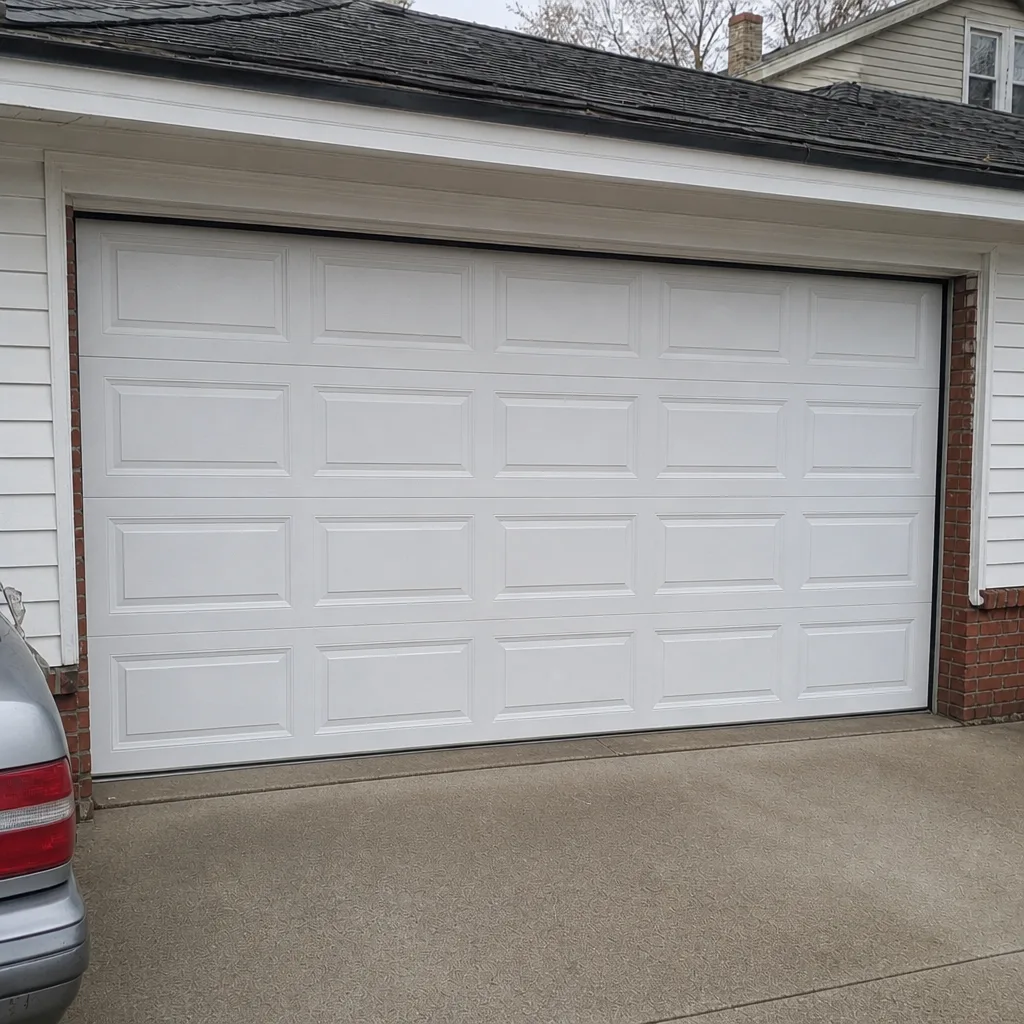 After
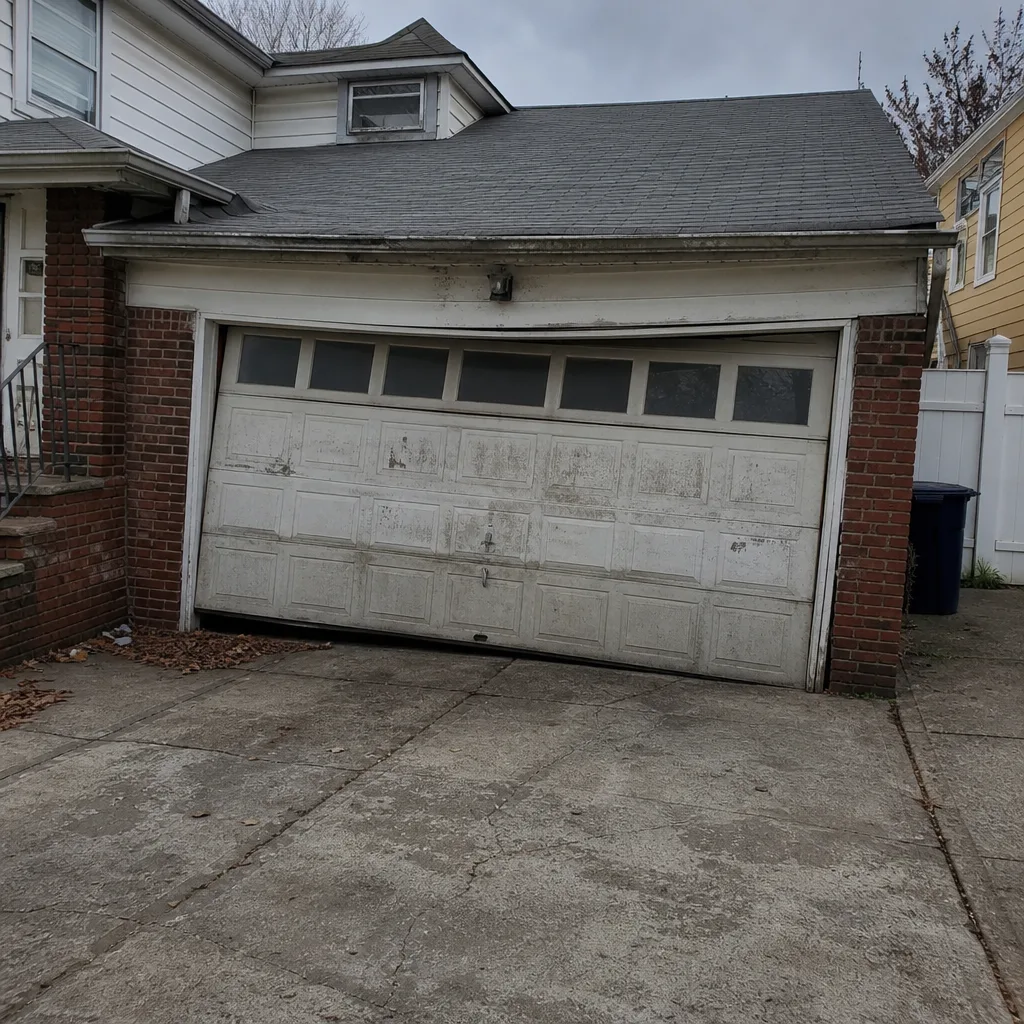 Before
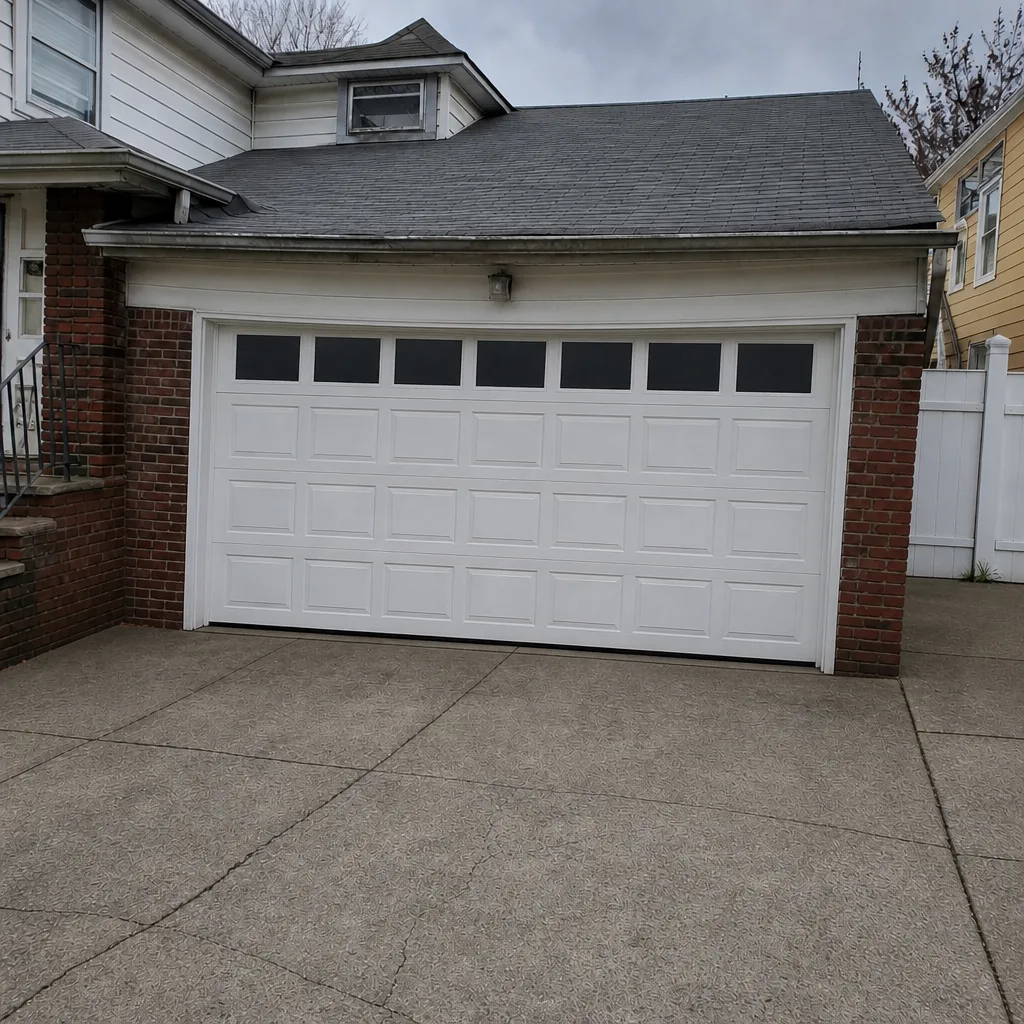 After
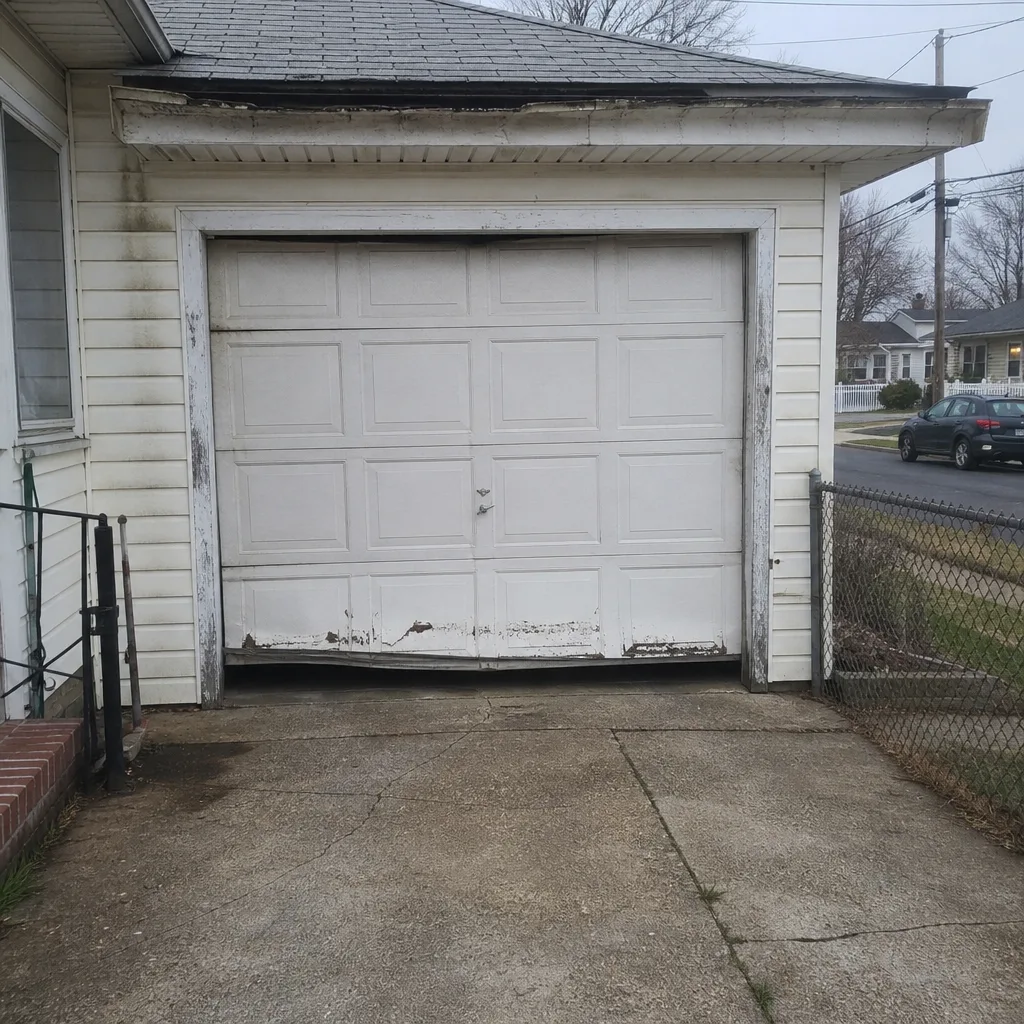 Before
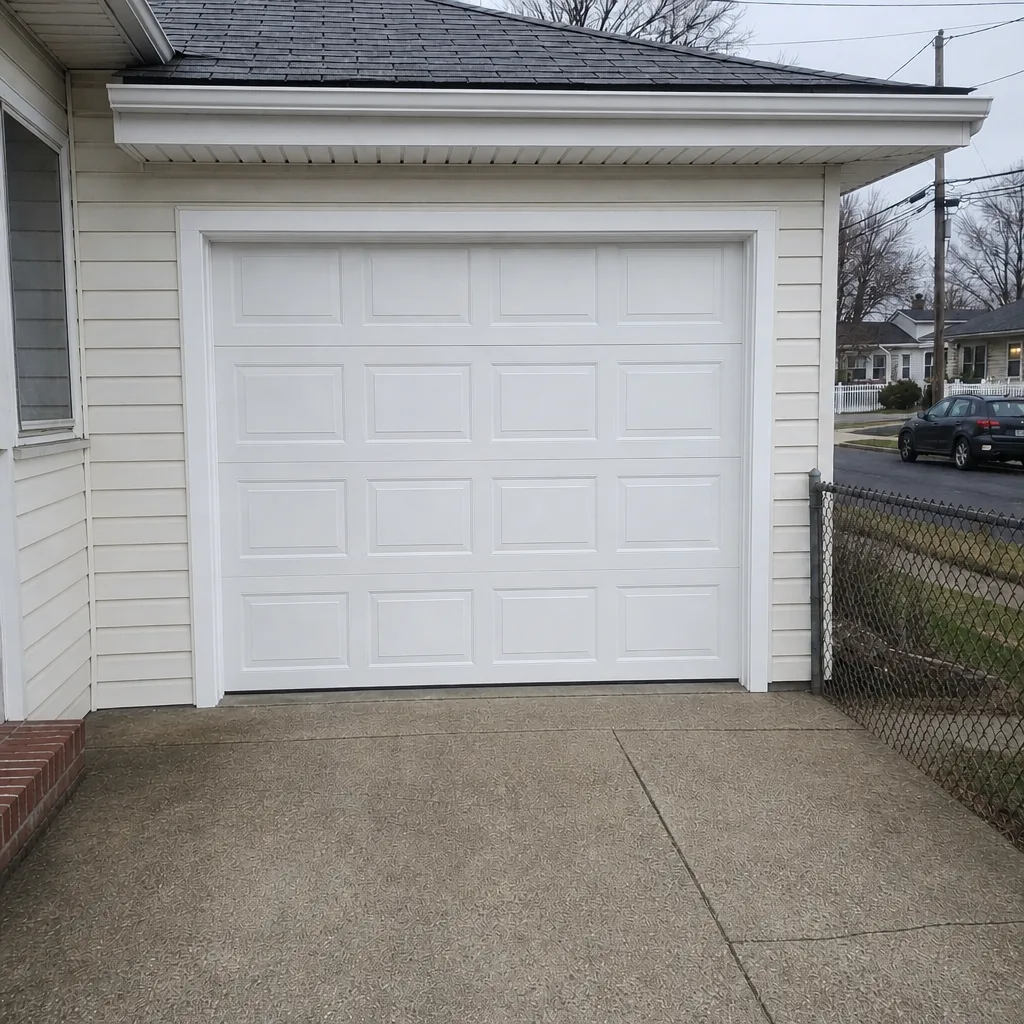 After
When to Call a Professional
Read the door first, then decide. If the failure is a broken torsion or extension spring, a slack or snapped cable, an uneven door, or a problem that’s still there after you’ve cleaned the sensors and recalibrated the limit switch, that’s the moment to call. Trying to force those repairs yourself can cause serious injury and will usually make the eventual repair more expensive. For a door that needs a professional eye, our garage door repair service covers all five zones of the door – opener, springs, cables, tracks, and panels – with a single-visit diagnosis and a written price before work starts. If the opener’s the fault, our garage door opener repair handles everything from legacy Craftsman units to current smart openers. And if the door’s beyond repair, our garage door installation replaces it with a properly measured, properly tensioned door. Garage Door Repair Vailsburg offers free estimates in Vailsburg – call (877) 331-4152. We answer 24/7. Fast dispatch from 7am to 7pm, Sunday through Friday.
Frequently Asked Questions
Spring repair in Vailsburg typically runs $180 to $340 for a single spring, and because matched pairs are almost always replaced together, a pair runs about twice that. The written estimate you get on-site sets the final price, so there are no surprises after the work starts. Call (877) 331-4152 for an exact quote – estimates are free.
Often yes. Stuck doors are exactly the kind of problem we treat as urgent, especially when your car is trapped or the house is unsecured. Same-day service is usually available, and emergency garage door service covers the cases where waiting isn’t an option. Call (877) 331-4152. We answer 24/7. Fast dispatch from 7am to 7pm, Sunday through Friday.
A door that reverses just before closing is usually a misaligned or dirty safety sensor, or a limit switch that’s drifted out of calibration. Check and clean the photo-eye sensors first, then check the limit switch on the opener. If both are correct and the door still reverses, the force setting is the next suspect. If you want it diagnosed in one visit, call (877) 331-4152 – estimates are free.
No – the price is quoted and agreed before any work starts, and the written estimate is the final price for the job. If we find a second problem while we’re on-site, we tell you about it and quote it separately before doing anything, so you always know exactly what you’re paying for before we begin.
The local professional we connect you with is licensed and insured as their state requires, and our technicians have up to 8 years of experience with the brands we cover. We work on doors and openers from LiftMaster, Chamberlain, Genie, Clopay, Amarr, Wayne Dalton, Craftsman, and Raynor, so the diagnosis reflects the actual brand on your door. Call (877) 331-4152 to book an estimate.
The torsion spring is the most dangerous part, followed by any cable under tension. Both store enough force to cause serious injury in an instant if they release unexpectedly. Leave spring and cable work to a technician and limit DIY to sensors, rollers, track alignment, and limit switch settings. Call (877) 331-4152 if you suspect a spring or cable failure.
The Bottom Line
Most Vailsburg garage door problems get misdiagnosed because homeowners chase the symptom – the noise, the stuck door, the early reverse – instead of tracing it back to the mechanical source. The fix starts with observation: watch where the door stops, listen to the sound, and check each section of the door in order. Springs, cables, and tracks each fail in their own pattern. Limit switch and force setting drift explains far more reversing doors than most guides admit. Stay out of the springs and any tensioned cable, and call a technician the moment the diagnosis lands there. Read the door first. The right repair usually becomes obvious – and the wrong one becomes easy to avoid. For anything the diagnosis points to a technician, our Garage Door Repair Vailsburg team is ready to help, and our free estimate means you’ll know the cost before any work starts.
Written by the team at Garage Door Repair Vailsburg.