
Last updated November 21, 2026
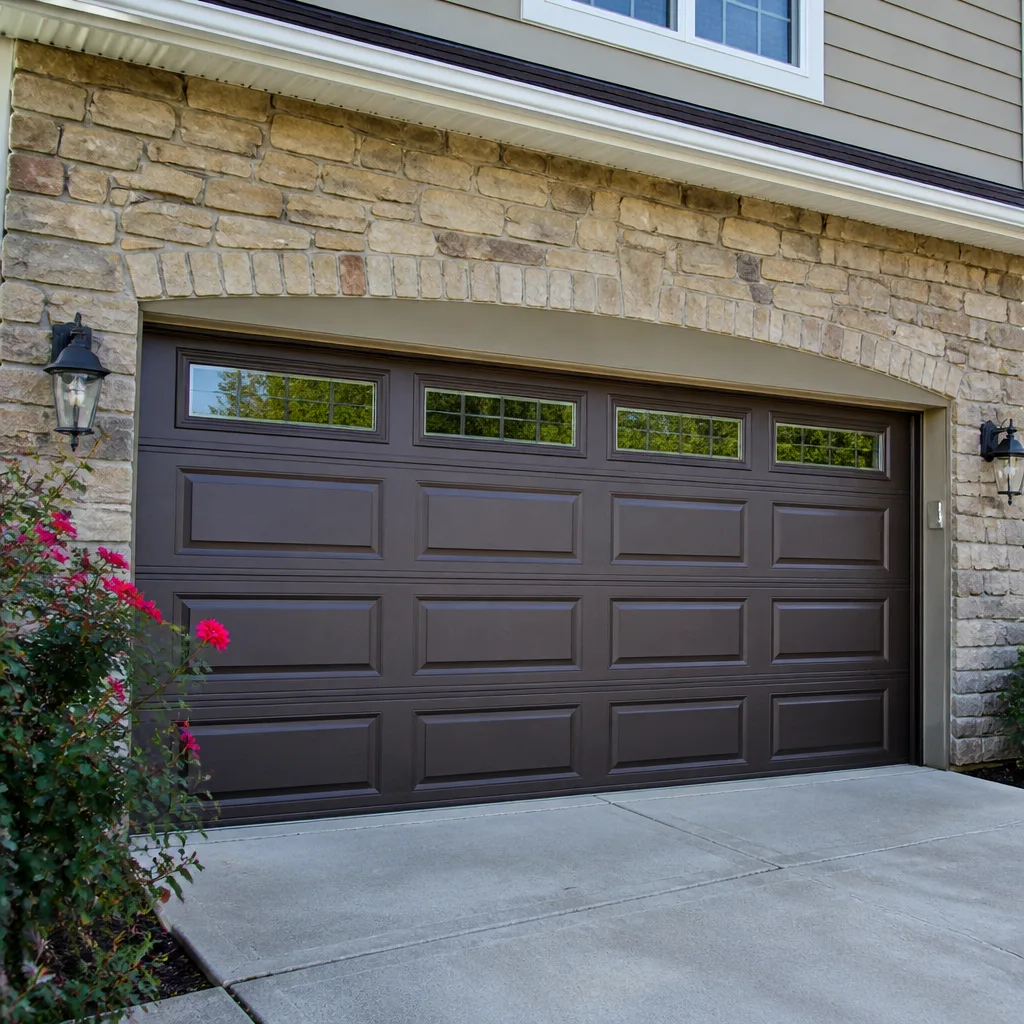 Raised-panel steel
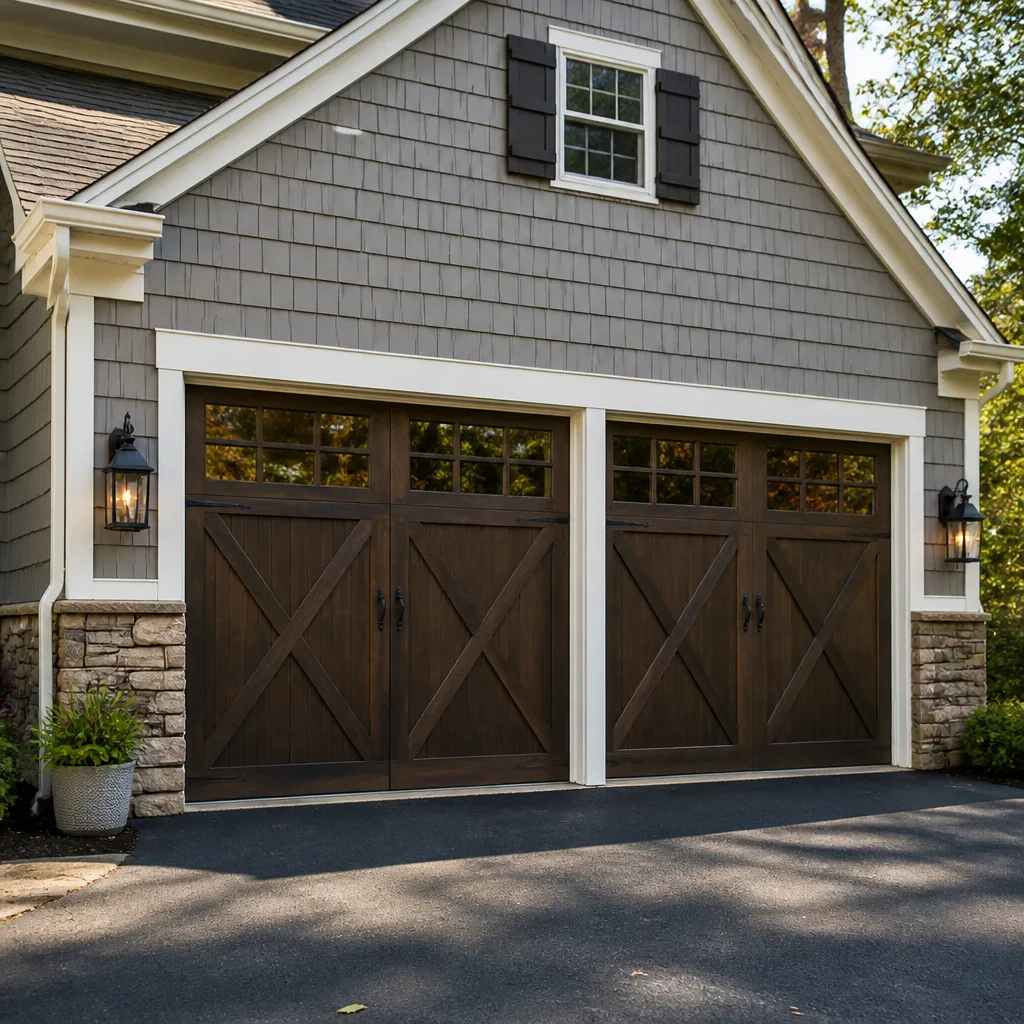 Carriage house
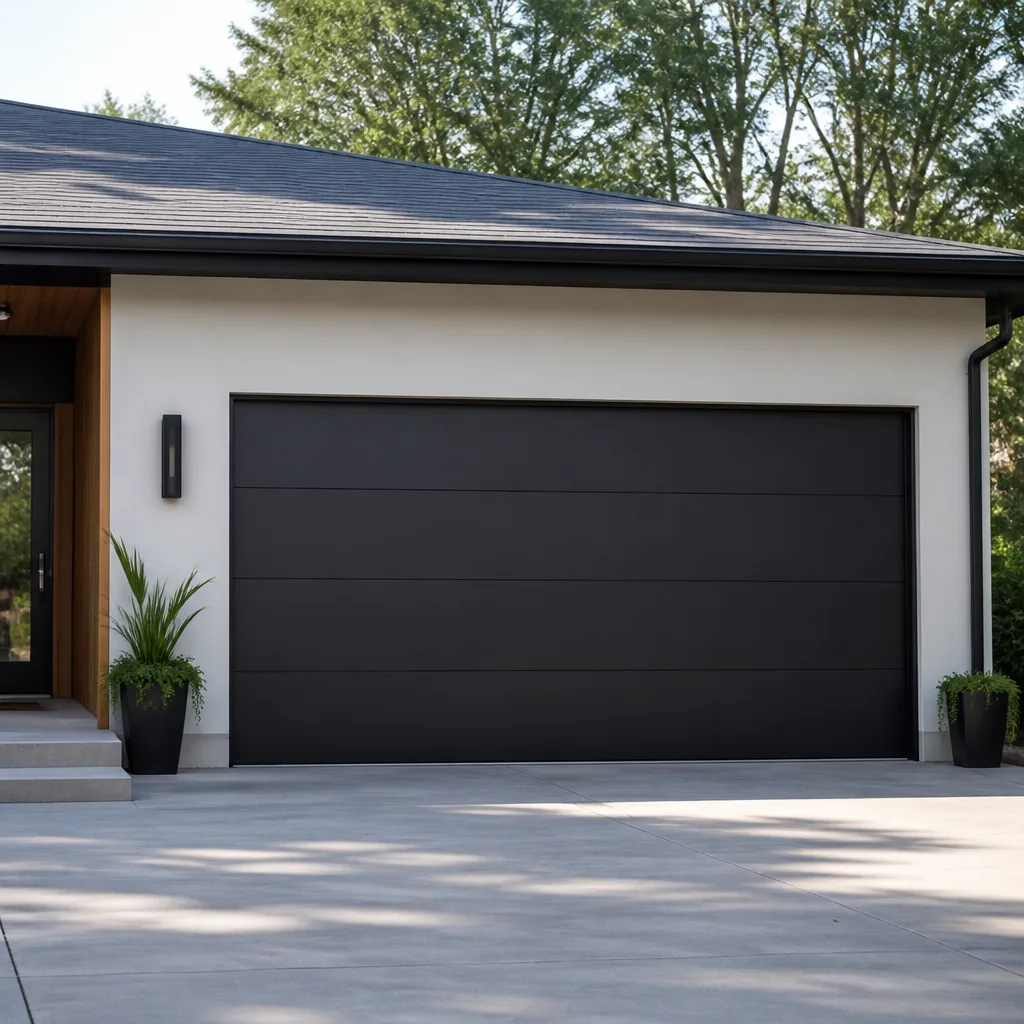 Modern flush
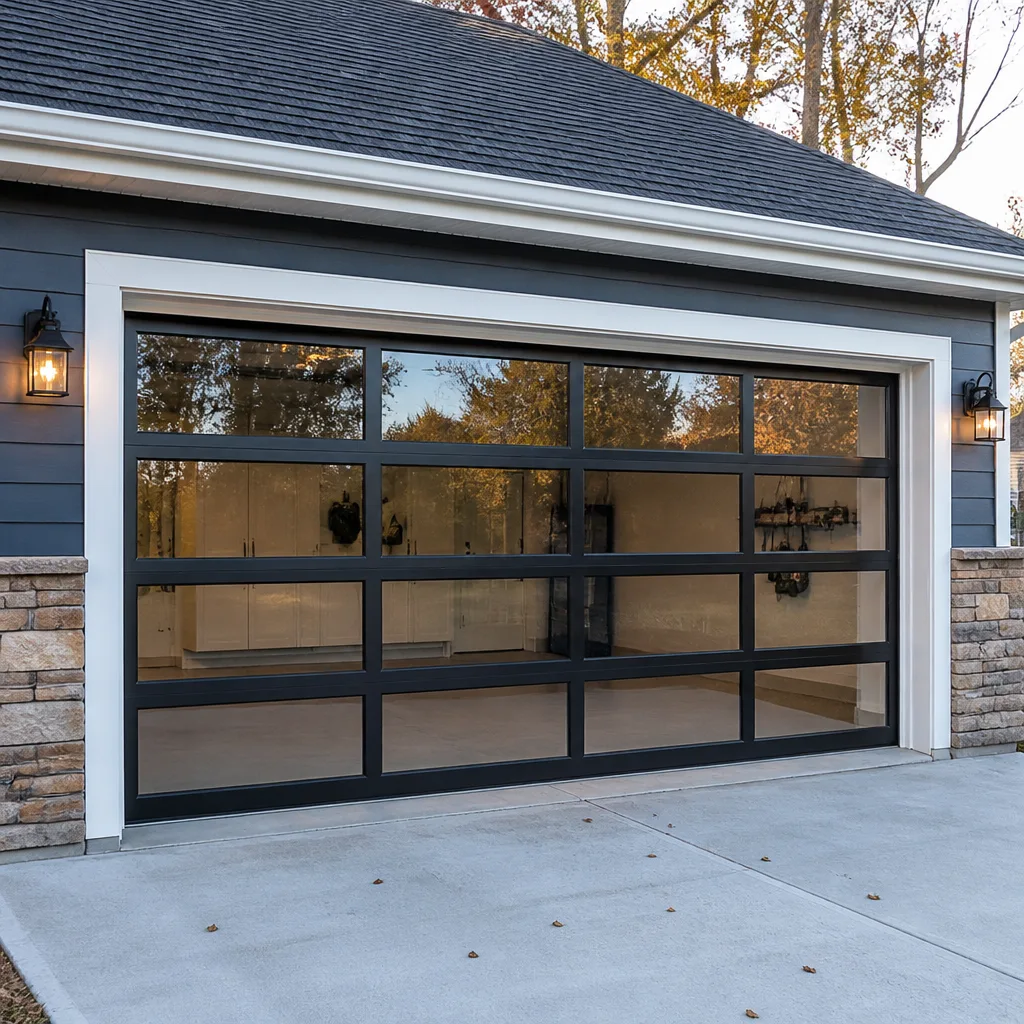 Full-view glass
 LiftMaster openers
 Chamberlain openers
Full 25-point door and opener safety check with every visit - springs, cables, rollers, tracks, and your LiftMaster or Chamberlain opener included
You get a price before we start. It does not change when the pro arrives.
Get your free estimateGarage Door Warning Signs: A Vailsburg Homeowner’s Reference Guide
A grinding sound and a squeaking sound coming from a garage door need completely different responses. One is a lubrication fix you can handle with a can of spray from the hardware store. The other is a same-day service call before a cable lets go and a panel drops. Most homeowners treat them the same way, which usually means ignoring both until the door stops working entirely. This guide is our attempt to fix that. We spend a lot of hours on garage doors around Vailsburg, and we’ve learned that the noises and movements homeowners notice first almost always point to a specific cause. Here’s how to read them.
Quick Answer
Most garage door failures give warning signs well before they break: grinding or squealing means worn rollers or dry tracks, a jerky or slow-moving door points to a failing spring or unbalanced tension, and visible cable fraying or slack is an immediate stop-use signal. In Vailsburg, where many detached and converted garages sit in older frames, symptoms also show up as uneven gaps and panels that bind, which often trace back to a sagging header rather than the door itself. If you hear a sharp bang and the door stops dead, that’s a broken spring and the door shouldn’t be used until a technician sees it.
Styles & brands we work with
- Raised-panel steel
- Carriage house
- Modern flush
- Full-view glass
- LiftMaster openers
- Chamberlain openers
Table of Contents
- Symptom-to-Cause Reference Table
- The Three-Tier Urgency System
- What Each Noise Is Telling You
- Reading the Movement: Slow, Jerky, Uneven
- Why a Reversing or Slow Door Is Rarely a Sensor Problem
- The Visual Difference Between Normal Wear and a Cable About to Snap
- Vailsburg Detached and Converted Garages: Reading Symptoms Differently
- Panel, Track and Hardware Signs You Shouldn’t Ignore
Symptom-to-Cause Reference Table
Before you call anyone, the fastest way to sort out what’s happening is to match what you’re seeing or hearing to a likely cause. This table covers the symptoms Vailsburg homeowners describe to us most often. It isn’t a substitute for a diagnosis, but it tells you how worried to be and what the fix usually involves. Print it or save it to your phone; it’s the kind of thing that’s useful at 7 in the morning when you’re trying to get out the door and something sounds wrong.
- Grinding noise while moving: Worn steel rollers, dry hinges, or debris in the track. Usually a lubrication or roller replacement, not urgent if the door still runs smoothly.
- Squealing or high-pitched squeak: Metal-on-metal friction at hinges and rollers, or a torsion spring that’s lost its lubrication. A quick fix if caught early.
- Loud bang, usually followed by the door not opening: A broken torsion or extension spring. Stop using the door immediately.
- Clicking that repeats: Opener gear or limit switch issue, or a stripped trolley. The door may still work but is on borrowed time.
- Slow descent, especially in cold weather: Weak springs or a door that’s out of balance. Often mistaken for an opener problem.
- Jerky or uneven travel: A binding track, a warped panel, or a failing spring on one side.
- One-side gap when the door is closed: Uneven tension, a bent track, or a settling frame. Common in older Vailsburg detached garages.
- Visible slack in a cable: A cable that’s about to fail or has already left its drum. Stop using the door.
- Rust streaks along the track or panel seams: Moisture getting into sealed seams, often a sign of aging panels and hardware that needs replacement.
- Bowing or dented panel: Impact damage or a panel that’s structurally weakened. Can affect balance and safety reversal.
If more than one row applies, treat the most severe one as your starting point. A grinding noise and a visible cable issue together means the door should be parked until a technician can look at it. If you’re not sure which row fits, our garage door repair team can talk it through before anyone comes out.
The Three-Tier Urgency System
Here’s the thing most warning-sign guides skip: not every symptom needs a call today. Some need a same-day visit. Some need a scheduled appointment in the next couple of weeks. Some just need you to keep an eye on them. Telling the difference saves you money and lets you make the call calmly rather than in a panic. We break every symptom into one of three tiers, and here’s how we draw the lines.
Tier 1: Monitor It
Symptoms in this tier don’t affect safety or daily function. A slight squeak that shows up on very cold mornings. A single roller that sounds a little rough. An opener that clicks once when it engages. Note what you’re hearing, keep an eye on it, and mention it the next time you have someone out for anything else. If the symptom gets louder or starts happening every time, you’ve graduated to Tier 2.
Tier 2: Schedule Within Two Weeks
These symptoms are headed somewhere bad but aren’t dangerous yet. A grinding noise on every cycle. A door that runs noticeably slower than it used to. Rust streaks along the track that suggest the hardware is aging out together. A single panel that’s starting to look bowed. Book an appointment within the next two weeks, before the symptom turns into something that leaves you parking outside. In our experience, most Tier 2 items are cheaper to fix once than after they’ve caused a Tier 3 problem.
Tier 3: Stop Using the Door Today
This is the short list. Stop using the door if:
- You heard a bang and the door won’t lift, or lifts crooked.
- A cable looks slack, coiled, or has popped off the drum.
- The door comes down hard or reverses without an obstruction.
- A spring is visibly broken or missing coils.
- The door hangs crooked, with one side higher than the other.
- A panel has separated from its hinge or the track.
Tiers 3 means the door is unsafe to operate, and every subsequent cycle makes the eventual repair more involved. Call (877) 331-4152 and get it looked at today.
What Each Noise Is Telling You
Sound is the first thing most Vailsburg homeowners notice, and it’s the easiest symptom to misread. Grinding, squealing, banging and clicking all point to different parts of the system. If you can describe the noise to a technician, you’ve done most of the diagnosis already. Here’s the plain-language version.
Grinding
Grinding is metal rolling over metal without lubrication. Usually it’s your rollers (the small wheels that ride inside the track), or dry hinges, or a small piece of grit that has embedded itself in the track. A grinding door doesn’t usually fall, but the friction wears down the parts that keep it aligned. Left alone, grinding turns into a roller that seizes and a door that shudders on its way up. It’s the classic Tier 2 warning: worth fixing soon, not worth panicking over.
Squealing
Squealing is a higher-pitched version of grinding, and it almost always traces back to the same cause: dry metal. Hinges, rollers and, less often, the spring itself. The good news is that squealing is the easiest symptom to stop early. The bad news is that squealing you’ve ignored for six months usually means several parts have already worn and need replacing rather than simply lubricating.
Banging
A single loud bang, then the door stops, or goes up crooked, or won’t open at all. That’s a spring breaking. Sometimes the bang happens while the door is sitting closed, sometimes as it’s opening. Either way, once you hear it the door is off limits. Both extension springs (which run along the horizontal tracks) and torsion springs (which sit on the shaft above the door) fail this way. This is the number one Tier 3 symptom.
Clicking
Clicking usually comes from the opener, not the door. A relay that’s going out, a stripped trolley carriage, a limit switch that’s misadjusted. On a Craftsman or older Chamberlain unit, a repeated click without movement often means the logic board is cycling. The door may still work occasionally, which makes it tempting to ignore. Don’t – a clicking opener that fails open leaves you with a door you can’t close remotely and often can’t move by hand either.
Reading the Movement: Slow, Jerky, Uneven
Sometimes the door is quiet and something is still wrong: it just doesn’t move right. Movement symptoms are trickier because they can come from the door itself, the springs, the opener, or the frame your garage sits in. Sort them out in this order.
Slow descent
If the door has gotten noticeably slower going down, the opener motor is usually fine. The common cause is a door that has fallen out of balance. Springs are rated for the weight of a specific door, and as they age they lose force. The opener ends up doing work the springs were meant to do. Left alone, the opener will eventually burn out, and you’ll be replacing two things instead of one. A slow door is Tier 2, and getting the springs checked is the right first step.
Jerky or shuddering travel
A door that shudders on its way up or down usually has a binding track, a warped panel, or a roller that’s seized. On older Vailsburg doors, worn rollers are the most common cause by far. Less often it’s a track that’s been nudged out of alignment by a car bumper or house settling. Jerky movement is Tier 2 unless you also see a cable or panel issue, in which case it becomes Tier 3.
One-side gaps or a crooked door
When the door closes but leaves a gap on one side, or hangs visibly crooked when open, the tension is uneven. Causes range from a stretched spring to a cable that’s jumped its drum to a settling frame. If the gap appeared suddenly, treat it as Tier 3. If it’s been there and is slowly getting worse, you’re in Tier 2 territory but shouldn’t sit on it.
Why a Reversing or Slow Door Is Rarely a Sensor Problem
When a garage door reverses on its way down, the reflex is to blame the safety sensors. It’s what the opener manual says to check, and the little LED lights on the sensors are the first thing most people look at. But in our experience across Vailsburg, reversing is usually not the sensors. It’s the spring balance.
Here’s the reason. The opener is designed to lift a door the springs have already made nearly weightless. If the springs have weakened, the door becomes heavier than the opener expected, and the opener’s travel logic interprets the extra drag as an obstruction. So it reverses. Or the door runs slowly because the opener’s motor is straining against a load it wasn’t built to carry. The sensors might be perfectly aligned, the LEDs solid, and you’ll still get the symptom, because the door isn’t balanced.
This matters because the wrong fix (repeatedly cleaning and realigning sensors, or worse, replacing a working opener) doesn’t solve the problem. What it usually takes is a technician measuring the door’s lift weight against the spring rating and rebalancing or replacing the springs. Same thing for a door that starts reversing only in cold weather: cold thickens the lubrication and stiffens the springs, and a door that was already under-balanced becomes too heavy to lift cleanly. That’s a strong sign to have the springs checked before winter.
Two things to know in the meantime. First, if the door reverses because of a spring issue, it’s operating outside its design, and the opener is being worn down. Second, if you ever do need opener work, our garage door opener repair team knows the difference between a motor that’s failed and a motor that’s being asked to do too much.
The Visual Difference Between Normal Wear and a Cable About to Snap
Cables are the second most dangerous part of any garage door after the springs, and they can fail suddenly. The good news is that they usually show you they’re going first. You just need to know what to look for. Before you look, do it visually only: never touch a cable, and never try to adjust one yourself. They’re under high tension and can cause serious injury.
What normal wear looks like
- Cables look tight and continuous along their run, with a slight, even lay of the strands.
- At the drum, the cable winds in neat coils without overlapping itself.
- A small amount of light surface rust is expected on older cables and isn’t a warning sign on its own.
What a cable on the edge of failing looks like
- Fraying: Individual strands are separating from the cable, especially near the drum or the bottom bracket.
- Kinks: The cable has a permanent bend or pinch where it shouldn’t.
- Slack: The cable is loose rather than taut, which means it’s already jumped its drum or the spring is broken.
- Overlapping coils on the drum: The cable is winding over itself, which will eventually bind and snap.
- Broken end fitting: The loop or ferrule at the end of the cable is deformed, cracked, or visibly pulled.
Any of these is a Tier 3 symptom. Stop using the door. If the door is already open, leave it open and call a technician. A cable failure doesn’t always drop the door, but it can, and it can flip a panel into the path of whatever’s below.
Vailsburg Detached and Converted Garages: Reading Symptoms Differently
Plenty of Vailsburg homes have a garage that wasn’t originally designed as one. Detached garages in older parts of the neighborhood often sit on frames that predate the door, and some garages have been converted from carriage houses, sheds, or storage into a working garage. That history changes how you should read the symptoms.
The biggest difference is the rough opening. Older garages often have a rough opening that’s not a standard size. That means a door was fit to it, sometimes with shims, sometimes with a frame that’s been modified over the years. When a door on that kind of garage starts binding, or one side gapes, or a panel bows, the cause is just as likely to be the frame settling as the door hardware. A technician who doesn’t check the frame will fix symptoms that just come back.
A few things we watch for on converted and detached Vailsburg garages specifically:
- A door that closes cleanly when the weather is mild but leaves gaps after rain or after a freeze. That’s a frame moving, not a door failing.
- Uneven panel wear on one side. On older doors we see it with garage door installation and retrofit questions, especially Clopay and Amarr panels fit into non-standard openings.
- Hardware that looks newer than the door. Very common on conversion jobs, and it means the door and the hardware aren’t matched for weight.
- Torsion spring tubes that look shortened or extended compared to what a modern door would use. That’s a signal the door isn’t a standard weight and needs its own spring rating.
- Uneven concrete aprons. If the slab has shifted, the door can hang up on its bottom seal without the door itself being the problem.
If you’re on a converted or detached Vailsburg garage, tell the technician on the phone. It changes what they bring and how they plan the job. A Wayne Dalton or Clopay standard panel often won’t fit a non-standard opening without cutting, and knowing ahead of time saves a second visit.
Panel, Track and Hardware Signs You Shouldn’t Ignore
Not every symptom is a noise or a movement. Some of the earliest warning signs are things you see when the door is closed and you just look at it. Walk around your Vailsburg garage, or pull the car in and step back from the closed door, and check these:
- Bowing panels: A panel that curves inward or outward has lost structural strength. It may still open, but it’s a Tier 2 item and can become Tier 3 if it separates from its hinges.
- Dents from impact: A dented lower panel can hang up in the track. If the dent is on a rail edge, it will eventually cause a bind.
- Rust streaks: Vertical rust lines along a track or panel seam suggest moisture is getting in. Sometimes that’s a seal issue, sometimes it’s hardware aging out. Either way it’s Tier 2.
- Hinge wear: Hinges that wobble when you nudge them, or have visible metal shavings around them, are worn out and need replacing, not just lubricating.
- Bent track: Look at the vertical and horizontal tracks. A track that’s been nudged, bent, or pushed out of parallel will bind the door. This is often Tier 3 if the door is no longer running smoothly.
- Roller edge damage: Every roller should have a clean round profile. Chipped or flattened rollers cause grinding and shuddering.
- Loose bolts on the door: You can visually check for missing fasteners on hinges and brackets. Loose hardware lets the door flex, which eventually warps panels.
One word of caution. Never put a hand near a torsion spring, cable, or the bottom bracket to “check” something. Look, don’t touch. Springs and cables are the two parts of a garage door that put people in the hospital when they’re fiddled with by a homeowner.
Common Mistakes to Avoid
- Assuming a reversing door is a sensor problem. Nine times out of ten it isn’t. A quick sensor alignment is harmless to try, but if the door still reverses, stop and get the springs checked before you replace a working opener.
- Lubricating a broken spring. Lubricant doesn’t fix a spring that’s lost tension or snapped. It just delays the service call while the door strains the opener every time it moves.
- Ignoring one-side gaps. A door that closes with a gap on one side isn’t sealing, which lets in cold, moisture and small animals. In Vailsburg, where older garages have settling frames, that gap usually gets worse, not better.
- Cycling a door to “see if it will hold.” When you hear a bang, a thud, or see a cable issue, the next cycle is what causes the damage. Stop using the door first, then call.
- Matching a new panel to a door that isn’t its weight class. Older doors, especially on converted garages, often need a spring rating that matches the actual door weight, not the original spec sheet. A generalist might get this wrong; a garage door specialist won’t.
- Assuming a slow door just needs a new opener. A slow door usually needs spring work or rebalancing. Replacing the opener first tends to burn out the new opener too.
- Waiting until winter to call. A door that’s only slightly under-balanced in September becomes a much bigger problem on the first 25-degree morning. Getting spring issues checked ahead of cold weather is cheaper than fixing them in January.
See the difference
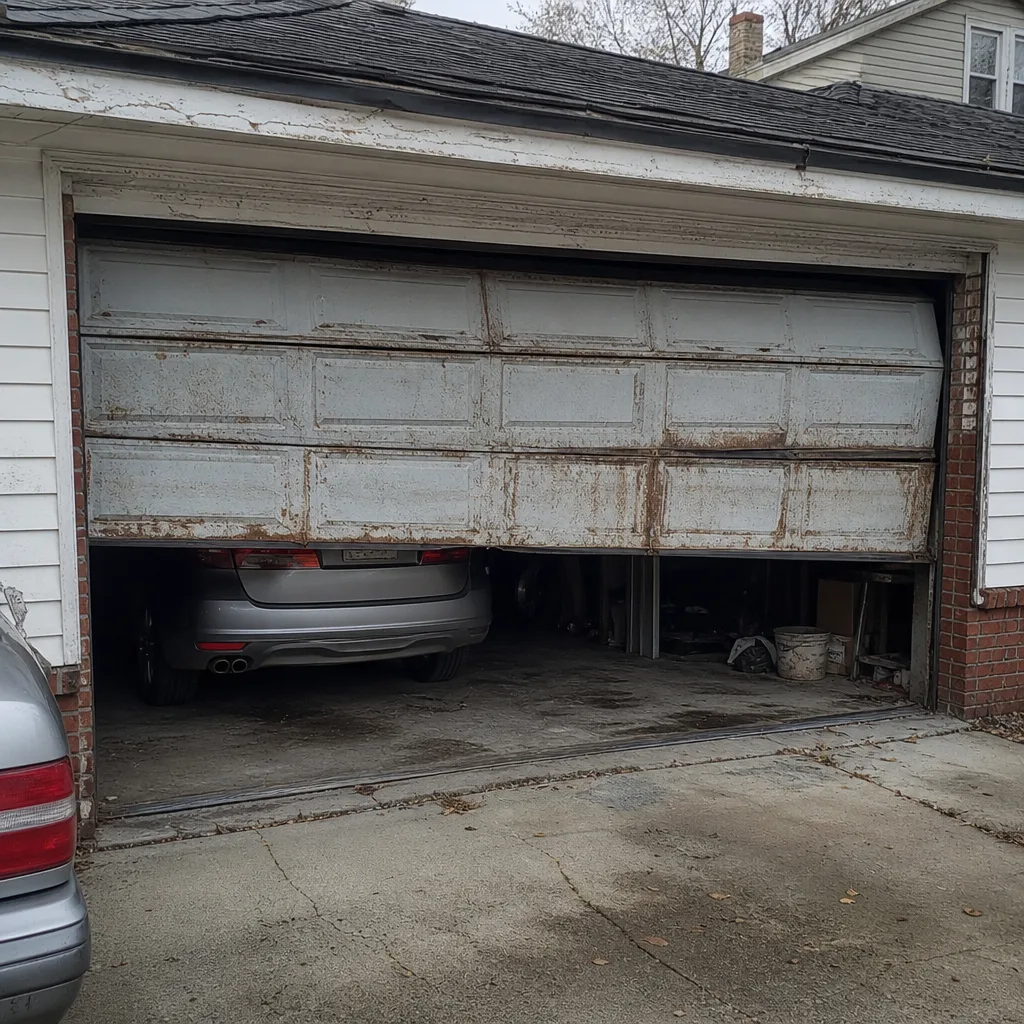 Before
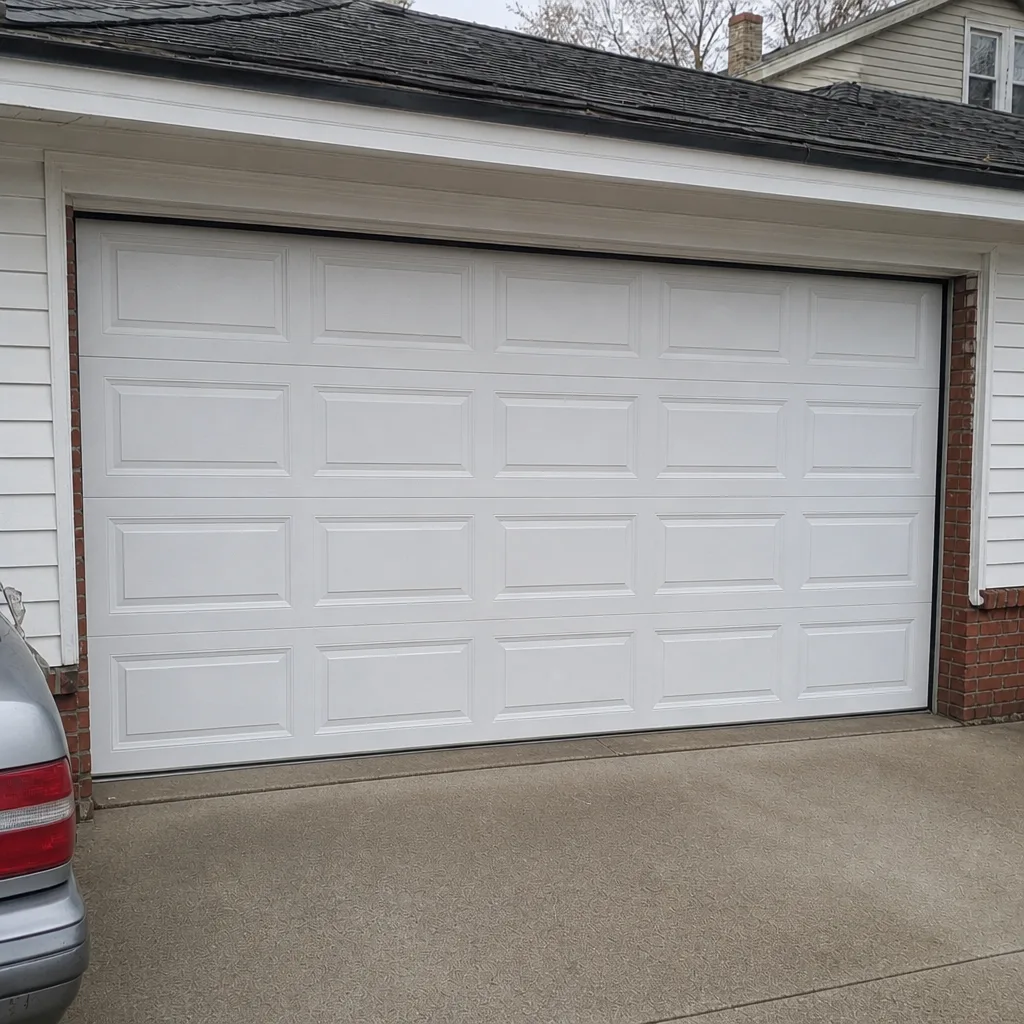 After
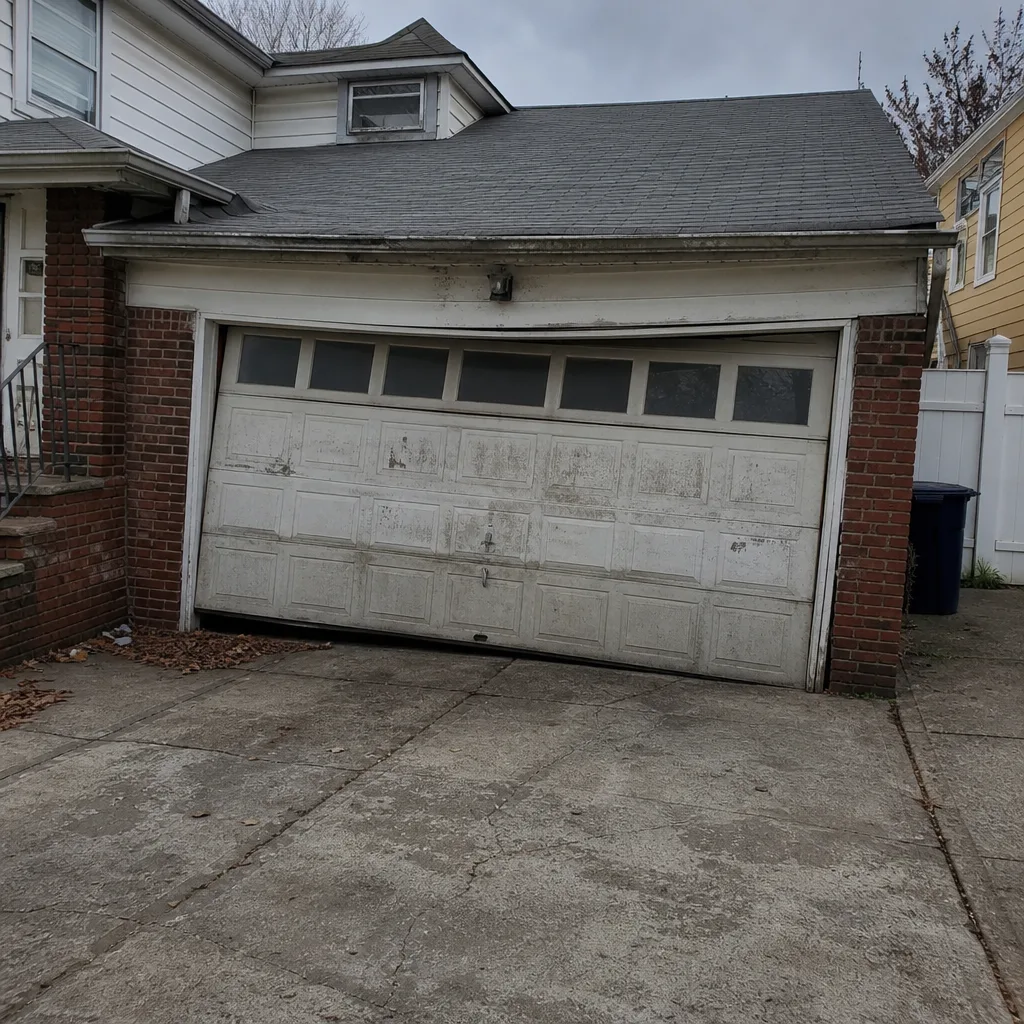 Before
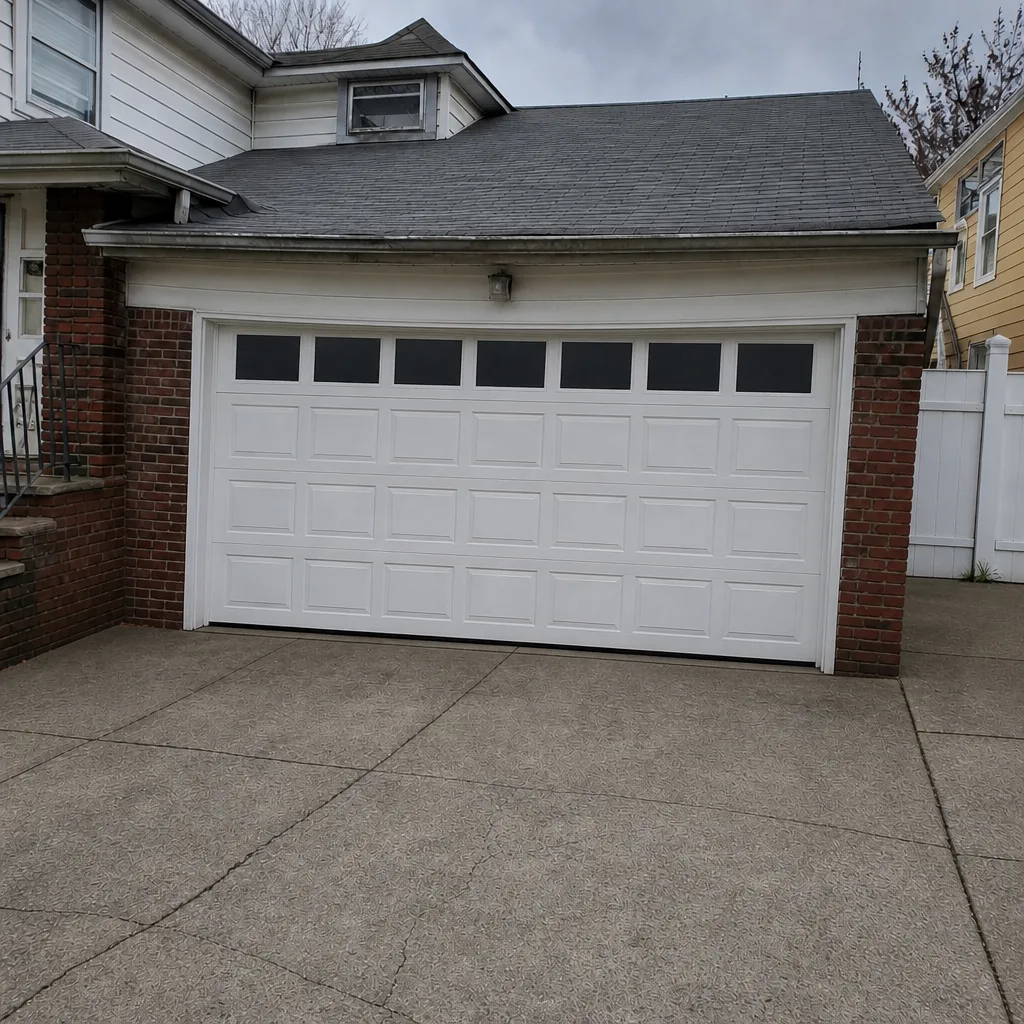 After
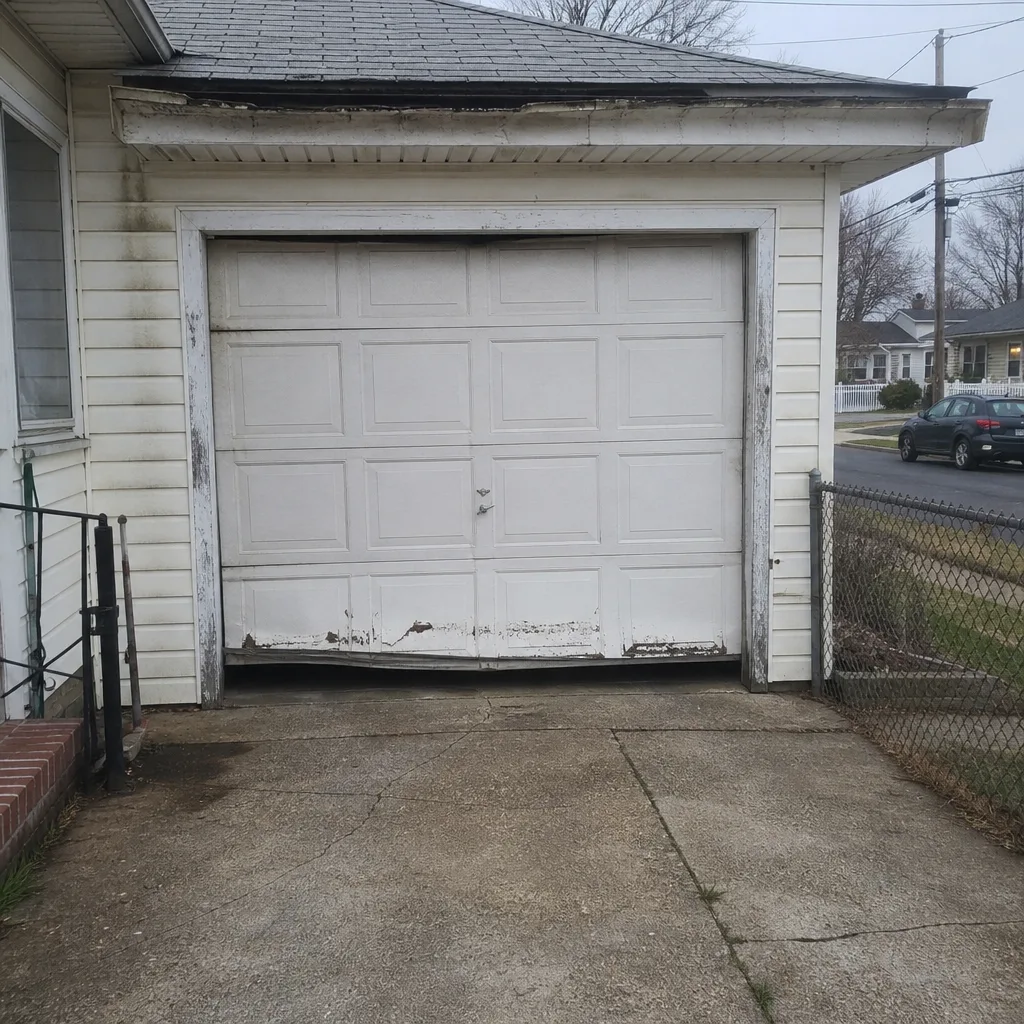 Before
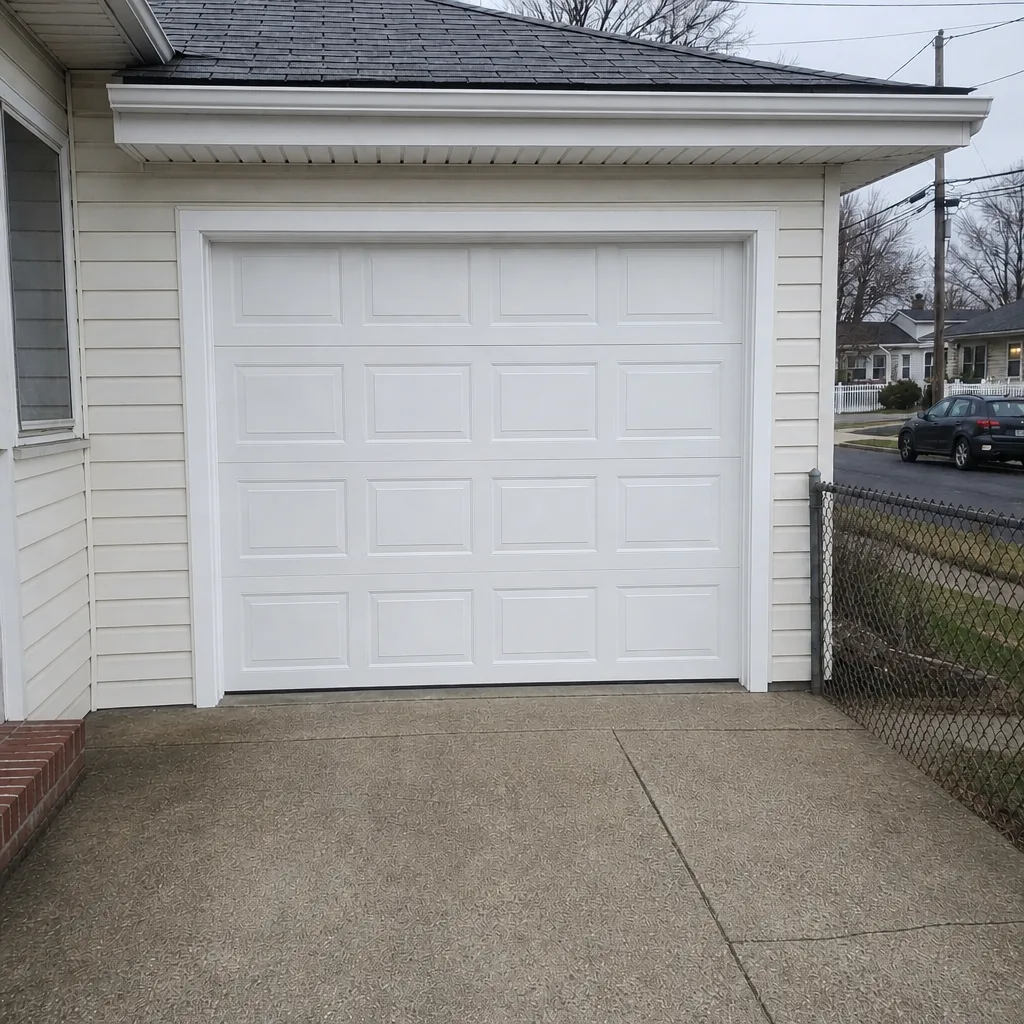 After
When to Call a Professional
Call a professional if any Tier 3 symptom shows up, or if a Tier 2 symptom has been getting worse for more than a couple of weeks. Springs, cables and opener logic are all things a trained technician should handle, and garage door springs in particular are under enough tension to seriously injure anyone who tries to work on them without the right tools and training. We also get called on plenty of Tier 1 items that turn out to be more than they looked like once we’ve seen them, so if you’re unsure, it’s fine to call.
Garage Door Repair Vailsburg offers free estimates in Vailsburg. Call (877) 331-4152. We answer 24/7. Fast dispatch from 7am to 7pm, Sunday through Friday.
Frequently Asked Questions
The first sign is usually a change in sound, most often grinding or a higher-pitched squeak, before any visible movement problem shows up. Homeowners tend to notice it on a quiet morning when the door hasn’t been lubricated in a while. Catching it at that stage is what turns a small job into a small bill.
No. Grinding is a Tier 2 symptom, meaning it should be scheduled within two weeks, not treated as an emergency. It usually comes from worn rollers or dry hinges, and the door will keep working while you wait for an appointment. That said, if the grinding is accompanied by a shriek or a visible cable issue, treat it as urgent.
Reversing is almost never a sensor problem. It usually means the springs have weakened and the door is heavier than the opener expects, so the opener’s travel logic reads the extra drag as an obstruction. The fix is spring balance, not a new opener and not repeated sensor adjustments.
No. A crooked door is a Tier 3 symptom and should be parked until a technician looks at it. Uneven tension, a jumped cable or a bent track can send the door off its rails, and the risk gets worse with every cycle. Call (877) 331-4152 and describe what you see.
Yes. Detached and converted garages often sit on frames that have settled, and the rough opening is rarely standard. Symptoms that look like door problems, like one-side gaps, binding, or panels that bow, are frequently frame problems. A technician who checks the frame as well as the door will catch them the first time.
It depends on what’s being fixed and which parts are involved; springs cost more than rollers or hinges, and a cable replacement is a different job again. We give a written estimate before any work starts, so you know the price and can agree to it before we touch the door. Call (877) 331-4152 for an exact quote – estimates are free.
Yes. The local professional who performs the work is licensed and insured as New Jersey requires, and our technicians have up to 8 years of experience. We’re factory-familiar with eight of the most widely installed brands, including LiftMaster, Chamberlain, Genie, Clopay, Amarr, Wayne Dalton, Craftsman and Raynor, so we can diagnose brand-specific issues on the first visit. Call (877) 331-4152 to book.
The Bottom Line
Every major garage door failure gives you warning first. A grinding door, a slow door, a door that hangs slightly crooked, a cable that looks slack: these are all messages. Sort them into the three tiers and you’ll know when to watch, when to book and when to stop using the door. In Vailsburg, older detached and converted garages add one more thing to check: the frame. If symptoms are confusing or you’re not sure where the problem is, our team at Garage Door Repair Vailsburg handles repair, spring work, openers and installation under one roof, so you’re never handed off to a second company. Call (877) 331-4152 for a free estimate. We answer 24/7. Fast dispatch from 7am to 7pm, Sunday through Friday.
Written by the team at Garage Door Repair Vailsburg.