
Last updated November 21, 2026
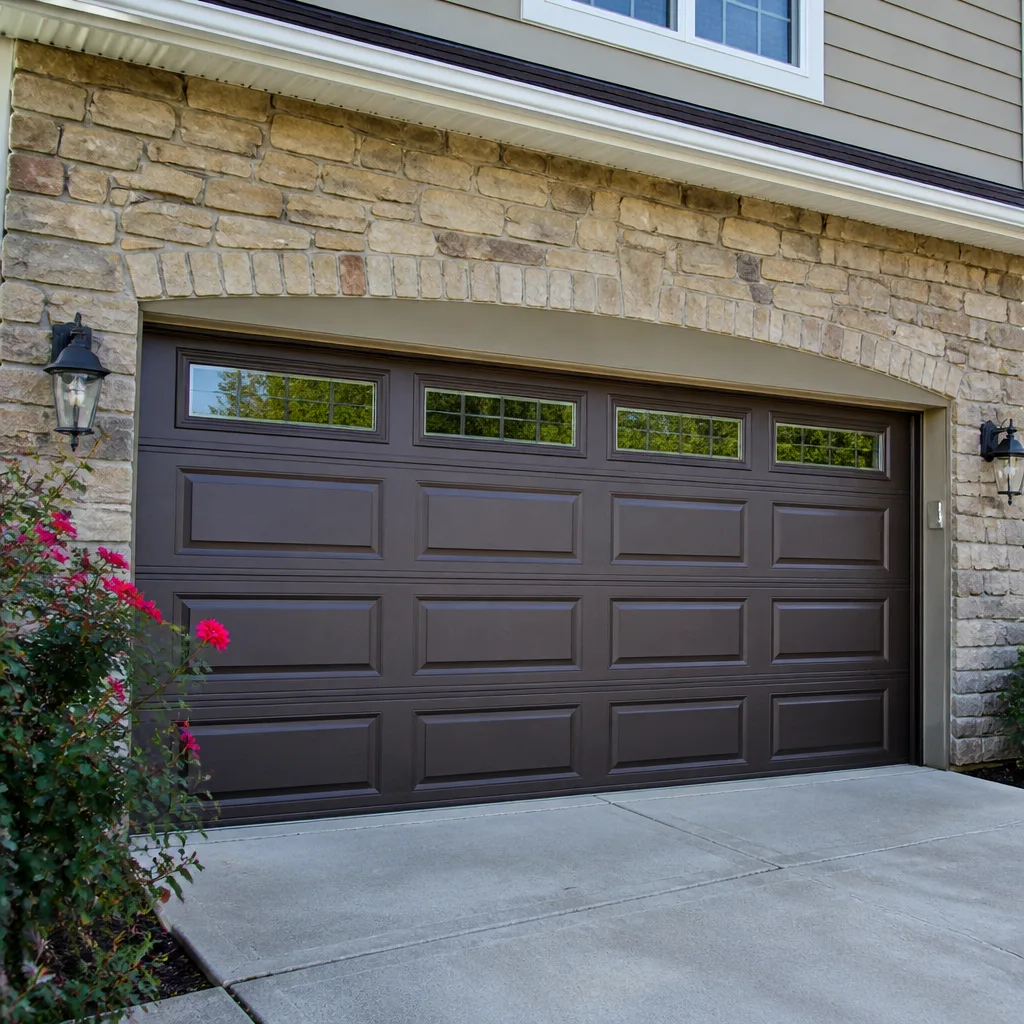 Raised-panel steel
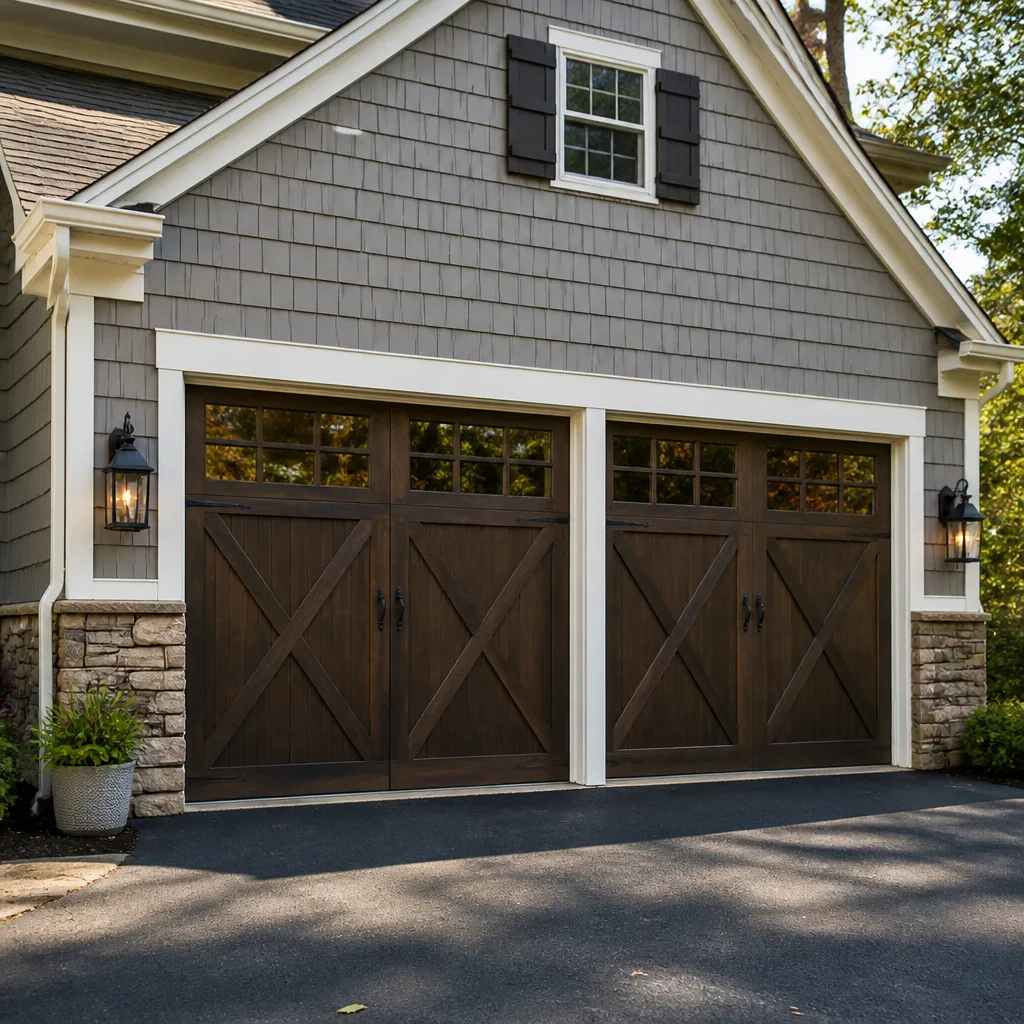 Carriage house
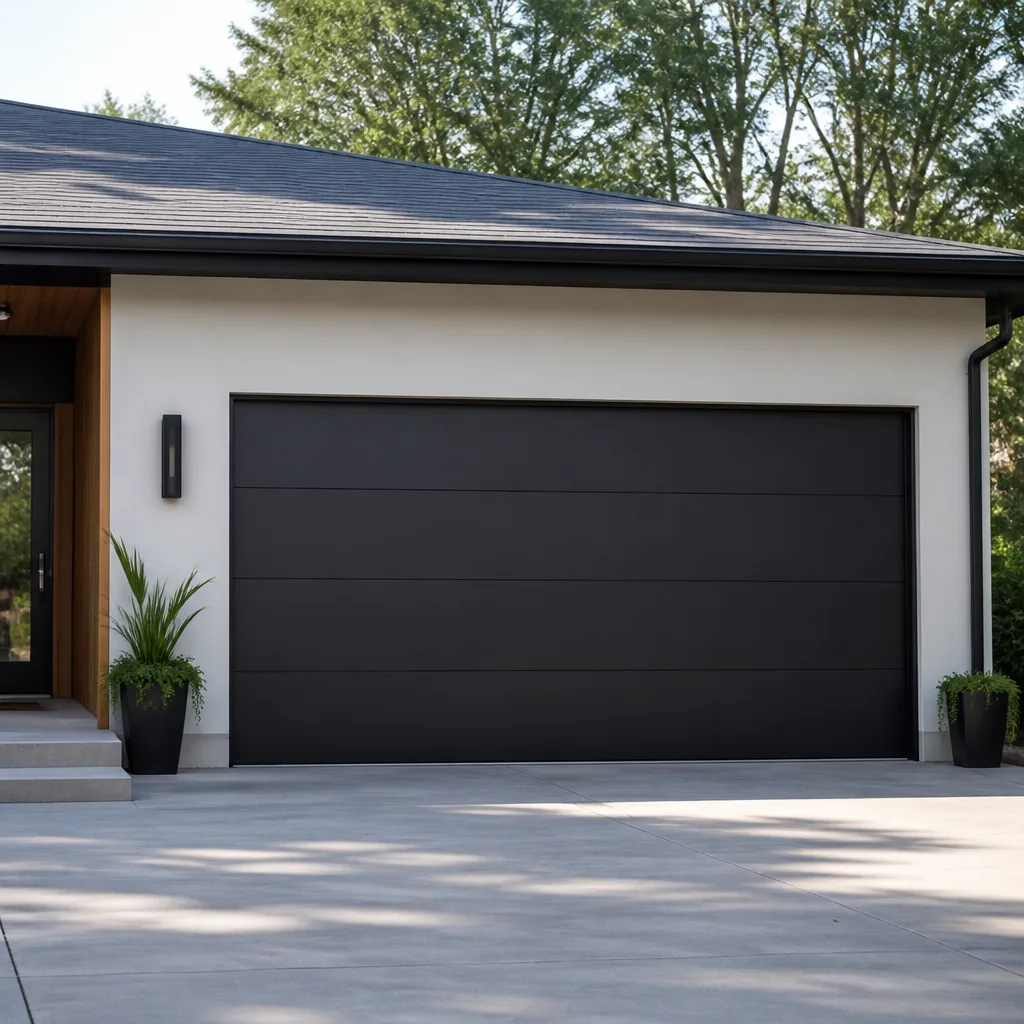 Modern flush
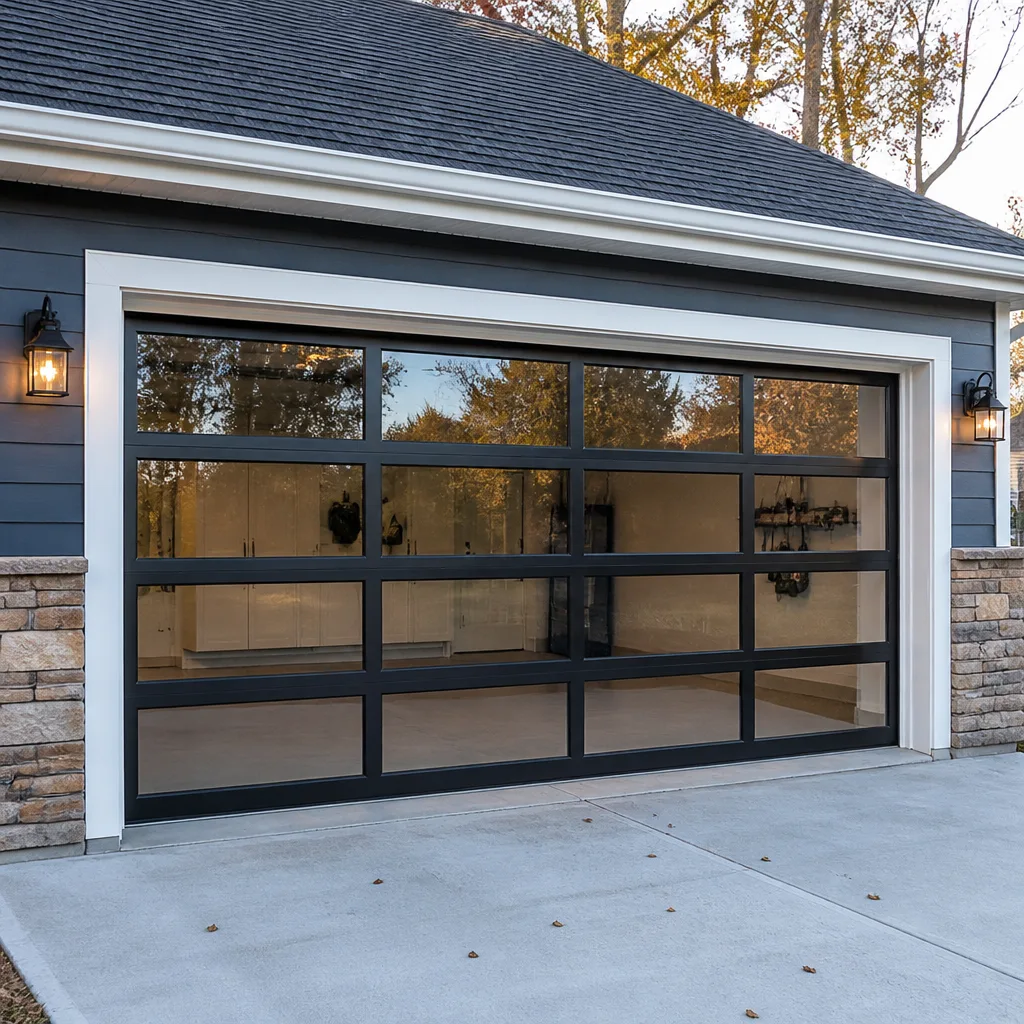 Full-view glass
 LiftMaster openers
 Chamberlain openers
Full 25-point door and opener safety check with every visit - springs, cables, rollers, tracks, and your LiftMaster or Chamberlain opener included
You get a price before we start. It does not change when the pro arrives.
Get your free estimateSeasonal Garage Door Care for Vailsburg: Year-Round Homeowner’s Guide
The garage door problem most Vailsburg homeowners blame on winter cold usually started in October, when lubrication dried out and nobody noticed until January’s first hard freeze locked the rollers solid. Cold gets the blame because it delivers the symptom. The cause is a season of quiet neglect. Vailsburg sits in a part of New Jersey where summers run humid and winters swing above and below freezing for weeks at a time. That thaw-refreeze rhythm works on metal, rubber, wood and concrete in ways a generic “oil your door once a year” checklist never addresses. This guide walks through what each season does to your door and opener, what to check, and when to stop poking at it and call someone.
Quick Answer
Seasonal garage door care in Vailsburg means inspecting weatherstripping and checking spring tension in fall, watching the bottom seal and tracks through freeze-thaw winter, checking cables and track alignment once frost leaves the ground in spring, and clearing humidity-related sensor drift in summer. Most developing problems show up in a 60-second visual check you can do every month, and annual professional service catches the rest before a repair becomes a replacement.
Styles & brands we work with
- Raised-panel steel
- Carriage house
- Modern flush
- Full-view glass
- LiftMaster openers
- Chamberlain openers
Table of Contents
- Why Fall Is the Most Important Season for Your Vailsburg Garage Door
- What Winter Freeze-Thaw Does to Your Door, Seal and Tracks
- Road Salt, Cables and the Hidden Winter Cost in Older Garages
- Spring: Two Post-Winter Checks That Prevent Summer Failures
- Summer Humidity, Wood Panels and the Sensor Problem That Looks Electrical
- The 60-Second Visual Check That Catches Most Developing Problems
- Opener Settings That Need Attention as Seasons Change
- What Annual Professional Service Covers in Vailsburg
Why Fall Is the Most Important Season for Your Vailsburg Garage Door
Fall is the prep window, not the shutdown window. The work you do in October and November determines whether the first hard freeze in Vailsburg becomes an inconvenience or a service call. Metal contracts in the cold, and a door that felt correctly balanced at 75 degrees can bind and strain its opener at 25. Rubber seals that flex easily in September go stiff by December. Everything on a garage door that fails in January was already weakening in October.
Weatherstripping inspection comes first
Look at the weatherstripping along both sides and across the top of the door frame. Run your thumb along it. If it crumbles, leaves black marks on your hand, or has pulled away from the frame, it won’t seal worth anything once the cold sets in. A failed perimeter seal lets cold air, moisture and small pests straight into the garage, and it lets heat escape from the room above. Inspect the bottom seal separately; that’s the one that meets the concrete.
Check spring tension before the cold arrives
A door should lift with one hand and stay about halfway open with no help. If it slams down or needs a real shove, the spring tension needs adjustment. We handle spring work ourselves because springs are the most dangerous part of any garage door – the torsion spring at the top of the door stores serious energy, and a cable under tension can cause injury. This isn’t a homeowner project. What you can do is test the door’s balance by hand and note whether it feels heavier than it used to.
Adjust opener force before door weight changes
The opener has a force setting that tells it how much push to apply. Lubricated rollers in October let the opener work easily. By January, stiff grease and contracted metal mean the door resists more, and the opener either strains against it or trips its safety reversal. Have the force setting checked as part of fall prep, before the door weight changes and the opener starts behaving badly. On Wi-Fi-enabled openers from LiftMaster and Chamberlain, this is also a good time to confirm the app still reports the door state correctly.
Lubricate the moving parts
White lithium grease or a silicone spray on the rollers, hinges, and the torsion bar bearings makes a real difference. Skip the tracks themselves unless a manufacturer’s door calls for it; dry tracks collect grit. This single step is the difference between a door that opens smoothly in February and one that sounds like it’s grinding gravel.
What Winter Freeze-Thaw Does to Your Door, Seal and Tracks
Vailsburg winters don’t stay cold. They cycle. A driveway puddle freezes overnight, melts by afternoon, and refreezes that night. That cycle repeats dozens of times a season, and it does more damage to a garage door than a steady deep freeze would. Three places take the brunt: the bottom seal, the track alignment, and the connection between the concrete slab and the door frame.
The bottom seal and adhesion
Your bottom seal presses against the concrete every time the door closes. When the slab is cold and wet, then frozen, then wet again, the seal’s adhesive or retainer tubes take a beating. Look for gaps at the corners, a seal that’s pulled loose, or daylight showing under the closed door. A seal that’s failed in February lets snowmelt and grit in, and water on a garage floor finds every crack.
Metal track alignment
Garage door tracks are steel, and steel moves with temperature. The vertical tracks are anchored to wood or concrete that also moves as frost forms and retreats. A track that ends up slightly out of plumb puts side pressure on the rollers, which then wear unevenly. Watch for a door that rubs on one side going up, or rollers that pop out of the track. Never try to straighten a bent track with a hammer; you’ll kink it and it will never run right.
Frost heave and older concrete slabs
Older Vailsburg homes often have garage slabs poured decades ago, with the door frame anchored directly into that slab. When the ground heaves under a cracked slab, the door frame shifts slightly and the door no longer meets the floor evenly. You’ll see a gap at one corner, or the door won’t sit flush. This is a structural issue to note and have checked, not something to fix with a shim. Write down what you see and when you see it; the pattern matters.
If the door won’t move in the cold
A door that won’t open in freezing weather could be frozen to its seal, an opener that’s tripped its force limit, or a spring problem. Don’t force it. We answer 24/7, and fast dispatch runs from 7am to 7pm, Sunday through Friday. A call outside dispatch hours gets booked into the next opening.
Road Salt, Cables and the Hidden Winter Cost in Older Garages
Every winter, road salt comes into Vailsburg garages on tires, boots and sleds, and it does exactly what salt does anywhere: it eats metal. The difference here is that the metal it eats is thin, load-bearing, and expensive to replace. Your door’s lift cables are steel strands a fraction of an inch thick, running down the sides of the door and around pulleys. Salt accelerates corrosion on those strands, and a cable that was fine in November can be frayed by March.
- Watch the cables: Look for frayed strands, rust spots, or a cable that’s sagging on one side. A frayed cable is a failing cable, and it needs professional replacement rather than a wait-and-see.
- Watch the bottom brackets: The metal brackets at the bottom corners of the door hold the cables under load. Salt spray from wet tires reaches them easily when the car pulls in.
- Watch the hinges: Hinge plates and their pins corrode quietly. Squeaking that starts in January and gets worse is often hinge corrosion, not just cold.
- Hose down the floor: A simple rinse of the garage floor after a big snowstorm or two moves salt off the concrete before it begins its work on the metal above.
Salt corrosion is one reason cables are part of the spring inspection. If the springs need service, the cables are the next thing we look at. Both sit in the same high-tension zone, and both are handled only by a trained technician.
Spring: Two Post-Winter Checks That Prevent Summer Failures
Spring in Vailsburg is the audit season. Winter stress leaves its marks in two specific places, and both checks take about two minutes each. Ignore them and the problem shows up in July when you least want the door stuck.
Check one: cable fraying from cold stress
Look closely at both lift cables where they run down the side of the door. You’re looking for broken strands, a fuzzy look, rust pitting, or uneven tension between left and right. Any of these means the cable has been stressed by the winter cycles and needs replacement. A snapped cable under a loaded spring is genuinely dangerous; it can whip and cause serious injury. Get a technician on it. This is the single most important post-winter check in Vailsburg’s climate.
Check two: track misalignment from frost heave
Open the door halfway and sight along the vertical tracks on both sides. Put a level on them if you have one. The tracks should be plumb and parallel. If one is leaning or bent from frost heave under an older slab, the door will run unevenly all summer, and the rollers will wear on one side. Track work also means re-aligning the brackets, which is more involved than it looks – don’t try to muscle it with hand tools.
A quick post-winter sequence
- Test balance: Disconnect the opener, lift the door by hand, and let go halfway up. It should hold.
- Look at the cables on both sides of the door for fraying or rust.
- Sight the tracks: are they straight and parallel? Any lean or bend?
- Check the bottom seal for gaps or a seal that’s pulled loose over the winter.
- Lubricate rollers, hinges, and the torsion bar bearings while everything’s open.
- Test the safety sensors by breaking the beam; the door should reverse.
If any check comes back wrong, that’s when a Technician takes over. Our technicians have up to 8 years of experience with spring, cable and track work, and they diagnose on the first visit.
Summer Humidity, Wood Panels and the Sensor Problem That Looks Electrical
Summer in Vailsburg brings humidity, and humidity does its damage slowly and quietly. Two of the most common summer complaints are wood panel doors that swell and stick, and safety sensors that behave erratically. Both have humidity as their root cause, though only one feels like it.
Wood and composite panel doors
A wood panel door swells along the seams in humid weather. The panels expand slightly, the seams open and close, and if water has ever seeped into a seam, the wood can take on moisture and warp. Look for panel seams that are wider now than they were in spring, and look along the bottom edges for peeling paint or dark wood. Clopay and Amarr wood and carriage-style doors are worth an annual look in this climate for exactly that reason. A door that’s started to swell in one spot can usually be caught early with a repaint and seal.
Swollen weatherstripping and sensor misalignment
Safety sensors sit low on the door frame, aimed at each other across the opening. In humid weather, rubber weatherstripping swells and can push into the sensor beam or nudge the frame-mounted bracket out of alignment. The symptom is an opener that won’t close the door, or one that reverses partway down. Homeowners assume it’s an opener problem, buy a new opener motor, or call for opener repair – and it’s actually a swollen seal bumping a sensor. If the door reverses on its own in summer, check the bottom corners for weatherstripping the sensor is trying to see past.
Roller and hinge lubrication in summer heat
Cheap grease thins in July heat, and dry rollers are noisy rollers. If your door is louder in August than it was in May, lubrication is the first suspect. A silicone spray on the hinges and rollers quiets it without attracting grit the way grease can.
The 60-Second Visual Check That Catches Most Developing Problems
You don’t need to know how to rebuild a garage door. You need to know what a door looks and sounds like when it’s healthy, and then notice when it changes. This check takes about a minute and, in our experience, catches most developing problems before they turn into service calls.
- Eye: Stand in front of the closed door. Look at the springs. Look at the cables on both sides. Look at the bottom seal. See any rust, fraying, sagging, or gaps?
- Ear: Open and close the door. It should sound smooth and even. Listen for squeaks at a specific roller, a thump at one end of the track, grinding in the opener motor, or a rattle that wasn’t there before.
- Hand: With the door disconnected from the opener, lift it by hand. It should feel light and stay where you leave it. Note if it’s heavy at the bottom or top.
Run this check once a month. Sit down once a quarter with a calendar and note anything that’s changed – the new squeak, the slightly heavier pull, the door that took two tries to close last week. Vailsburg’s seasons change what’s normal month to month, so a pattern of small changes tells you more than any single observation.
What the sounds mean
- Grinding at the top: opener motor or the torsion tube bearings.
- Squeaking at a hinge: hinge corrosion or dry lubrication; usually simple.
- Popping at a roller: the roller is binding in the track, often an alignment issue.
- Thumping at one end of the track: something is hitting the track where it shouldn’t – usually a bent section or a slipped roller.
- A loud bang from the top of the door: a torsion spring has snapped. Stop using the door and call us.
If you’d rather have a professional run through it, we’re happy to do the walk-through with you. That’s what garage door repair means to us – diagnosing before it fails, not after.
Opener Settings That Need Attention as Seasons Change
Your opener’s settings were set for a specific door weight and a specific set of conditions. As those conditions change through the year, the opener needs adjustment more often than most homeowners realize. Three settings matter most in Vailsburg’s climate.
Force limit
This tells the opener how hard it can push before giving up. In winter, when door resistance increases, a too-tight force limit makes the opener trip mid-cycle. Too loose, and it could push against an obstacle without reversing. Adjust the force once in fall and once in spring. That’s a professional adjustment because it directly controls a safety feature.
Travel limits
These control where the door stops in the up and down positions. A door settling on a heaving slab in winter can end up hitting the floor slightly harder than it did in autumn. The travel limit needs adjusting to match. You’ll notice a door that hits the floor with an extra thump, or one that doesn’t quite close all the way.
Opener brand matters
Genie, LiftMaster, Chamberlain, Craftsman, Wayne Dalton and Raynor openers all handle force and travel limits differently. Legacy Craftsman units use mechanical limit screws that a technician adjusts by hand. Current Wi-Fi LiftMaster and Chamberlain units set limits digitally through the app or a panel sequence. We’re familiar with all of them and diagnose brand-specific quirks faster than a generalist handyman. For more on opener-specific repairs, see garage door opener repair.
When a new opener is the answer
If your opener is a legacy unit and it’s been adjusted several times through the season for every season, the settings have run out of room. At that point, replacing the opener is the cheaper fix over the next few years. We install or repair either way, and we’ll give you the honest comparison.
What Annual Professional Service Covers in Vailsburg
A professional seasonal service visit isn’t a cleaning. It’s a set of adjustments and inspections that specifically address what Vailsburg’s weather did to your door over the past year. Here’s what we cover in a typical service call:
- Spring tension measurement: the springs are measured against the door’s current weight and adjusted or replaced if they’re out of tolerance.
- Cable inspection: full inspection of both lift cables, bottom brackets, and attachment points for corrosion and fraying.
- Track alignment: plumb, parallel, and roller condition on each side.
- Roller and hinge service: lubrication, replacement of worn rollers, and replacement of corroded hinges.
- Bottom seal and perimeter weatherstripping: condition check and replacement when needed.
- Opener settings: force and travel limit adjustment, plus a full safety reversal test, including the photo-eye safety system.
- Balance test: the door’s mechanical balance is verified end to end.
If your door needs more than a service call – a full panel replacement or a new door – we can quote that at the same visit. Our garage door installation service covers everything from measurements to final adjustment. One company, every part of the door, and no hand-off to a second contractor.
Common Mistakes to Avoid
- Assuming the cold caused it. If the door was already stiff in October, the cold just finished the job. The cause was already there before the freeze.
- Greasing the tracks. Grease on a garage door track collects grit and makes the rollers slide instead of roll. It’s a common internet tip that quietly wrecks track performance. Lubricate the rollers and hinges, not the tracks.
- Adjusting the springs yourself. This is the most dangerous mistake on the list. A torsion spring stores enough energy to break a bone or worse. Leave it to a technician every time.
- Forcing a frozen door open. Yanking on a door frozen to its seal can snap a cable or crack a panel. If it won’t budge, wait or call.
- Ignoring the bottom seal because it’s “under” the door. It’s the first line of defense against snowmelt, and it’s the first part to fail in Vailsburg winters.
- Buying a new opener when the real problem is a sensor or a seal. A door that reverses unexpectedly in summer is often a swollen seal, not a dying opener. Diagnose before you replace.
- Waiting for the squeak to become a scrape. Garage doors don’t fail silently; they give you a whole season of warnings. Make a note when the sound changes.
See the difference
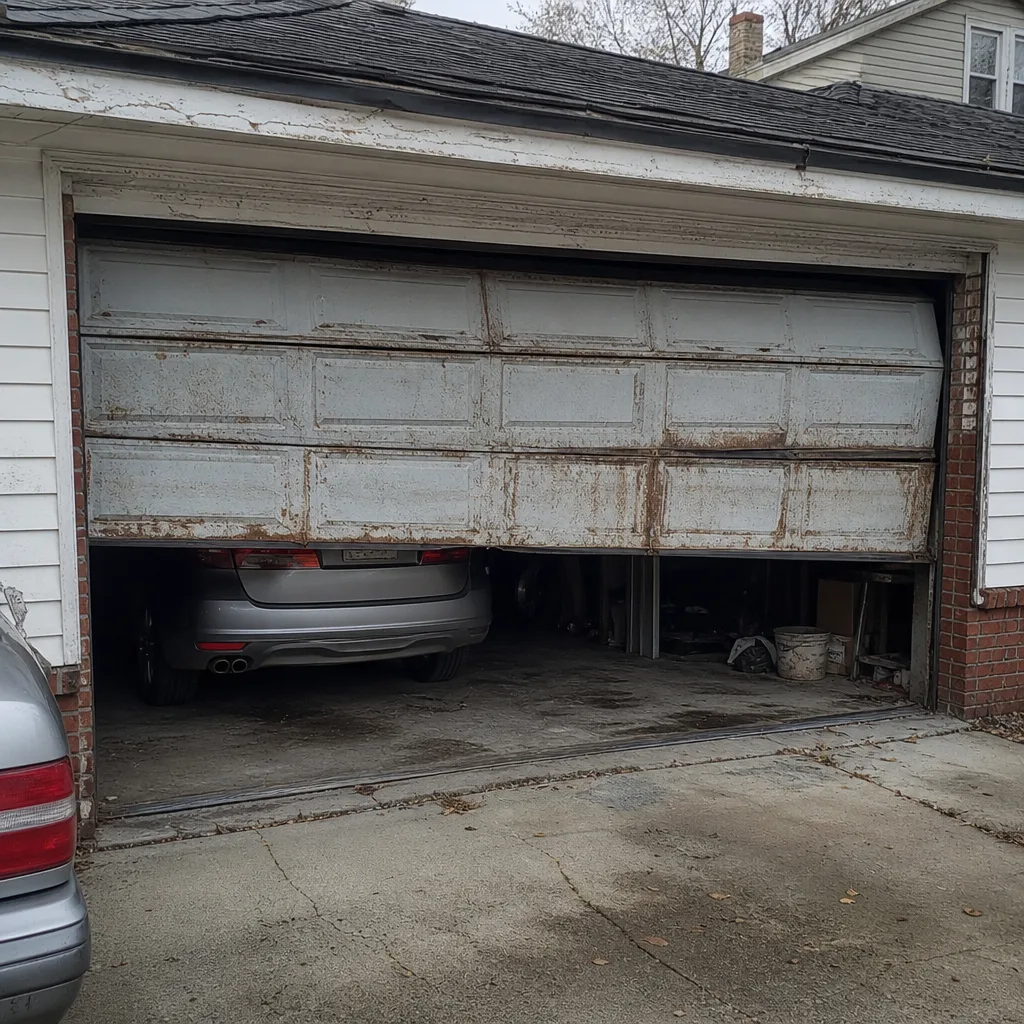 Before
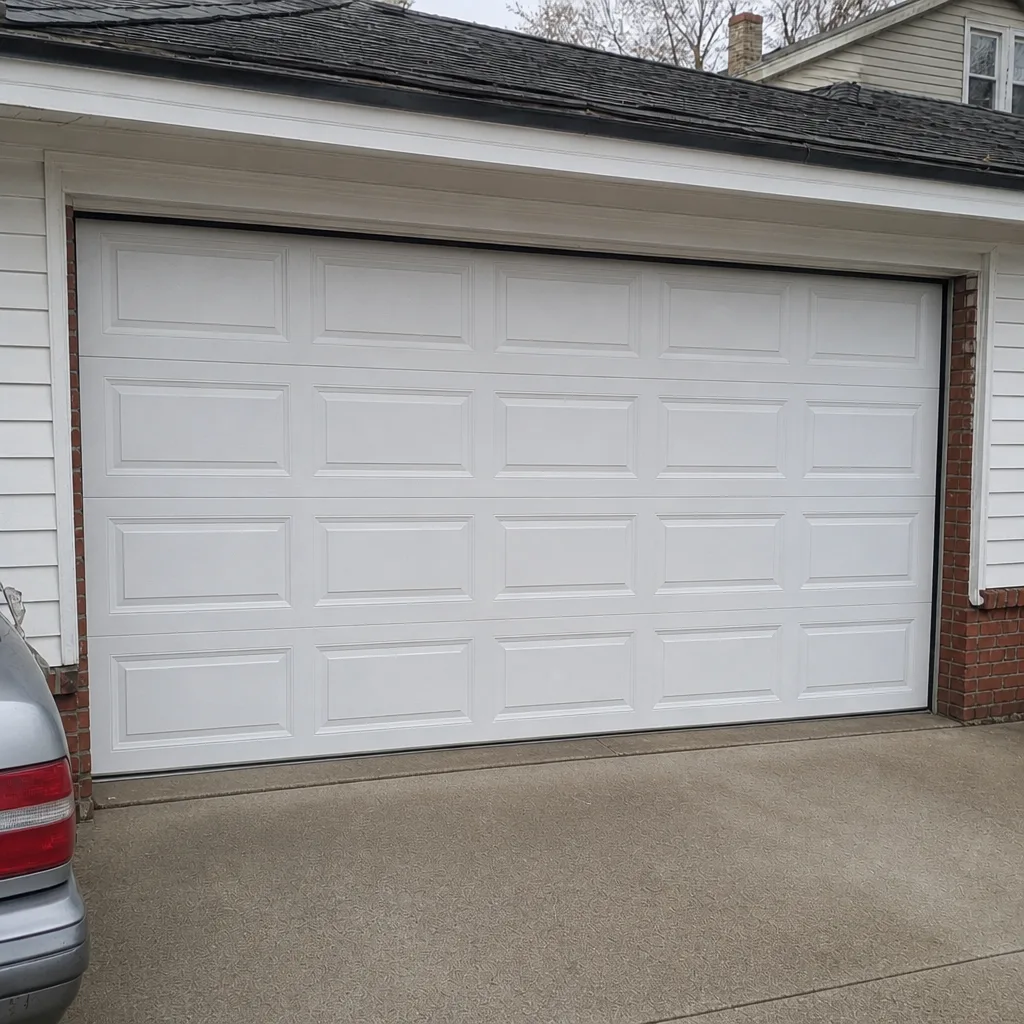 After
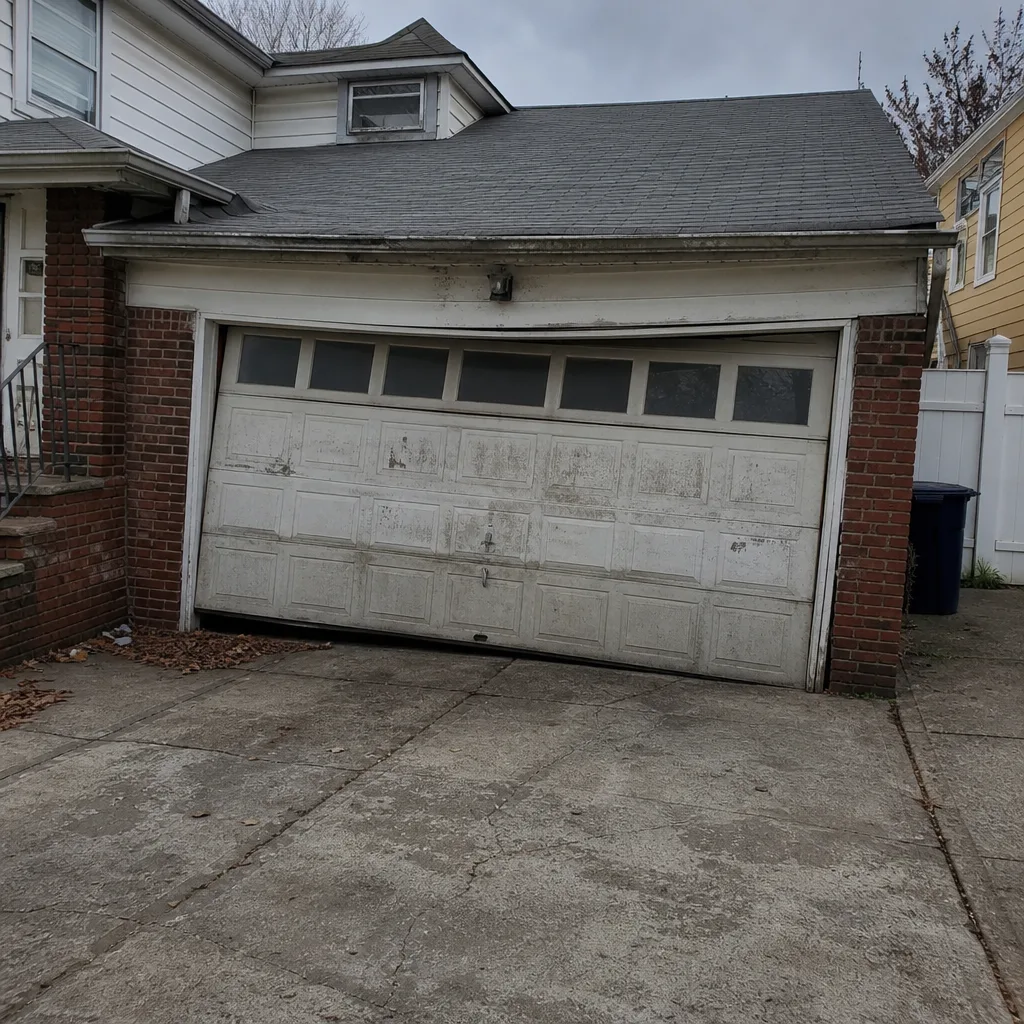 Before
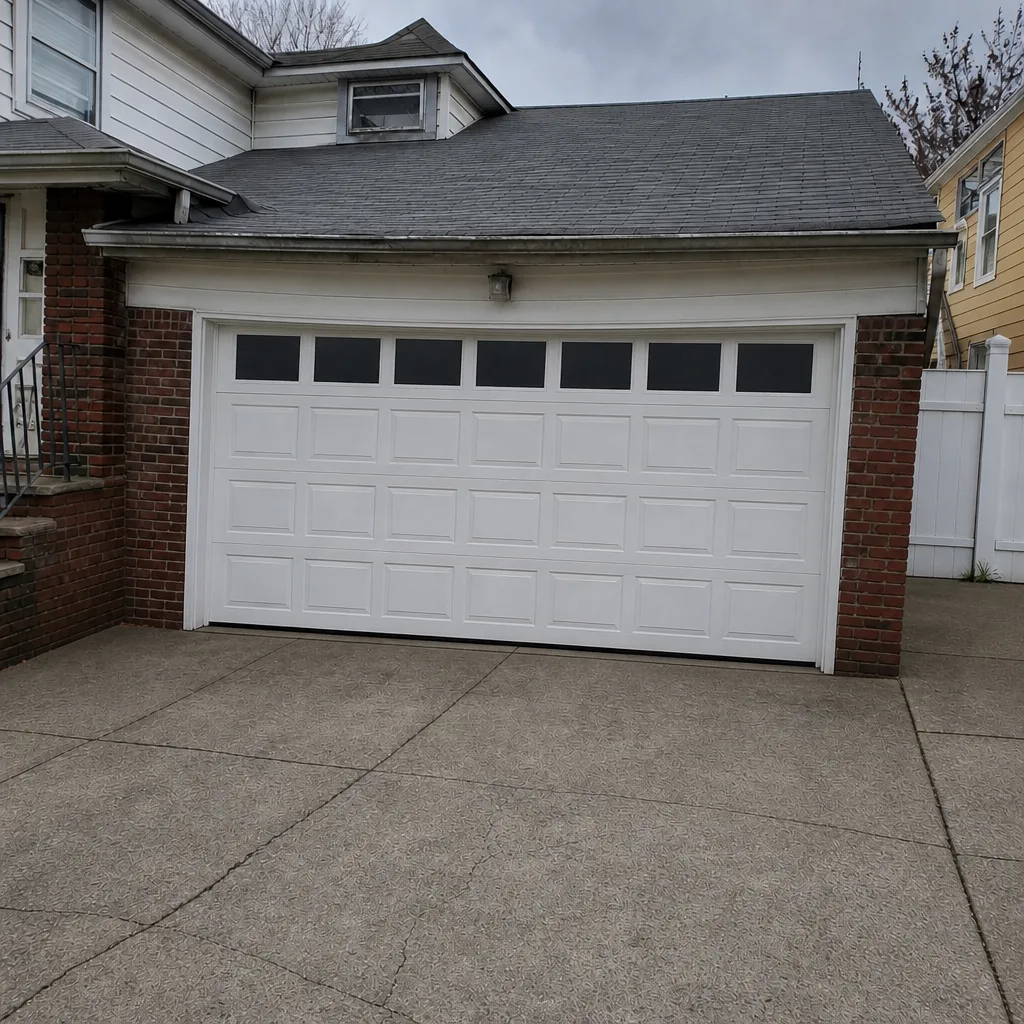 After
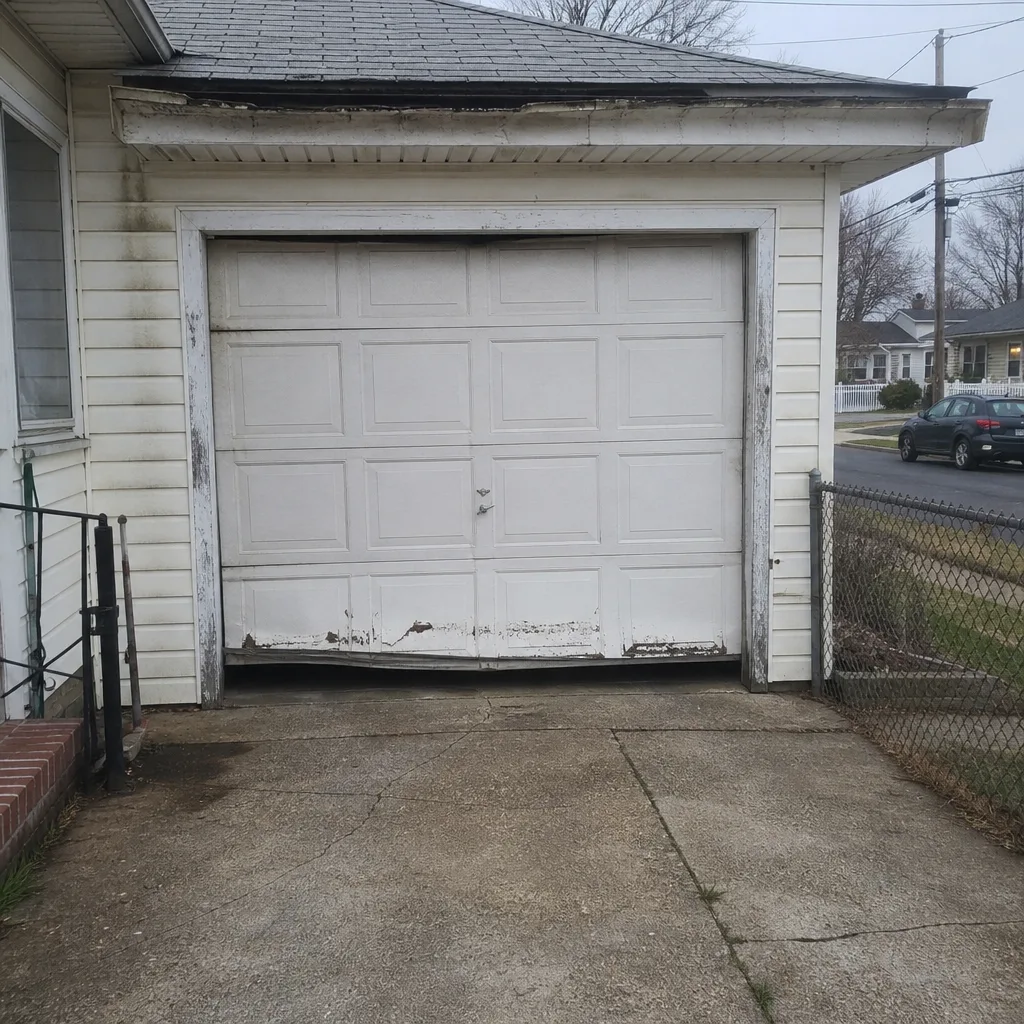 Before
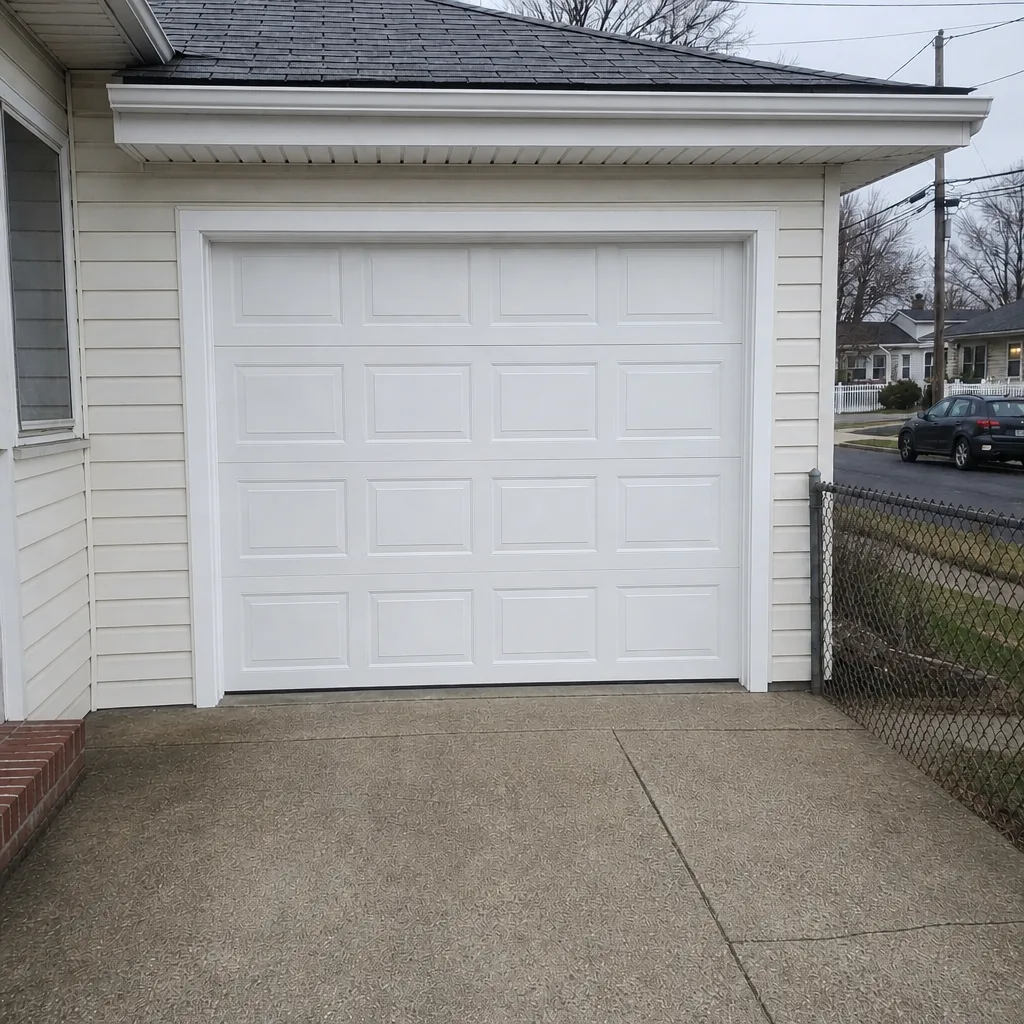 After
When to Call a Professional
Some seasonal care is homeowner territory: lubrication, visual checks, clearing the floor after storms, and noting what’s changed. Other situations need a trained technician every time. If a spring has snapped, stop using the door and call us. If a cable looks frayed, a track is bent, or the door won’t stay open by itself, those are service calls, not weekend projects. If the door has become a security concern because it won’t close, or a car is trapped in the garage, we offer emergency response for exactly that. Call us if the door reverses on its own in summer and you’ve already cleared the sensor area. Garage Door Repair Vailsburg offers free estimates in Vailsburg – call (877) 331-4152 to get a technician out and, if needed, get the written estimate before any work starts.
Frequently Asked Questions
Once a year is the minimum for a Vailsburg garage door, and the best time to schedule it is in fall before the cold sets in. That visit catches spring, cable, and opener issues before winter stress adds to them. If your door is older or you use it multiple times a day, twice a year is worth considering.
Same-day service is often available for repair, and we do offer emergency response for situations where the door is stuck open or a car is trapped. Call (877) 331-4152. We answer 24/7, and fast dispatch runs from 7am to 7pm, Sunday through Friday. A call outside dispatch hours gets booked into the next opening.
No. The price is quoted and agreed in writing before any work starts, and the estimate is free. If we find additional issues while we’re there, we’ll show you and re-quote before doing anything you didn’t approve. You’ll never get an invoice that doesn’t match the written estimate.
Yes. The local professional we connect you with is licensed and insured as New Jersey requires, and they’re trained specifically on garage door systems. That matters for spring and cable work, which is high-tension and genuinely dangerous if done wrong.
Cold thickens grease, contracts metal, and stiffens rubber, all at the same time. The noise is usually the sound of parts that need a fresh application of white lithium or silicone spray. If noise continues after lubrication, it’s time for a professional to look at rollers and tracks.
Yes. Fall is for weatherstripping, spring balance, and opener force adjustment. Winter is for seal, track and salt care. Spring is for cable and track inspection after the cold. Summer is for humidity-related wood swelling and sensor drift. Following the seasonal rhythm catches problems in the right window.
The Bottom Line
Vailsburg’s climate asks more of a garage door than most homeowners realize. Freeze-thaw cycles, humid summers, and salt from the road work on springs, cables, seals and tracks all year. The good news is the schedule is simple: check the door once a month, do a proper balance and lubrication pass each fall and spring, and get a technician in once a year for spring tension, cable condition, track alignment, and opener settings. If a spring snaps, a cable frays, or the door stops closing, that’s the moment to call rather than the moment to experiment. Free estimates, upfront pricing, and one company for every part of the door.
Call (877) 331-4152 for a free estimate on seasonal garage door service in Vailsburg. We answer 24/7. Fast dispatch from 7am to 7pm, Sunday through Friday.
Written by the team at Garage Door Repair Vailsburg.