
Last updated November 21, 2026
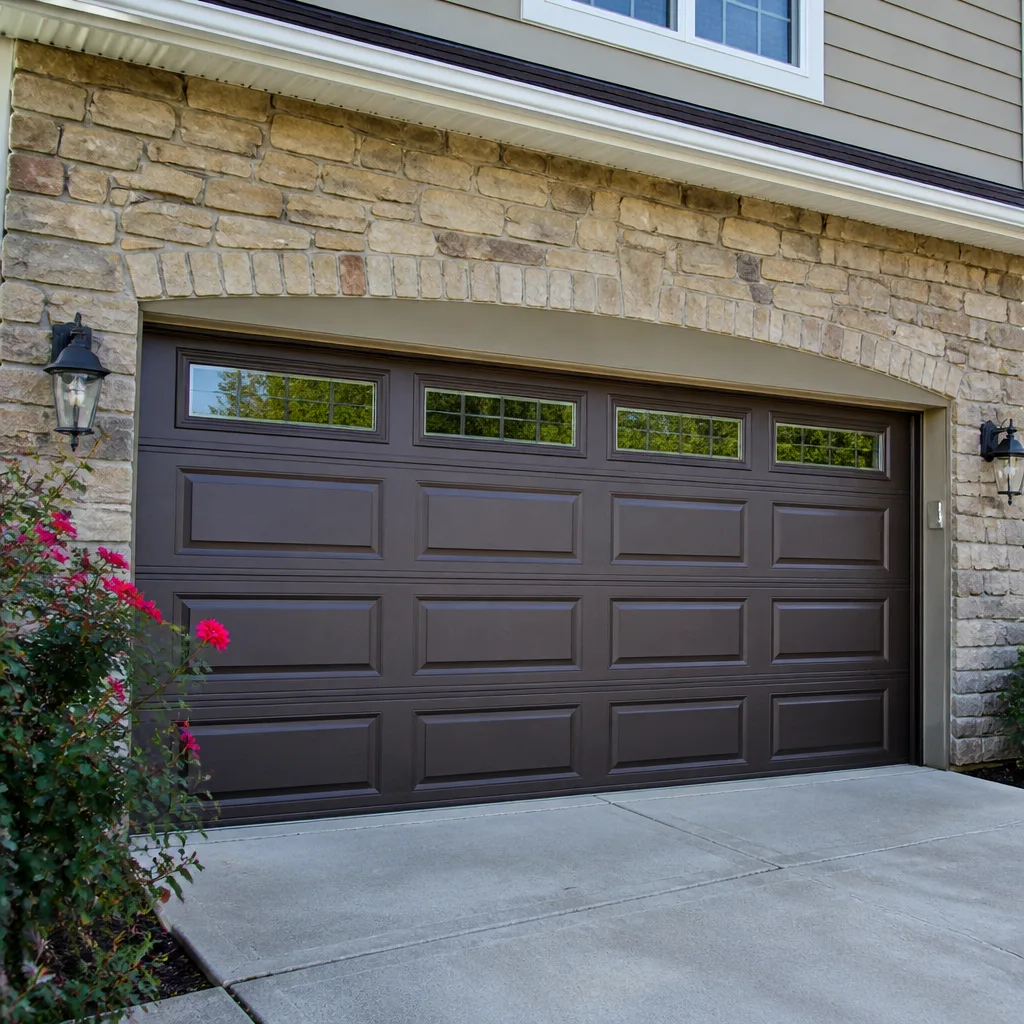 Raised-panel steel
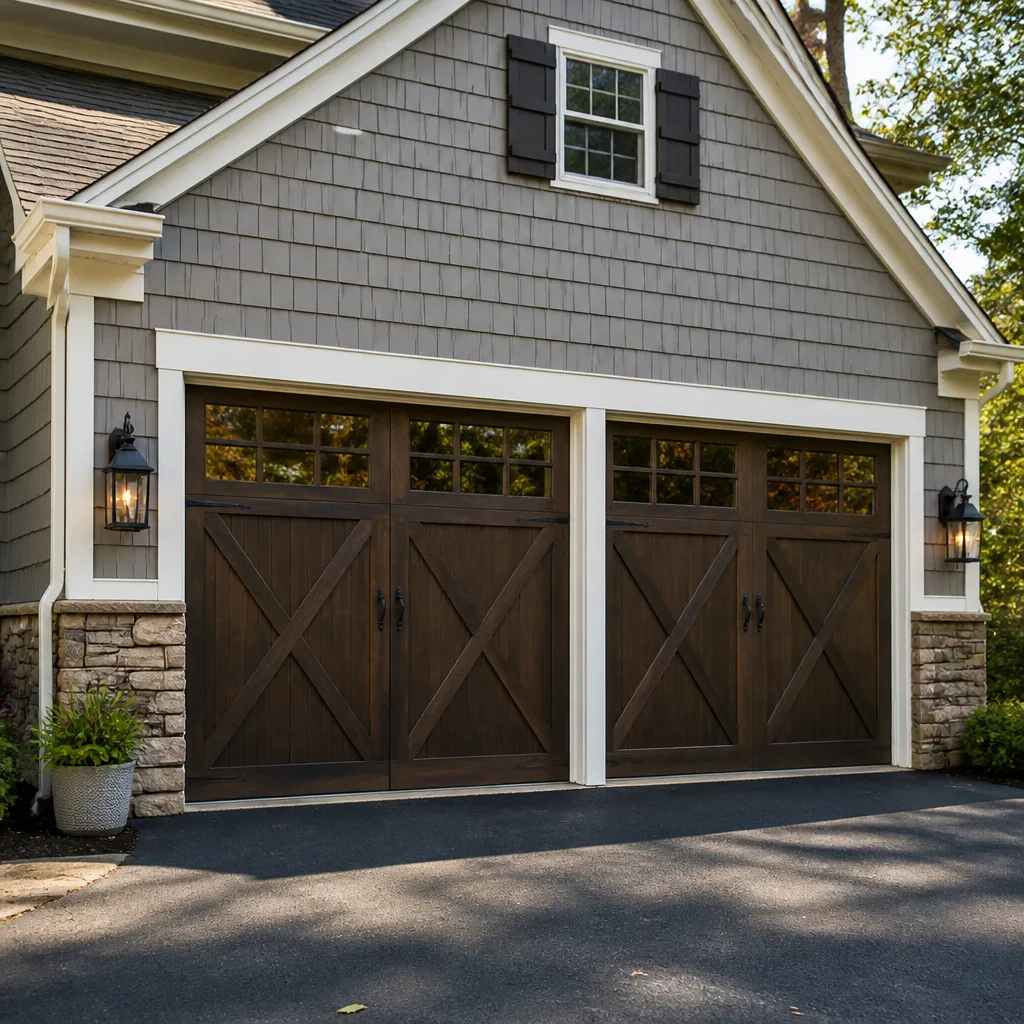 Carriage house
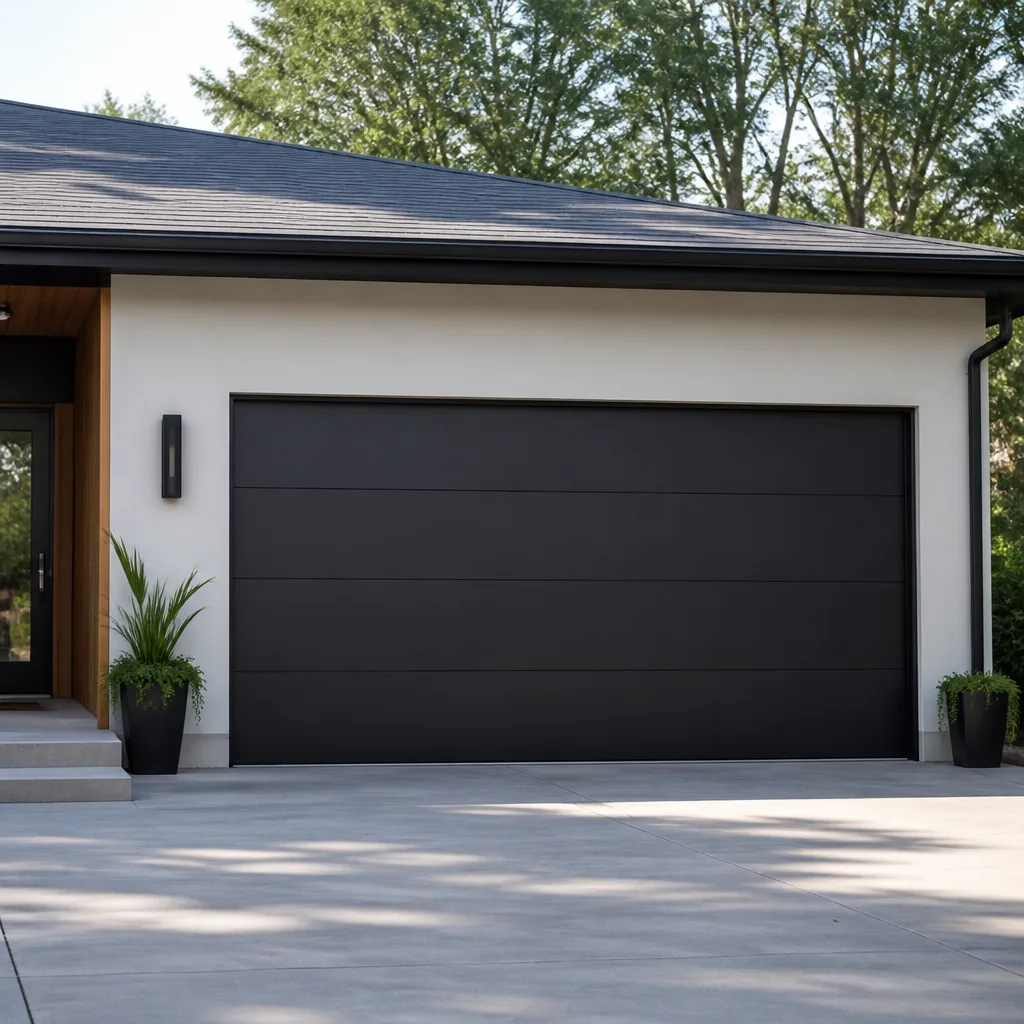 Modern flush
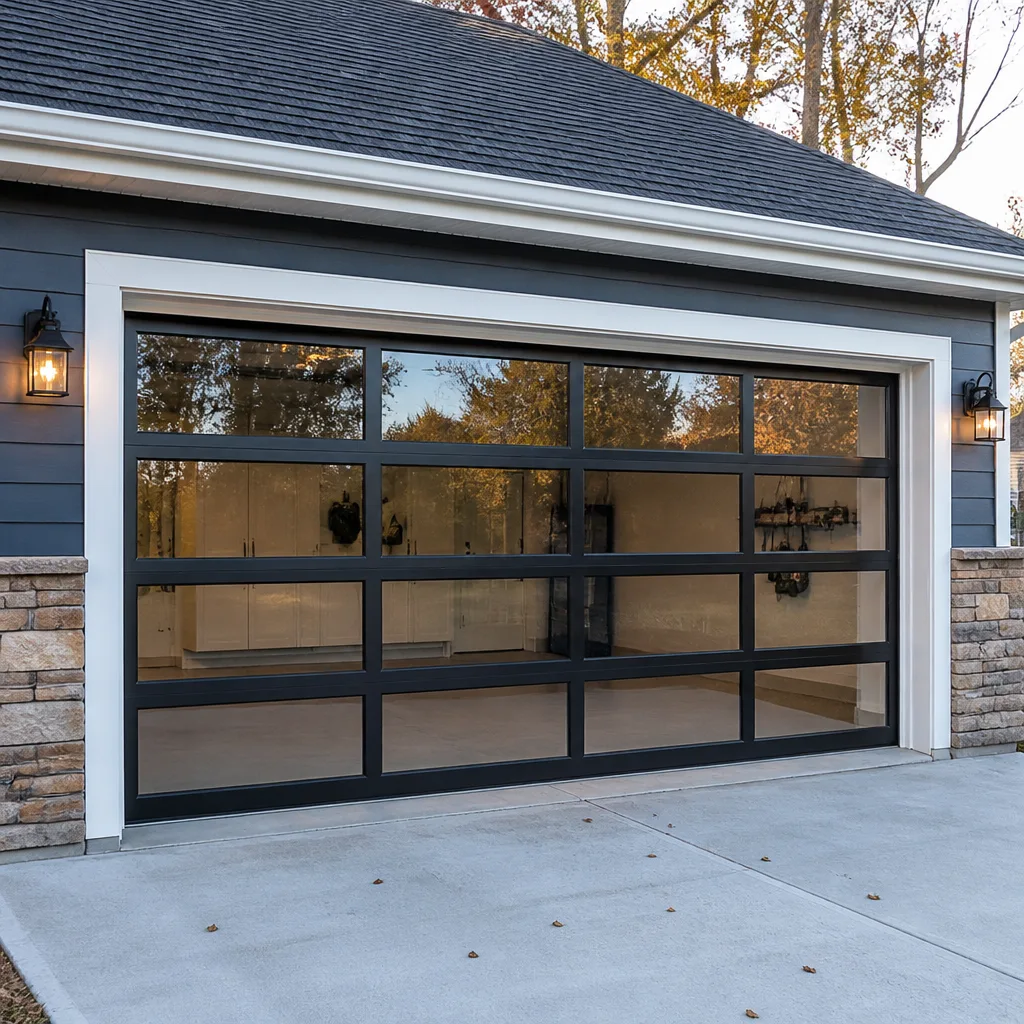 Full-view glass
 LiftMaster openers
 Chamberlain openers
Full 25-point door and opener safety check with every visit - springs, cables, rollers, tracks, and your LiftMaster or Chamberlain opener included
You get a price before we start. It does not change when the pro arrives.
Get your free estimateDIY vs Professional Garage Door: The Vailsburg Homeowner’s Decision Guide
Most homeowners assume the DIY-or-pro question comes down to skill. It doesn’t. Garage door springs hold somewhere in the range of 150 to 200 pounds of stored tension, and a technician releases that tension with winding bars built for the job. A homeowner who reaches for a screwdriver instead has ended up in the emergency room. The difference between those two outcomes isn’t years of practice. It’s tooling, and it’s knowing which tasks are safe to touch at all. This guide draws that line for Vailsburg homeowners: what you can genuinely handle yourself, what belongs to a professional no matter how handy you are, and how the math actually works out when you compare the two.
Quick Answer
You can safely handle weatherstripping, sensor cleaning, lubrication, and remote or keypad reprogramming yourself. You should never touch torsion springs, extension springs, cables, or track realignment under load; those are professional-only tasks regardless of skill. For everything in between, the honest math usually favors one professional visit in Vailsburg over DIY parts, a lost afternoon, and the risk of a second repair.
Styles & brands we work with
- Raised-panel steel
- Carriage house
- Modern flush
- Full-view glass
- LiftMaster openers
- Chamberlain openers
Table of Contents
- Where the DIY Line Actually Falls in Vailsburg
- Tasks That Are Genuinely DIY-Safe
- Professional-Only Tasks, No Exceptions
- The Real Cost Comparison: DIY vs One Professional Visit
- Why DIY Opener Installation Can Void Your Warranty
- What Vailsburg Homes With Older Openings Should Know First
- The Middle Ground: Prep and Cleanup Yourself, Pro for the Risky Steps
- When to Call a Professional
Where the DIY Line Actually Falls in Vailsburg
The useful way to sort garage door work is not by difficulty. It’s by consequence. Some jobs go wrong and cost you a little time. Others go wrong and cost you a finger, a door panel, or a car parked underneath. Sort your task list by consequence first and the decision usually makes itself.
Picture Vailsburg’s housing stock for a moment. Many homes here have older, non-standard garage openings with wooden frames that have settled over decades. That matters because a task that’s routine on a newer door can turn into a structural problem on a door frame that’s slightly out of square. A track that’s a quarter inch off plumb on a modern steel door might be a minor adjustment. On a fifty-year-old wooden jamb, it can mean the whole opening needs to be re-shimmed before anything tracks correctly.
Here’s the three-tier split we use when talking with homeowners:
- Tier 1 – Safe for most homeowners: weatherstripping replacement, photo-eye cleaning, hinge and roller lubrication, remote and keypad programming, visual inspections.
- Tier 2 – Situational, worth a professional call: roller replacement, bottom seal adjustment, opener logic board troubleshooting, minor panel straightening.
- Tier 3 – Professional-only, no exceptions: torsion spring replacement, extension spring replacement, cable replacement, track realignment under load, opener installation on a new door.
Most of the confusion we hear from Vailsburg homeowners comes from watching a video where someone replaces a roller or swaps a bottom seal and assuming the same confidence applies to springs. It doesn’t. The tools, the stored energy, and the injury profile are completely different. Get a professional’s opinion on which tier your task falls into before you buy a single part.
Tasks That Are Genuinely DIY-Safe
A handful of garage door jobs are simple, low-risk, and reasonable to do yourself. Weatherstripping along the bottom and sides of the door is the classic example. It wears out, you can see the gaps, and replacing it means peeling off the old strip and pressing a new one into the retainer. No stored tension, no moving door under load. The same goes for photo-eye sensors: if your door reverses for no clear reason, wipe off the lenses on both sensors and check that nothing is blocking the invisible beam across the opening.
Lubrication is another one worth doing yourself. A light spray of white lithium grease on the hinges, springs, and bearing plates quiets a squeaky door and slows wear. Use it sparingly; too much attracts grit. Rollers and the opener rail take a silicone-based lubricant rather than grease. A five-minute pass twice a year is genuinely good maintenance.
Remote and keypad programming is also fair game. Reprogramming a LiftMaster or Chamberlain remote, or resetting a Genie keypad, is a matter of following the pairing sequence in the manual and pressing a learn button at the right moment. It’s fiddly but not dangerous. If your opener has a Wi-Fi module and you’re trying to get it on the home network, that’s a software problem, not a mechanical one, and calling a pro for it is overkill.
Two rules apply to everything in this tier. First, never touch a part you can’t identify. Second, if the door is behaving in a way that suggests a mechanical fault, a grinding, a snap, or a lopsided movement, stop and look at the door as a system rather than a part. That’s usually the point where a free estimate saves you more than it costs.
Professional-Only Tasks, No Exceptions
Torsion springs and extension springs are the most dangerous parts of any garage door, and a trained professional should handle them without exception. This isn’t a warning padded around skill level. There is no amount of preparation, no number of tutorial videos, and no perfectly memorized procedure that makes spring work safe for someone without the right tooling and training. The tension stored in a wound torsion spring is enough to break bones or worse if it releases while you’re in the path.
Cable replacement is in the same category. The cables are under constant tension and work together with the springs. Replacing one on a spring that’s still wound can cause an injury or a door to crash. Track realignment looks like it should be easy, and sometimes a small adjustment on an unloaded door is genuinely fine. But most realignments require a technician to relieve the spring tension first, which puts the task straight back into the spring category.
Opener installation on a new door, or replacing an opener on an existing door, is often treated as a Tier 2 job. It isn’t, when done right. A LiftMaster or Chamberlain opener has to be mounted on a reinforced header, the rail has to be level, and the safety reverse has to be set against the actual weight of the door. A misadjusted opener can crush a pet or a child. That’s a professional-only setup.
Here’s the practical version for Vailsburg homeowners: spring replacement is a dedicated service at our company, not a side item. We handle torsion and extension springs with winding bars and proper door blocking because that’s the only way to make the job safe. If your door has a snapped spring, don’t try to lift the door by hand to inspect underneath it. Call for garage door repair and let a technician handle the first assessment.
The Real Cost Comparison: DIY vs One Professional Visit
Honest DIY math is rarely as cheap as it looks. Take a spring replacement, a task you should not attempt yourself under any circumstance, but one that people still price out. The replacement springs might cost $40 to $80 at a retail supplier. Add a pair of proper winding bars, and you’re in for another $25 to $40. Add the risk of a single mishap that lands you in a clinic or damages a door panel, and the “cheap” option stops being cheap.
A professional spring job in the Vailsburg market typically runs $180 to $340 for a single spring. A matched pair, which is what most doors are built with and what a technician will recommend replacing together, runs about double that range, so roughly $360 to $680 for the pair. That price includes the springs, the labor, the safety check on the door balance, and the peace of mind that the job was done correctly. Because we’re working in a densely built part of Essex County, most of that math is a one-visit job rather than two.
Here’s how the line items shake out side by side:
- Weatherstripping: DIY $15 to $30 in parts; professional install typically $100 to $200 including the strip.
- Sensor cleaning: DIY free; a professional visit typically $75 to $150 if there’s a wiring or alignment fault.
- Roller replacement: DIY $20 to $40 in parts; professional typically $125 to $250 for a full set.
- Cable replacement: professional only, typically $150 to $300 per side.
- Torsion spring (single): professional only, typically $180 to $340.
- Torsion spring (matched pair): professional only, typically $360 to $680.
- Opener replacement (installed): typically $350 to $800 depending on the unit and door weight.
Notice that the DIY savings shrink once you account for the second trip. A DIY roller swap that misses a bent track can turn into a professional callback. A DIY weatherstripping job that leaves a gap can turn into a water intrusion problem. And a DIY spring attempt is, quite simply, a bad idea. The real comparison isn’t parts versus labor. It’s one clean professional visit versus the parts cost plus a second repair call plus the risk. Call (877) 331-4152 for an exact quote on any line above; estimates are free and the written price is set before any work starts. If you want the full picture on the brand side, we work on LiftMaster, Chamberlain, Genie, and Clopay equipment every week, so the shop talking you through the math knows your specific unit.
Why DIY Opener Installation Can Void Your Warranty
Garage door opener warranties usually rest on the assumption that the unit was installed according to the manufacturer’s instructions by a qualified person. A DIY installation that misses a step, like failing to reinforce the header or setting the force limits wrong, can leave you with a warranty claim the manufacturer declines at exactly the moment you need it. That matters most in year five or six, which is roughly when opener motors and logic boards start showing their first real problems.
Most homeowners don’t think about the warranty until the motor fails. By then the installer’s work history has already been written. A properly installed opener from a company familiar with the unit’s brand sits on the other side of that conversation. We work on LiftMaster and Chamberlain smart openers as well as older Craftsman units, and the diagnosis is faster when the technician recognizes the specific quirks of that model line. A generalist handyman may install the opener correctly by the manual and still miss a rail alignment issue that only shows up a year later as a stripped gear or a slipping chain.
If you already have an opener acting up, don’t assume you need a new one. Many “dead” openers have a photo-eye fault, a stripped gear, or a travel-limit setting that drifted. That’s exactly what garage door opener repair is for, and a repair is usually a fraction of a replacement. Keep the warranty intact, keep the diagnosis accurate, and know what you’re dealing with before you buy.
What Vailsburg Homes With Older Openings Should Know First
Vailsburg has plenty of homes where the garage opening doesn’t match a current standard size, and that changes the DIY calculation. A door built for a fifty-year-old wooden frame might be three inches narrower than a modern eight-foot door, or the header might be mounted at a height that no current opener spec accounts for. Before attempting any structural adjustment, measure everything: the width of the opening, the height of the opening, the headroom above the door, and the depth of the side clearance on both sides. Write the numbers down. Then compare those to the door and opener spec sheets.
Wooden frames are the second thing to check. Older Vailsburg garages often have wood jambs that have absorbed decades of moisture and settled out of square. A small adjustment that works on a steel frame can split a dry rotted jamb. The fix isn’t always a new frame; sometimes it’s a shim or a bracket repositioned to match the actual frame. But that’s a judgment call a technician makes on the ground.
Here’s the ordered checklist we suggest for any older Vailsburg garage before you start anything:
- Measure the opening’s exact width and height at three points (left, center, right) and write down the smallest number.
- Note the headroom above the opening’s highest point, because low headroom changes which opener type works.
- Photograph the current spring arrangement, the cable run, and the opener mount before you touch anything.
- Look for visible rot, splitting, or hardware that’s rusted through. Any of those is a stop-and-call event.
- Record the exact brand and model numbers on the door, the springs, and the opener.
If a new door is on the table, this is where proper measurement matters most. A new door has to fit the opening you actually have, not the opening you wish you had. If you’re considering a replacement rather than a repair, that’s the moment for garage door installation to be handled by a team that measures before it orders. We always schedule a free measure and put the price in writing before any door goes out to production.
The Middle Ground: Prep and Cleanup Yourself, Pro for the Risky Steps
You don’t have to hand over the whole job. Many Vailsburg homeowners take the middle path: do the prep work and cleanup themselves, and call a professional for the two or three steps that actually require training. That keeps the cost down, keeps the timeline moving, and still ends with a door that works and a person who isn’t in a cast.
Good prep work includes clearing the garage floor, moving vehicles out of the path, and photographing the door’s current condition before any work starts. If the door is stuck open, park outside the garage. If you’re replacing a bottom seal, put the new seal out and let it flatten in the garage for a day. None of that requires touching a wound spring. The prep is real work, and it shortens the technician’s on-site time. The cleanup is the same idea in reverse.
What the professional handles: spring tension release, spring or cable replacement, track alignment, opener installation, force and reverse-limit tuning, and the post-job balance check. That’s the dangerous 20 percent that no YouTube video prepares you for. In our experience, most of the cost of a professional spring replacement is the safety engineering, not the spring itself.
The middle path works especially well when the door is working and something else is wrong. A noisy door, a remote that won’t pair, a light that won’t turn on with the opener, a photo-eye that trips every afternoon in the sun, all of those are one-visit diagnoses. If you’ve done the prep, the technician can usually diagnose and repair in the same visit. That same-visit model is how we like to work; call (877) 331-4152 and we’ll find the right appointment. We answer 24/7, with fast dispatch from 7am to 7pm, Sunday through Friday. If a door fails and it’s not a tomorrow problem, our Garage Door Repair Vailsburg team handles emergency response so a vehicle isn’t trapped and a home isn’t left unsecured.
See the difference
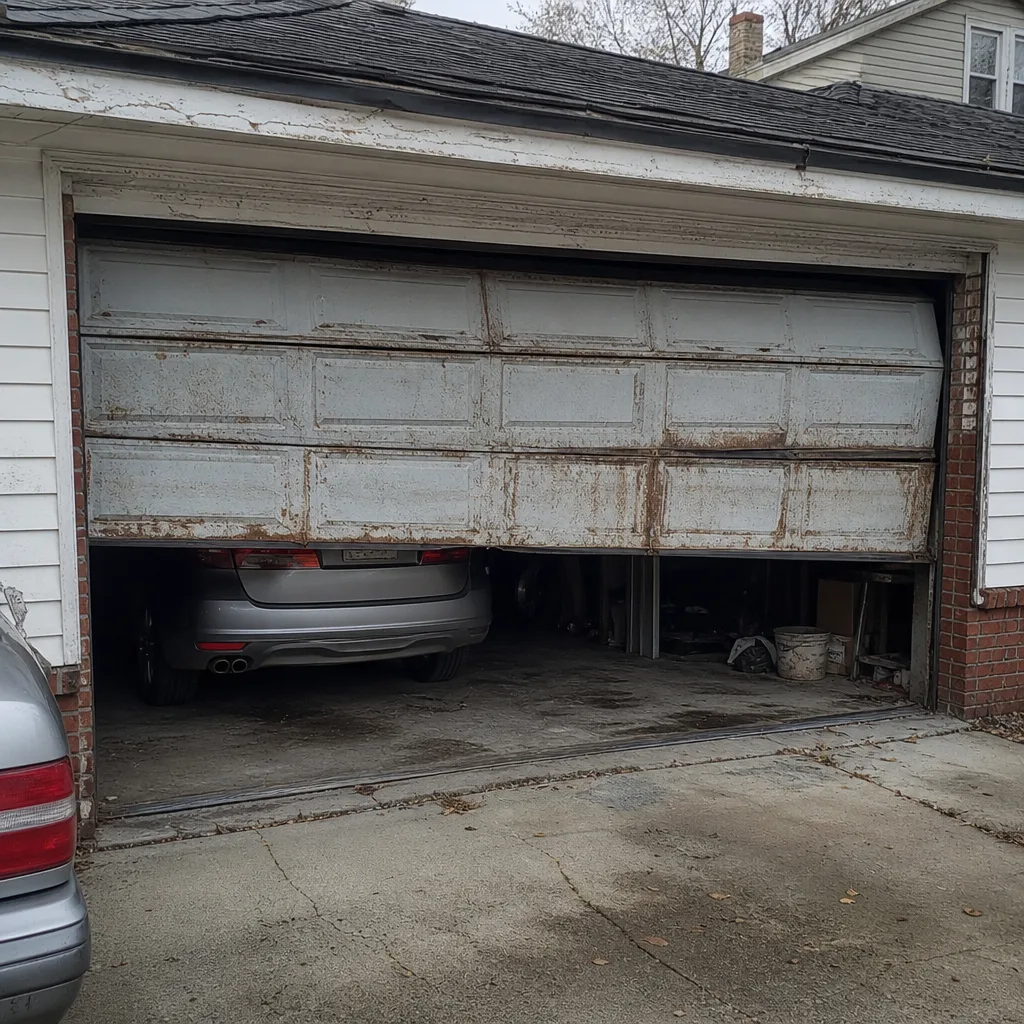 Before
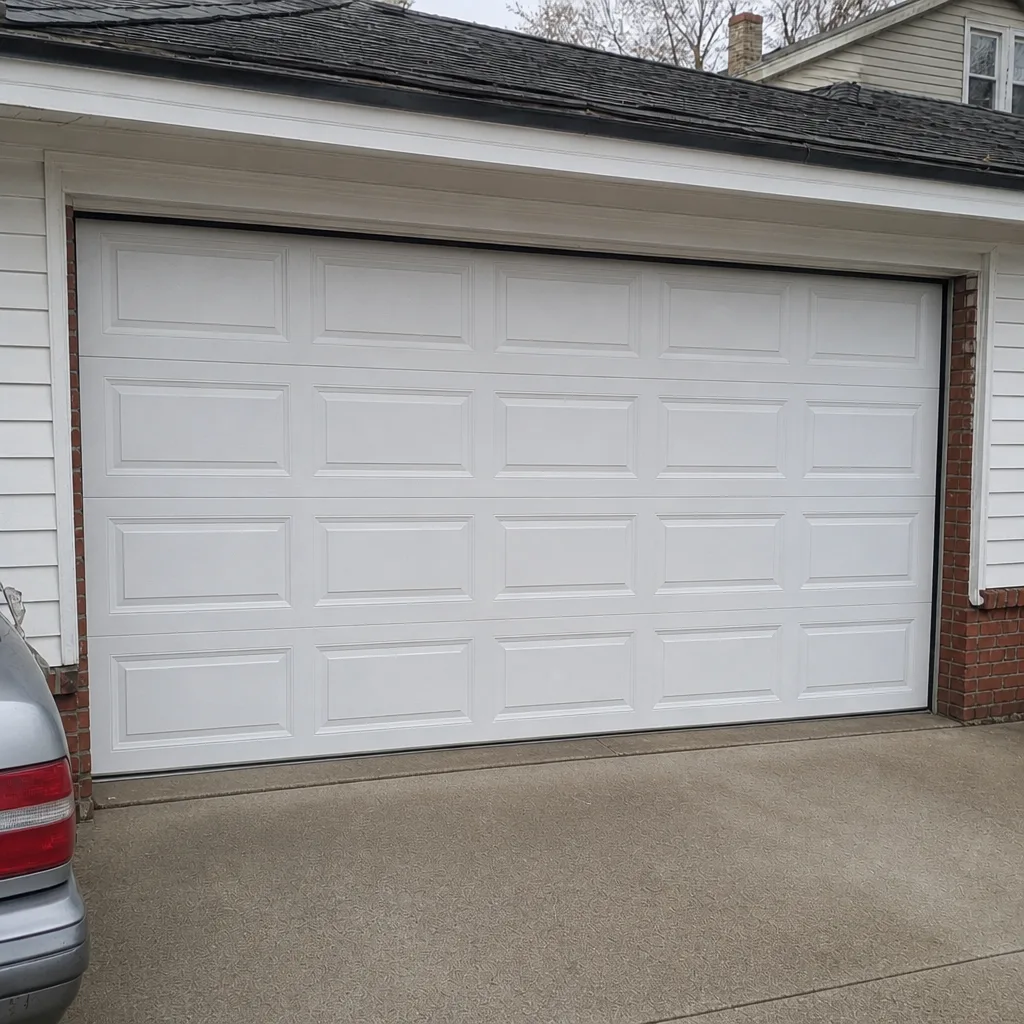 After
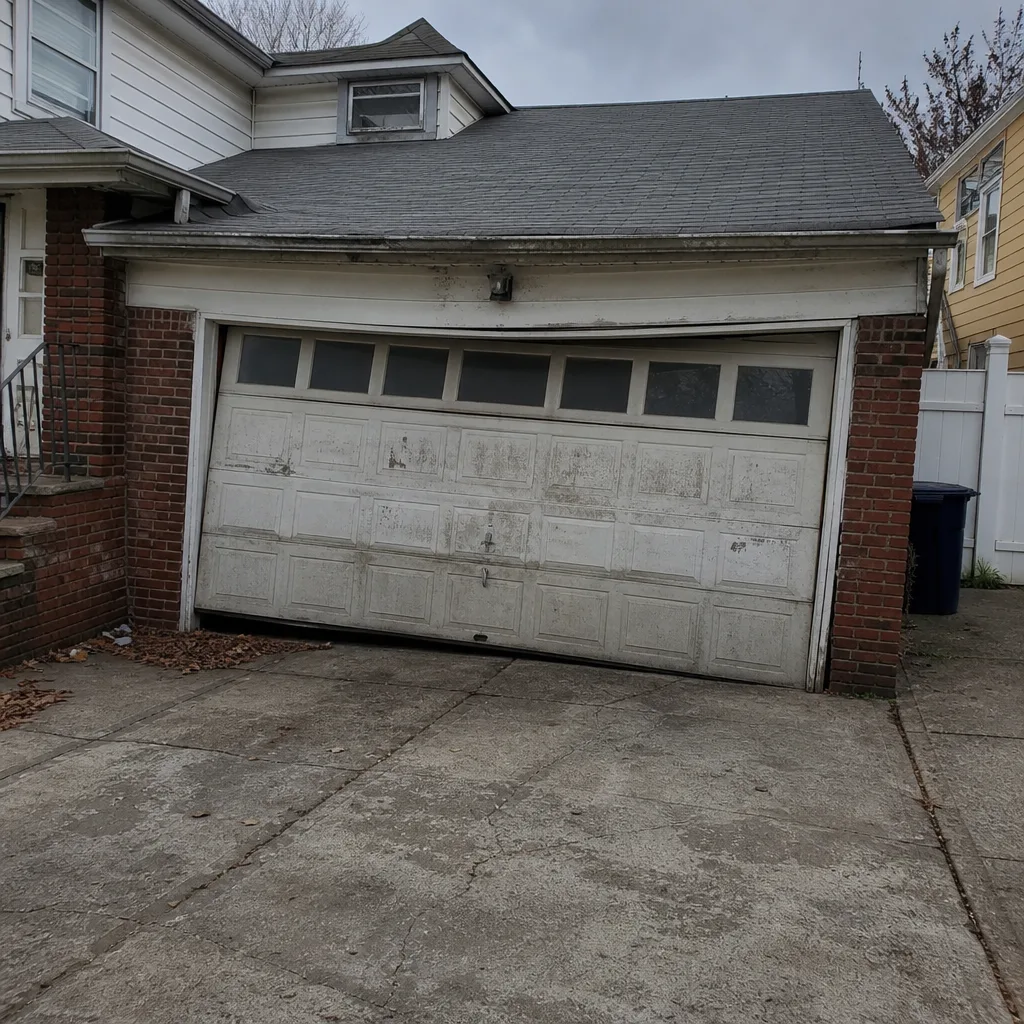 Before
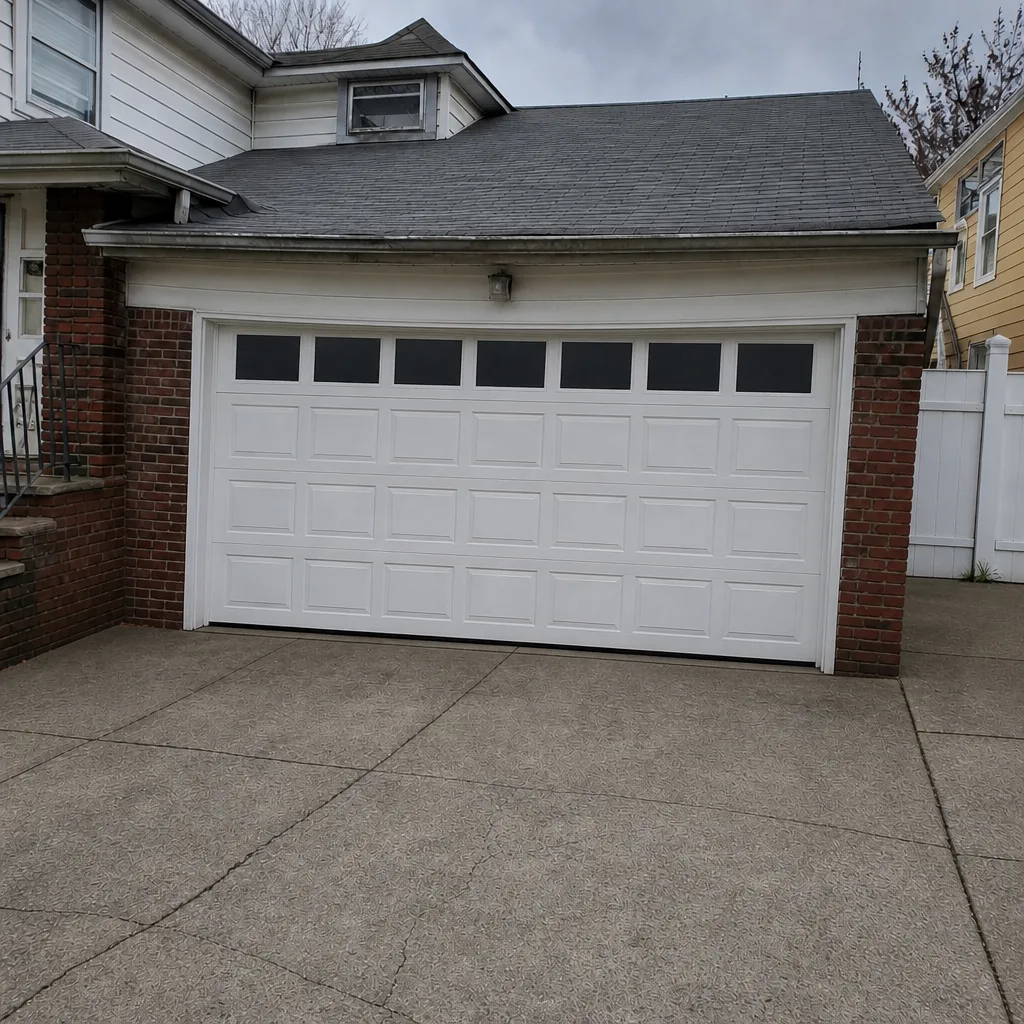 After
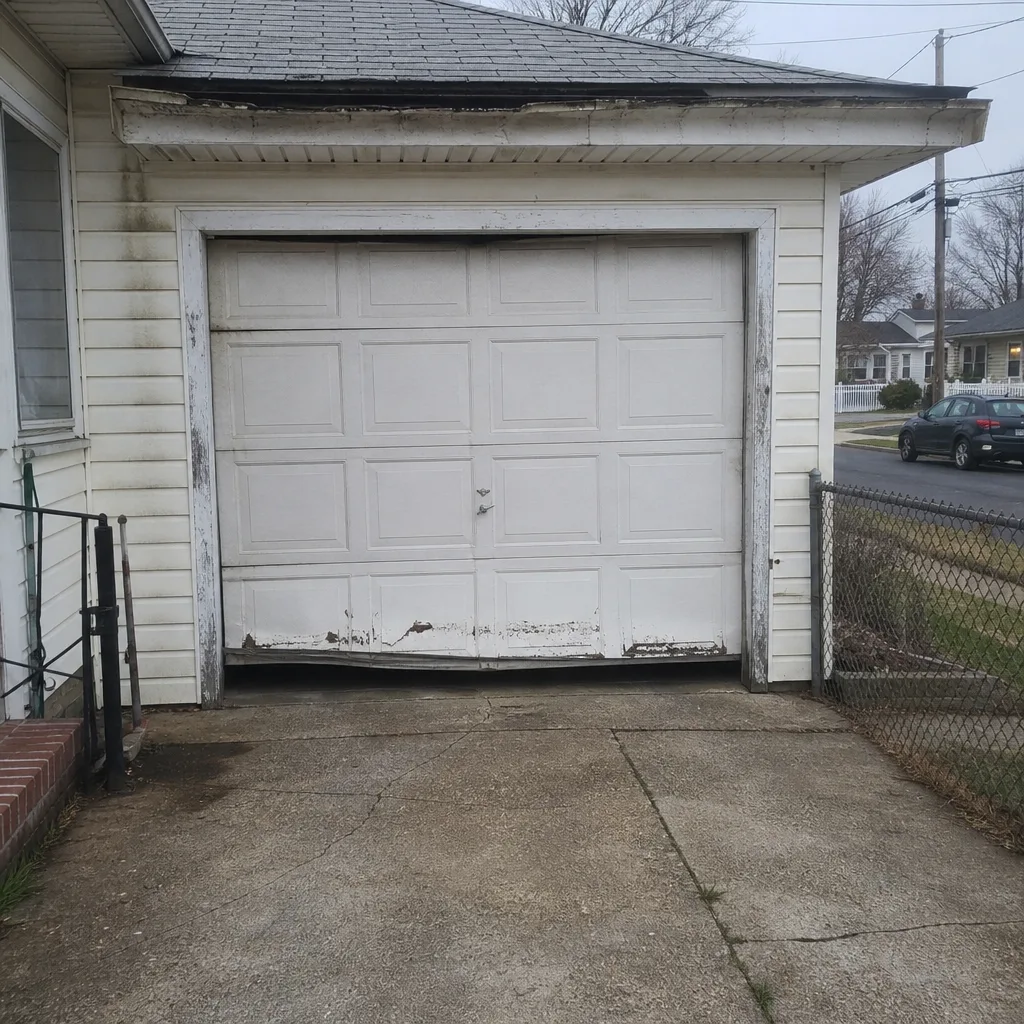 Before
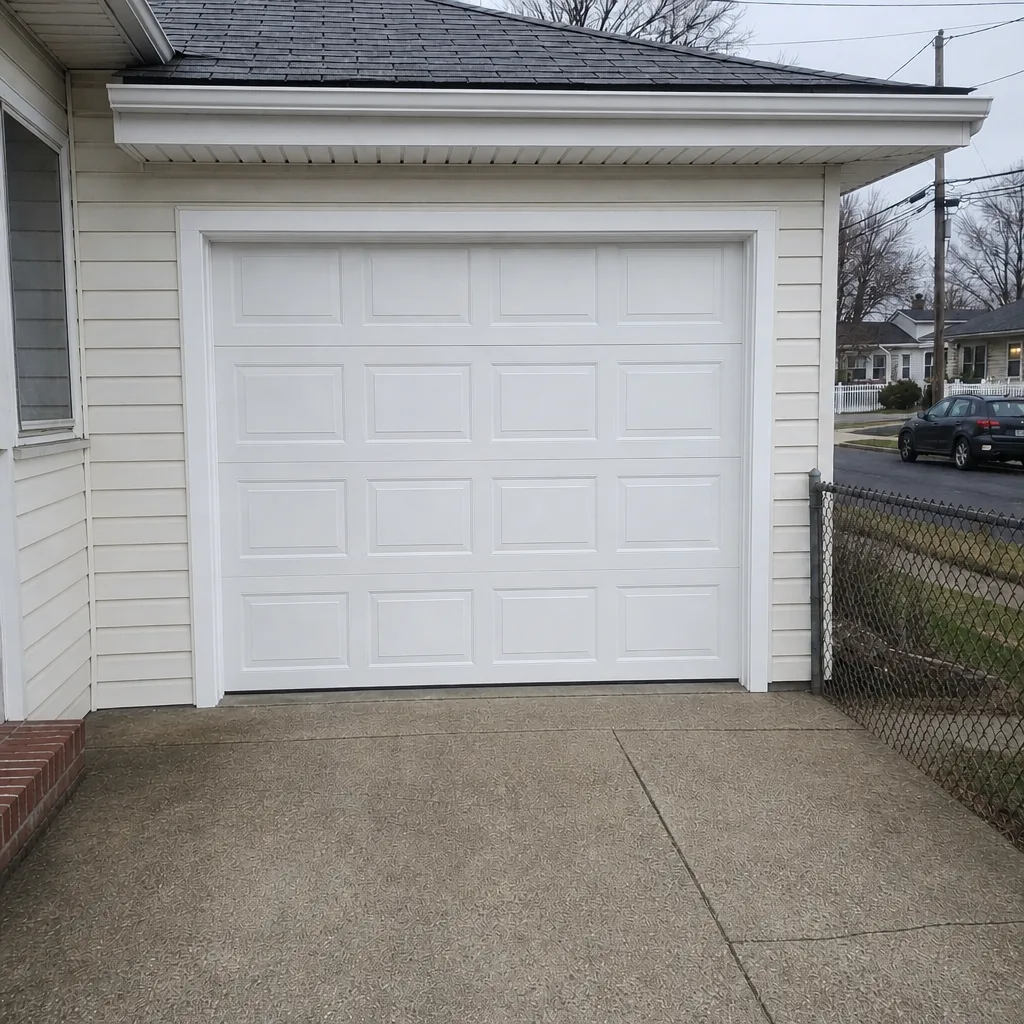 After
Common Mistakes to Avoid
- Using a screwdriver to unwind a torsion spring. A screwdriver isn’t a winding bar, and the difference has sent homeowners to the ER. Professional-only task, every time.
- Replacing a single spring when the door has a matched pair. Springs wear together. Replacing one usually means the other fails soon after, which doubles the eventual cost. Replace the pair.
- Assuming your door’s opening is standard. Vailsburg has plenty of older homes with non-standard sizes. Measure before ordering any part, or the part won’t fit.
- Trying to align a track on a loaded door. The track has to be unloaded before realignment, which means relieving the spring tension first. That’s the professional-only step hiding inside a “simple” adjustment.
- Installing a new opener without reinforcing the header. A modern LiftMaster or Chamberlain opener weighs more than the legacy unit it replaces, and the mount matters. A weak mount can pull loose.
- Ignoring a photo-eye problem as a nuisance. A misaligned sensor is a safety failure, not a convenience issue. If it’s the sun, reposition the sensor shroud; if it’s a wiring fault, that’s a technician’s call.
- Buying a replacement opener before diagnosing the current one. Stripped gears, drifted travel limits, and dead photo-eyes are all repair items, not replacement items. Diagnose first.
When to Call a Professional
Call a professional whenever a spring has snapped, a cable has broken, or a door is hanging at an angle. Call when the door reverses without warning and the sensor cleaning didn’t fix it. Call when a track is visibly bent, when the opener motor runs but the door doesn’t move, or when a new door or opener needs to go in. And call when you’re not sure which category your task is in. The risk on the professional-only list is high enough that a phone call is cheap insurance compared with the alternative.
Garage Door Repair Vailsburg offers free estimates in Vailsburg. Call (877) 331-4152. We answer 24/7, with fast dispatch from 7am to 7pm, Sunday through Friday, and we’re closed Saturday. Same-day service is available for repair work that fits the day, and every price is agreed in writing before any work starts.
Frequently Asked Questions
No. Torsion and extension springs are under 150 to 200 pounds of stored tension, and releasing that safely requires winding bars and training. This is the one category of garage door work that a homeowner should never attempt, regardless of experience. Call (877) 331-4152 for a free estimate on spring replacement; the written price is agreed before any work starts.
A single torsion spring repair in the Vailsburg market typically runs $180 to $340. Because most doors use matched springs that wear together, a pair usually costs roughly double, around $360 to $680, and replacing both is the standard recommendation. Call (877) 331-4152 for an exact quote; estimates are free and set in writing before work begins.
No. The written estimate is the price. We inspect the door in person, quote the job in writing, and confirm the number with you before any work starts. If a technician finds something during the repair that genuinely changes the scope, you get a revised estimate and the chance to approve it before anything else happens. Call (877) 331-4152 to book the estimate.
It can. Most opener warranties assume the unit was installed per the manufacturer’s instructions, and a DIY install that misses a step like header reinforcement or force-limit calibration can leave a future warranty claim denied. Professional installation protects the warranty and gets the force and reverse limits set correctly. That’s what garage door opener repair and installation look like when done right.
Yes. Weatherstripping and lubrication are genuinely safe DIY tasks. The trick with weatherstripping is fitting the strip into the retainer channel cleanly, and the trick with lubrication is using white lithium grease on the hinges and bearing plates and a silicone spray on the rollers. Nothing in that list involves stored tension or a moving door.
The local professionals we connect you with are licensed and insured as their state requires, and our own technicians have up to 8 years of experience. We work on eight major brands including LiftMaster, Chamberlain, Genie, and Clopay, and we handle repairs, openers, installation, and springs under one provider so you don’t have to hand off the job. Call (877) 331-4152 for a free estimate.
The Bottom Line
The DIY versus professional decision for a Vailsburg garage door comes down to consequence, not skill. Weatherstripping, sensor cleaning, lubrication, and remote programming are safe for a homeowner. Springs, cables, track realignment under load, and opener installation are not, and no video shortens the gap between a homeowner and a trained technician on those tasks. The honest math favors one clean professional visit for the dangerous tier, and it usually favors the middle path for everything else: prep and cleanup yourself, a professional for the steps that actually matter. One call handles the whole job. Whether it’s a spring, an opener, or a full new door, the price is agreed before work starts.
If you’re ready to sort out your door, or you just want a second opinion on what your task actually requires, call (877) 331-4152 for a free estimate. We work on the brands your door and opener already use, we answer 24/7, and we dispatch Sunday through Friday from 7am to 7pm. Emergency or scheduled, we’re ready either way.
Written by the team at Garage Door Repair Vailsburg.