
Last updated November 21, 2026
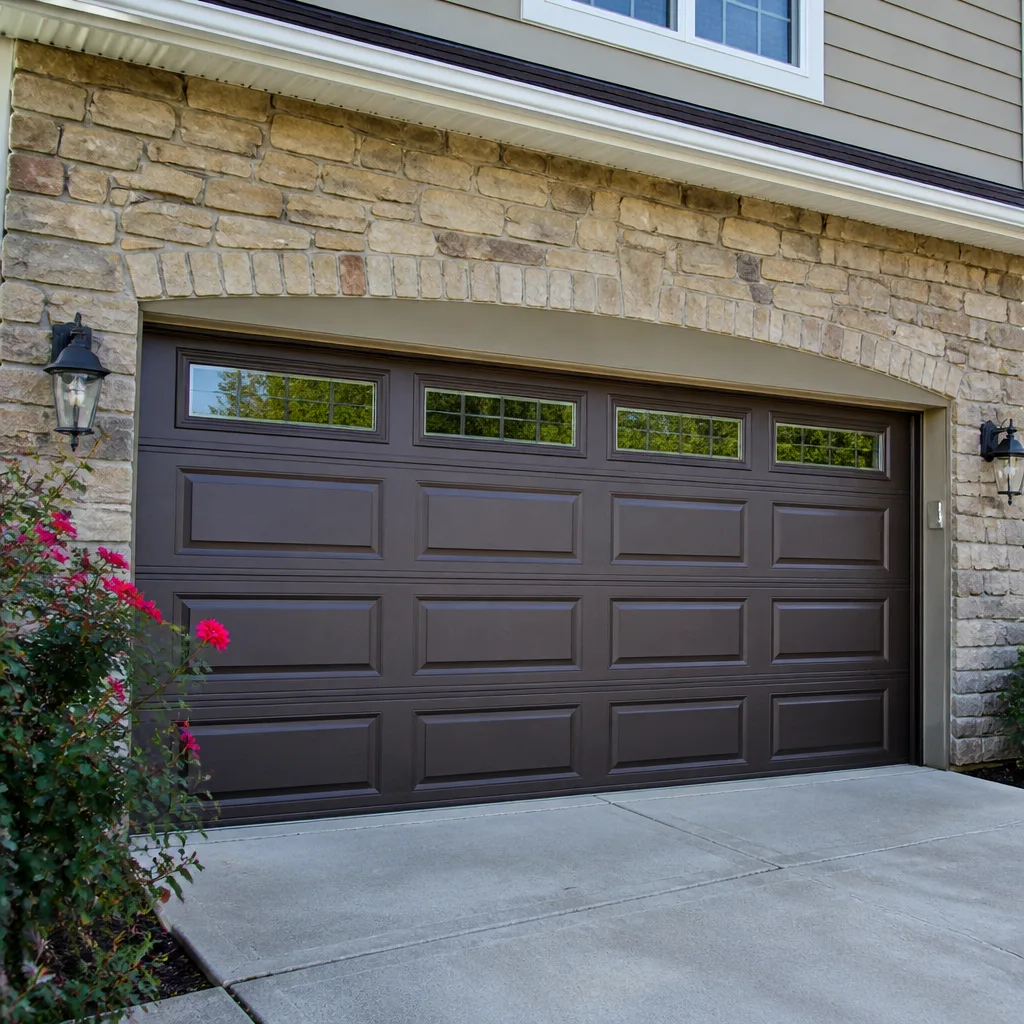 Raised-panel steel
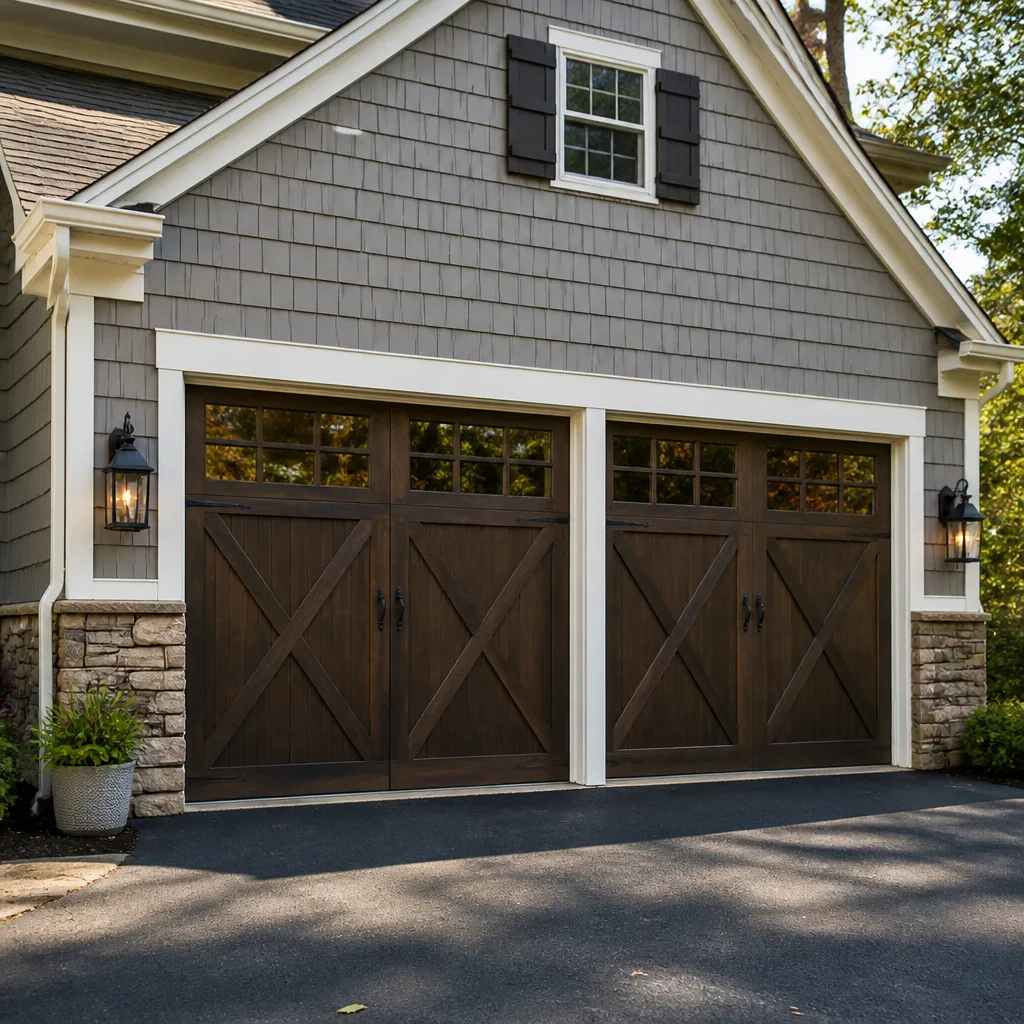 Carriage house
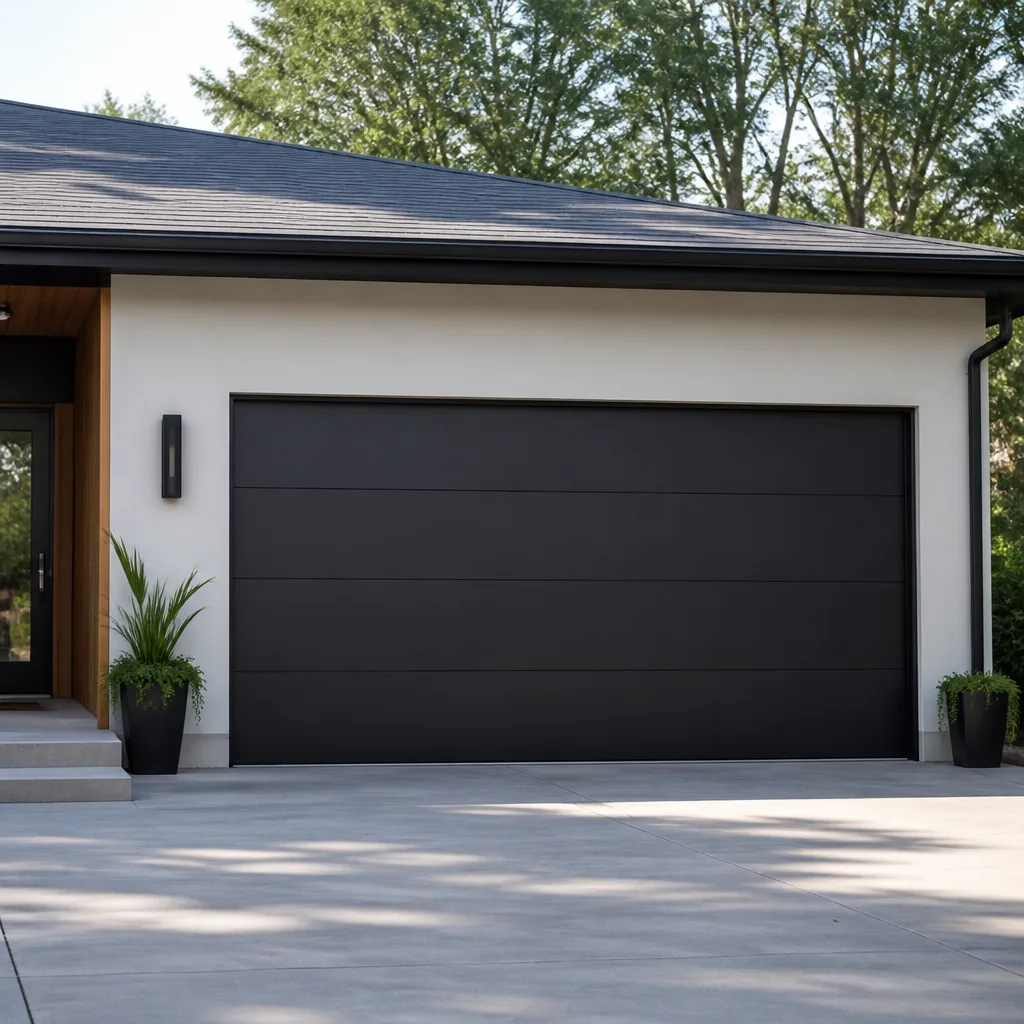 Modern flush
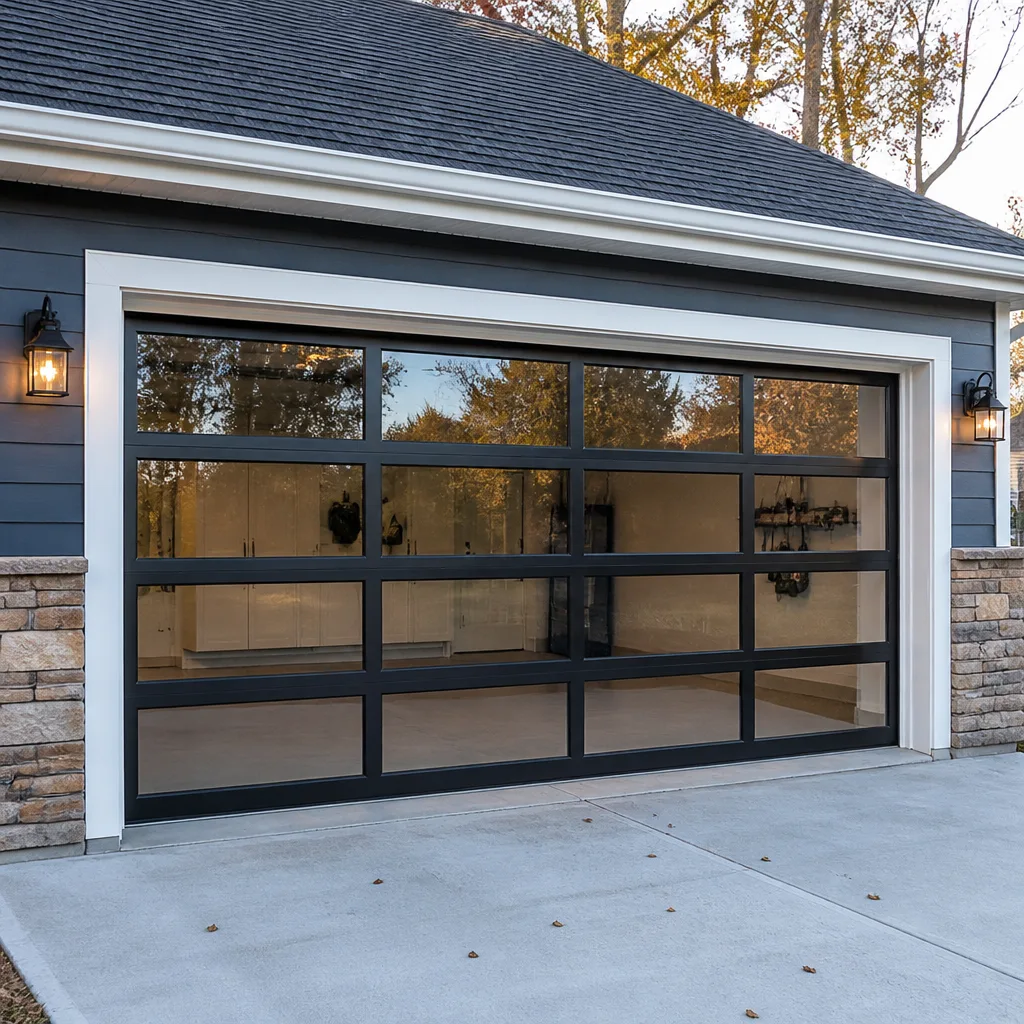 Full-view glass
 LiftMaster openers
 Chamberlain openers
Full 25-point door and opener safety check with every visit - springs, cables, rollers, tracks, and your LiftMaster or Chamberlain opener included
You get a price before we start. It does not change when the pro arrives.
Get your free estimateGarage Door Permits, Codes & Inspections in Vailsburg, NJ: What You Need to Know
Most Vailsburg homeowners figure a garage door is like a mailbox or a coat of paint: swap it out and nobody from the township cares. That assumption is where a lot of quiet trouble starts. In New Jersey, a garage door replacement can sit squarely inside the Uniform Construction Code, depending on what’s changing and how the opening is being modified. The permit rarely matters the week of the job. It matters three or five years down the road, at a closing table, when a buyer’s attorney pulls the municipal file and finds a door that was installed without one. In this guide we’ll walk through exactly when Vailsburg work needs a permit, what Essex County and local inspectors actually look for, how to check whether a previous owner did it right, and what paperwork you should be holding at the end of a job.
Quick Answer
A straight like-for-like garage door replacement on an existing opening often does not require a permit in New Jersey, but a full replacement that changes the opening, structure, or associated electrical work frequently does under the Uniform Construction Code. When a permit is required, it must be applied for before work begins and signed off by the local building inspector. The one reliable answer for your Vailsburg property is your municipality’s building department, and the one reliable protection is a contractor who hands you permit paperwork and inspection sign-off at completion.
Styles & brands we work with
- Raised-panel steel
- Carriage house
- Modern flush
- Full-view glass
- LiftMaster openers
- Chamberlain openers
Table of Contents
- When New Jersey’s Uniform Construction Code Requires a Permit
- What Essex County and Vailsburg-Area Inspectors Check
- Openers, Electrical Connections, and Code
- Checking Whether Previous Owners Pulled Permits
- Wind-Load and Hurricane-Rated Door Documentation
- The Three Documents You Should Receive at Job Completion
- How a Permitted Garage Door Job Actually Runs
- What to Do If Your Permit Was Never Pulled
When New Jersey’s Uniform Construction Code Requires a Permit
New Jersey adopts the Uniform Construction Code (UCC) at the state level and each municipality administers it through a local construction office. The UCC covers building, electrical, plumbing, fire, and mechanical work. Garage door work generally falls under the building subcode, and sometimes under the electrical subcode when the opener and its connections are part of the job.
Here’s the practical breakdown of when a permit is usually triggered for a Vailsburg garage door:
- Full garage door replacement on a standard existing opening: Often treated as routine maintenance if the opening, header, and framing are untouched. Some municipalities still want a permit; some don’t. Ask before you schedule.
- Structural modification to the opening: Changing the height, width, or header of the opening is structural work and requires a permit. This includes widening the door, cutting a new opening, or modifying framing to fit a taller door.
- Replacing or upgrading the opener with new electrical: If a new dedicated circuit, disconnect, or hardwired connection is needed, an electrical permit is typically required. A straight swap of an existing opener on an existing circuit is usually exempt, but the local inspector decides.
- Installing a door where there wasn’t one: A new opening in an existing wall is structural work. Permit required.
- Adding wind-load or hurricane-rated doors: The door’s engineering documentation is reviewed against the opening, so a permit is typically pulled even when the opening itself isn’t changing.
The short version: if the opening or its framing is being altered, if new electrical is being run, or if a rated assembly is involved, expect a permit. For plain replacements, the answer turns on your specific municipality. In our experience working Vailsburg and the surrounding Essex County neighborhoods, the single most common mistake is assuming a permit is never needed. Ask the building department directly and get the answer in writing.
What Essex County and Vailsburg-Area Inspectors Check
Vailsburg is a neighborhood on the western edge of Newark, in Essex County. Newark administers its own construction office, and the inspectors who review Vailsburg work handle both the structural and electrical sides of a garage door job. Their focus is narrow but specific. A typical inspection looks at the following:
- Track alignment and fastening. Are the tracks plumb and level, and are they fastened into sound framing rather than drywall or thin sheathing?
- Header and framing integrity. Does the opening still carry proper load above the door? Was any part of the original header cut or modified?
- Spring and cable safety. Are the springs mounted correctly, are cables intact, and is there a proper containment setup where required?
- Opener safety features. Photo-eye sensors and reverse-on-contact functions must work. This is an electrical inspector’s item.
- Electrical connections. If a new circuit was run, the electrical inspector verifies the disconnect, wiring method, and grounding.
- Manufacturer documentation. For rated assemblies, the inspector wants the spec sheet and installation instructions matched against what’s actually installed.
What varies between Newark and the smaller Essex County municipalities that ring Vailsburg is the paperwork burden and the timing. Newark’s construction office is busy, so a permit applied for on a Monday may not see an inspector until later in the week. Neighboring towns can be faster because they handle a smaller volume. This is one of the reasons a written estimate should tell you who is pulling the permit, how long it typically takes for that municipality, and whether the contractor or the homeowner is listed as the applicant. That last detail matters more than most people realize, because the applicant is the one the sign-off legally lands on.
Openers, Electrical Connections, and Code
Garage door openers are electrical appliances. A simple replacement of an existing opener on the existing circuit is usually treated as a like-for-like swap. Once the job involves new wiring, a new dedicated circuit, or a change from one voltage class to another, the electrical subcode kicks in. We regularly work on LiftMaster, Chamberlain, Genie, and Craftsman openers in Vailsburg, along with the older units that predate most of the current UL safety standards, and the pattern is consistent: the older the opener, the more likely a replacement pulls additional electrical work along with it.
For a Vailsburg homeowner, the practical questions to ask before any opener replacement are:
- Is the new opener going on the same circuit as the old one? If yes, no electrical permit is usually triggered.
- Does the existing circuit have a proper disconnect or service switch for the opener? If not, the electrician may need to add one.
- Are the photo-eye sensors and reverse-on-contact features present and functional? These are safety items that an inspector will test.
- Was the existing wiring method up to current code when it was installed? Older Newark-area homes sometimes have knob-and-tube or two-wire circuits feeding the garage.
If the answer to any of these is uncertain, get a licensed electrician’s read on it before scheduling the opener swap. If you’re chasing a specific symptom rather than a whole system swap, our garage door opener repair page covers the common failure modes and what a typical diagnosis involves. Emergency or scheduled, we work on your brand, but the electrical side should always go to a licensed electrician.
Checking Whether Previous Owners Pulled Permits
Vailsburg has a lot of older housing stock, and many of the homes on the blocks between South Orange Avenue and the Garden State Parkway have had multiple owners. Garage doors, openers, and opening modifications get done in a hurry, and not every previous owner pulled a permit. If you inherited a garage door that raises questions, here’s how to find out.
- Call the Newark construction office. Ask for a record search on your property address. Newark keeps permit files by address, and they’ll tell you whether a permit was ever pulled for garage door work and whether it was closed out with an inspection.
- Check your closing documents. Your title search, your seller’s disclosure, and any contractor invoices that came with the house may mention garage work. If there’s a permit number on an invoice, the construction office can match it to the file.
- Look at the door itself. A manufacturer’s label on the door and a model number on the opener can tell you roughly when the equipment went in. If the number matches the era of a previous owner’s renovation, that’s a strong hint.
- Check the opener’s date code. Most openers carry a date sticker on the motor housing or inside the rail. If the date aligns with a renovation listed in your closing file, you have a starting point.
If a permit was never pulled and the work was permit-required, the exposure shows up in three places: an open permit that gets flagged in a title search, an inspector who in some cases may require correction to current standards, and an insurance carrier who, in a claim, can point at unpermitted work. The fix is to file for a permit now as an owner, schedule the inspection, and correct anything the inspector flags. It’s rarely a disaster. It’s a paperwork job with a deadline, and doing it before you list the house is much cheaper than doing it during a closing negotiation.
Wind-Load and Hurricane-Rated Door Documentation
Hurricane-rated or wind-load-rated garage doors are engineered assemblies, not just thicker steel. The rating comes from the door, its track, its fasteners, and the way it anchors into the framing. That matters because when a rated door is installed, the inspector needs to see the documentation for the exact door being installed, not a generic spec sheet for the model line.
The documentation that typically needs to accompany a rated installation includes:
- Manufacturer’s evaluation report or product listing. This is the report that ties the door’s rating to a specific tested assembly.
- Installation instructions for the specific model. Fastener type, spacing, and anchor pattern all matter, and the instructions spell them out.
- Door labels or stamps. Rated doors carry marking on the panel or label that ties the physical door to the rated assembly.
- Opening measurements and framing details. The inspector compares the opening to the tested assembly to confirm the door is rated for that size and that the framing matches the tested condition.
Brand choice matters here. Clopay and Amarr both publish wind-load documentation for their rated door lines, and the paperwork burden on the homeowner is similar for either as long as the door is installed per the tested assembly. If your door is being replaced on an existing opening with no structural changes, and you’re not using a rated door, the documentation question drops away. If a rated door is specified, always have the paperwork ready before you schedule the inspection, because an inspector can’t sign off on what they can’t verify. For new install projects, our garage door installation page walks through the measuring and scheduling side of the job.
The Three Documents You Should Receive at Job Completion
At the end of any garage door job in Vailsburg, you should be holding three documents. Not two. All three. Each one protects you in a different way, and missing any one of them is the kind of gap that surfaces years later.
- Permit paperwork. This includes the permit application number, the name of the applicant, and the final inspection sign-off from the municipality. Keep the original and a digital copy. If a permit was not required, ask the contractor for a short written note stating the basis for that position, so you have a dated record.
- Inspection sign-off. When a permit is required, the job is not done until the inspector signs off. That sign-off is the document a buyer’s attorney looks for. Without it, the permit sits open, and open permits in some cases have to be closed before a sale can close.
- Manufacturer installation documentation. The door and opener manuals, the model and serial numbers, and any rated-assembly documentation. This is what your future self, your future buyer, and, if a claim ever comes up, your insurer will want to see.
In our experience, the missing document is almost always the inspection sign-off. Homeowners get the door, they get the manual, but nobody follows up on the final inspection, and the permit stays open for years. Our view is simple: a job isn’t finished until the paperwork is finished. That’s part of what full-service means to us, and it’s one reason we’d rather walk you through the permit process than hand you a phone number for the construction office and wish you luck.
How a Permitted Garage Door Job Actually Runs
For a Vailsburg job that does require a permit, the sequence looks like this. It’s not slow, but it is a sequence, and skipping steps is how timelines slip.
- Measure and confirm scope. A contractor confirms the opening dimensions, the door model, and whether the opening will be modified. This is when the permit question gets answered definitively for your property.
- Pull the permit. The homeowner or the contractor files with Newark’s construction office. The applicant is the party the sign-off legally lands on, so this detail should match what you and your contractor agreed to in writing.
- Order the door. Because a permitted job often involves a rated door or an opening change, the door is ordered for the confirmed dimensions. There’s no such thing as a same-day install for this kind of work, and we’d never promise one.
- Install. The door, tracks, springs, and opener go in on the scheduled day.
- Inspection. The building inspector reviews the assembly. The electrical inspector reviews any new wiring. If the job requires both subcodes, both inspections must clear.
- Sign-off and handoff. You receive the permit paperwork, the inspection sign-off, and the manufacturer documentation. Take photographs of the labels and the sign-off before you file them away.
If you’re planning work on an existing Vailsburg garage and you’re not sure whether a permit is required, talk to your municipality’s building department first. They will tell you. Our estimate is free, and we’ll be honest about whether the job you’re describing needs a permit or not. If you’d like a second opinion on the scope, you can reach us through our Garage Door Repair Vailsburg page, or read our broader garage door repair guide for what a typical repair actually covers.
What to Do If Your Permit Was Never Pulled
If you own a Vailsburg property where garage door work was done without a permit and the work was permit-required, you have options, and none of them involve panic. The cleanest path is to file for a permit now as an owner and schedule an inspection. That gets the file closed in your name before a future buyer’s attorney opens it for you.
Before you file, gather what you have:
- Any contractor invoices or receipts from the original work. These may identify the door or opener model and the approximate date.
- Photographs of the door, the tracks, the springs, and the opener. Including any manufacturer labels and date codes.
- Your closing documents. The seller’s disclosure and title search may note any unpermitted work.
- The construction office’s record of the property. Ask them what permits are on file and whether any are open.
When you call the Newark construction office, ask specifically whether the work you’re describing would have required a permit when it was done, and what the process is to file now. Most offices will walk a homeowner through it. If an inspection finds something that has to be corrected, you’ll get a punch list and a window to fix it. It’s the same work a contractor would do on a fresh install, minus the install. Winter is often the easier time to schedule it, because construction offices are less busy and contractors have more scheduling freedom. Our full-service team can review the assembly with you, and if any part of the door or opener needs to be brought up to current condition to pass, we’d rather you know that before you file than after.
Common Mistakes to Avoid
- Assuming a straight replacement never needs a permit. Some municipalities in the Vailsburg area and throughout Essex County still want a permit on replacements, and the answer is a phone call away. Ask before you schedule.
- Leaving the inspection open after the install is done. The permit isn’t the protection. The sign-off is. An open permit can surface in a title search years later.
- Modifying the opening to fit a taller door without a permit. Changing a header is structural work and always requires one. A contractor who offers to “just cut it” is telling you something about how they work.
- Overlooking the electrical side of an opener upgrade. A new dedicated circuit or disconnect is an electrical permit item. If the old opener was on shared wiring, the new one may not be.
- Installing a rated door without the documentation packet. The inspector needs the manufacturer’s report and the installation instructions for the specific model, not a generic brochure.
- Letting a previous owner’s unpermitted work ride. If your closing documents suggest garage work was done without a permit, file now. Closing-week paperwork is more expensive and more stressful than any other time.
- Not keeping the manufacturer documentation. Model and serial numbers, manuals, and rated-assembly paperwork are what a future buyer’s inspector, your insurer, and your next contractor will all ask for.
See the difference
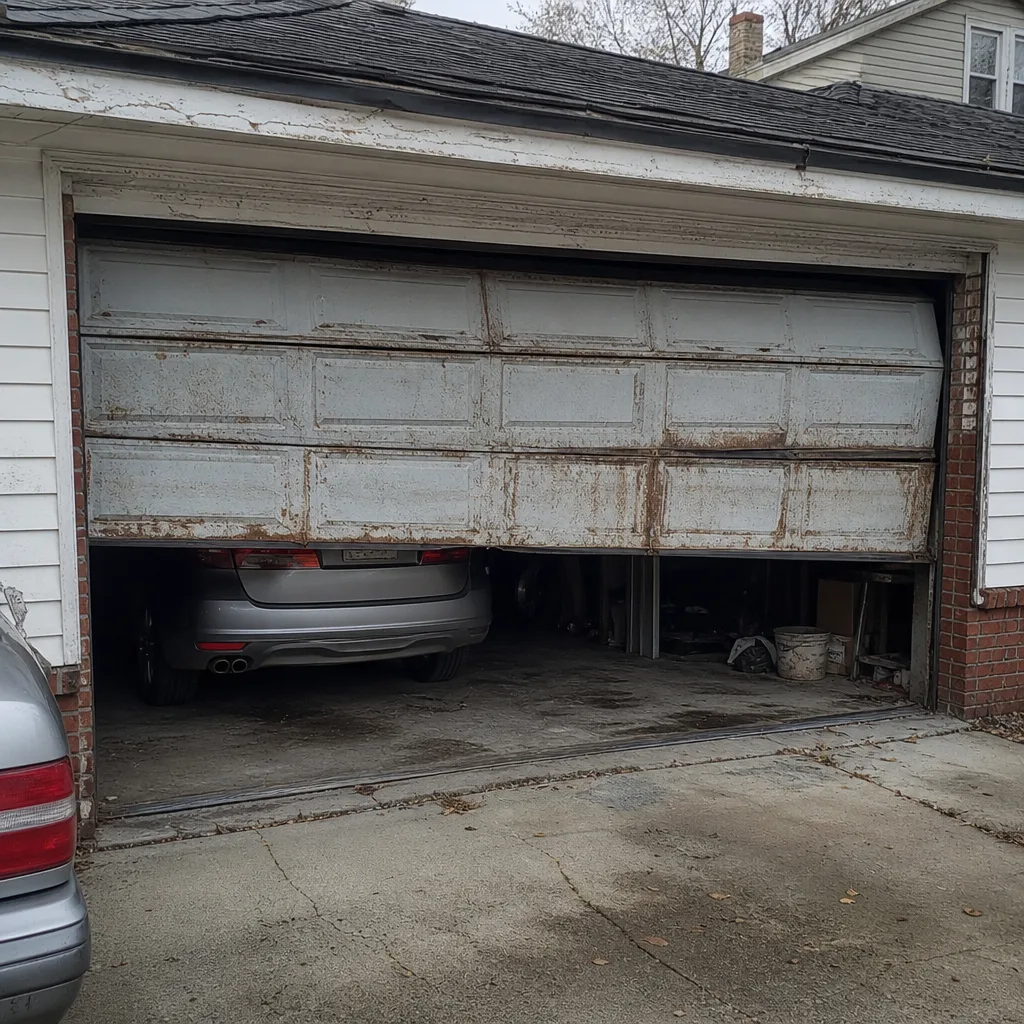 Before
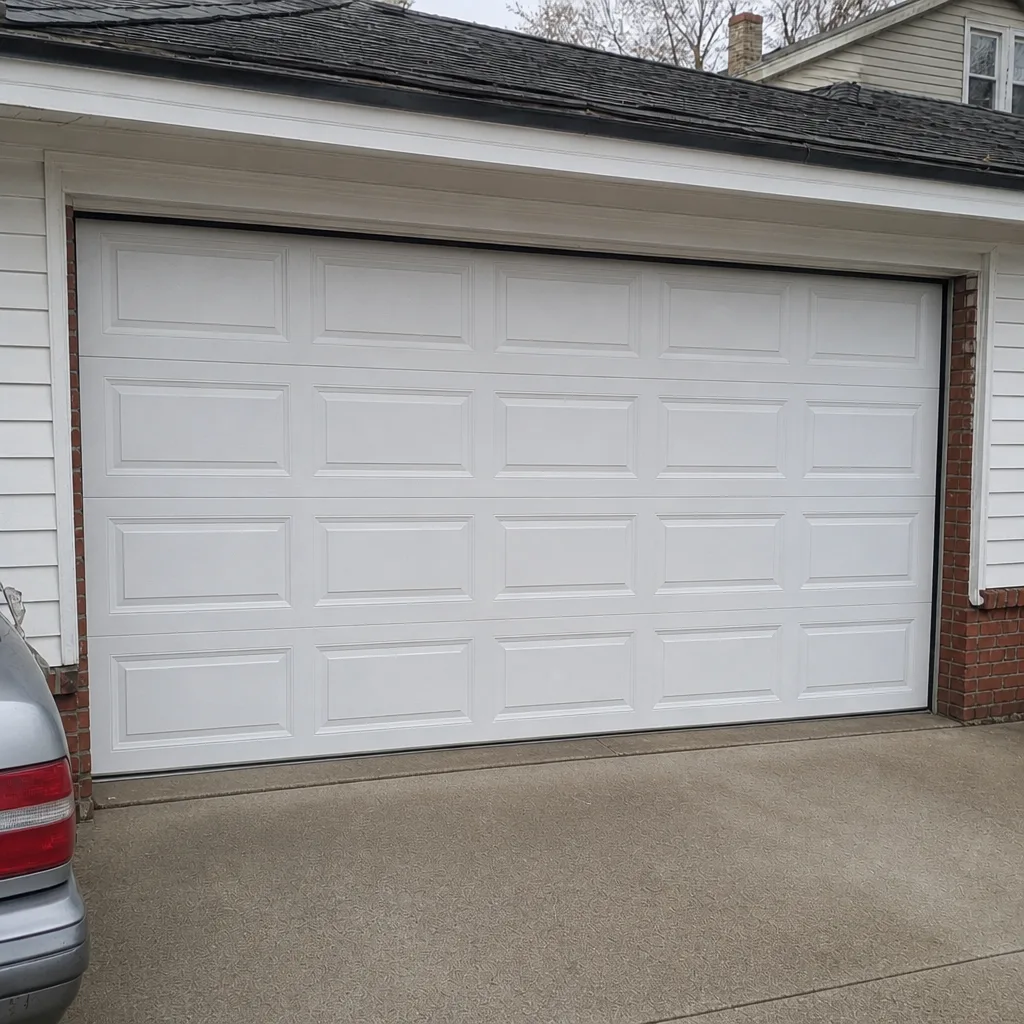 After
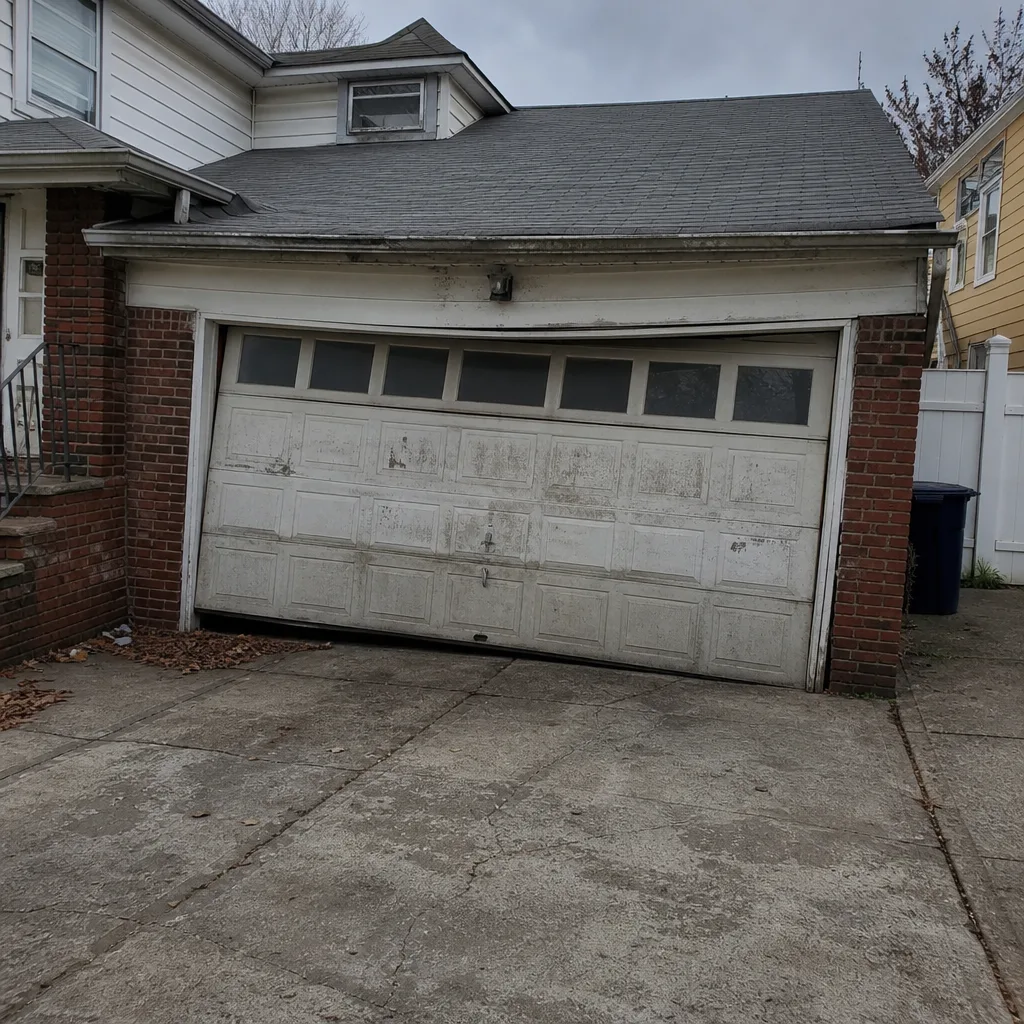 Before
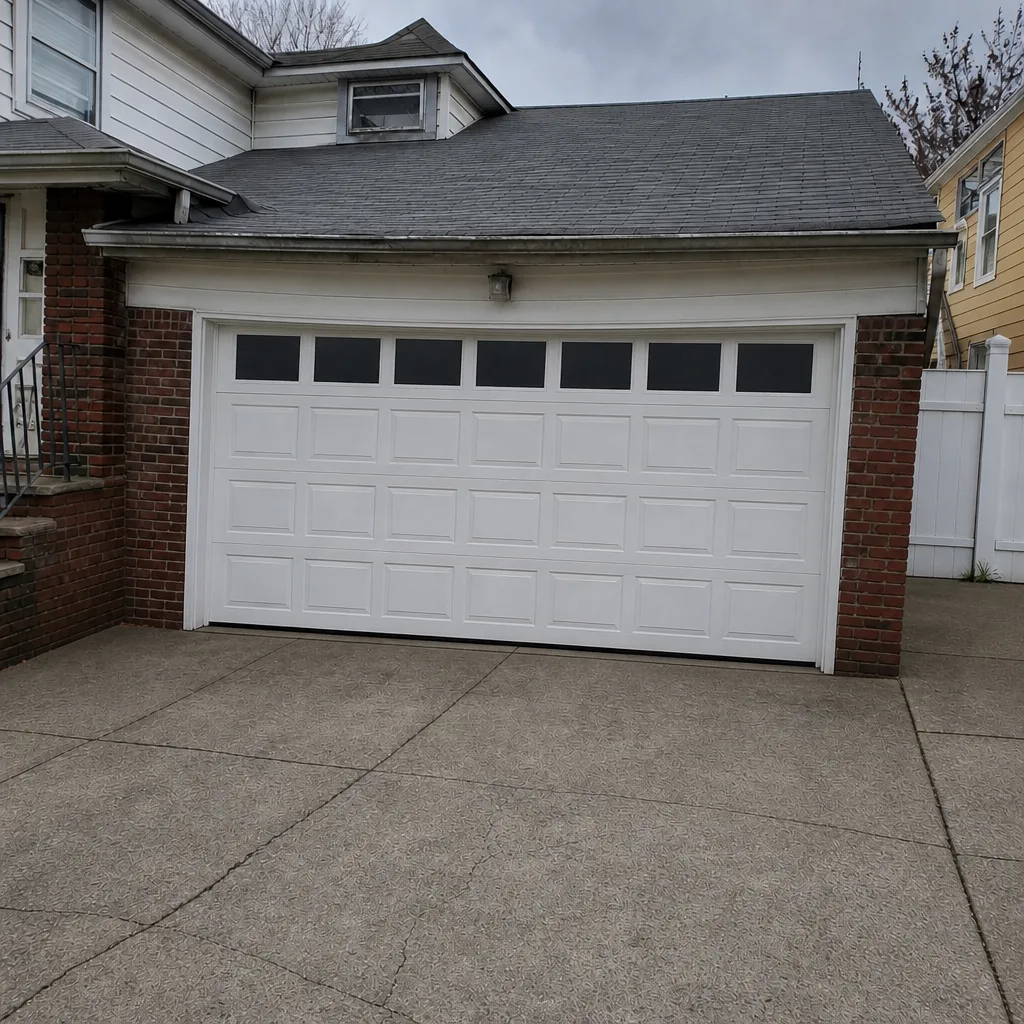 After
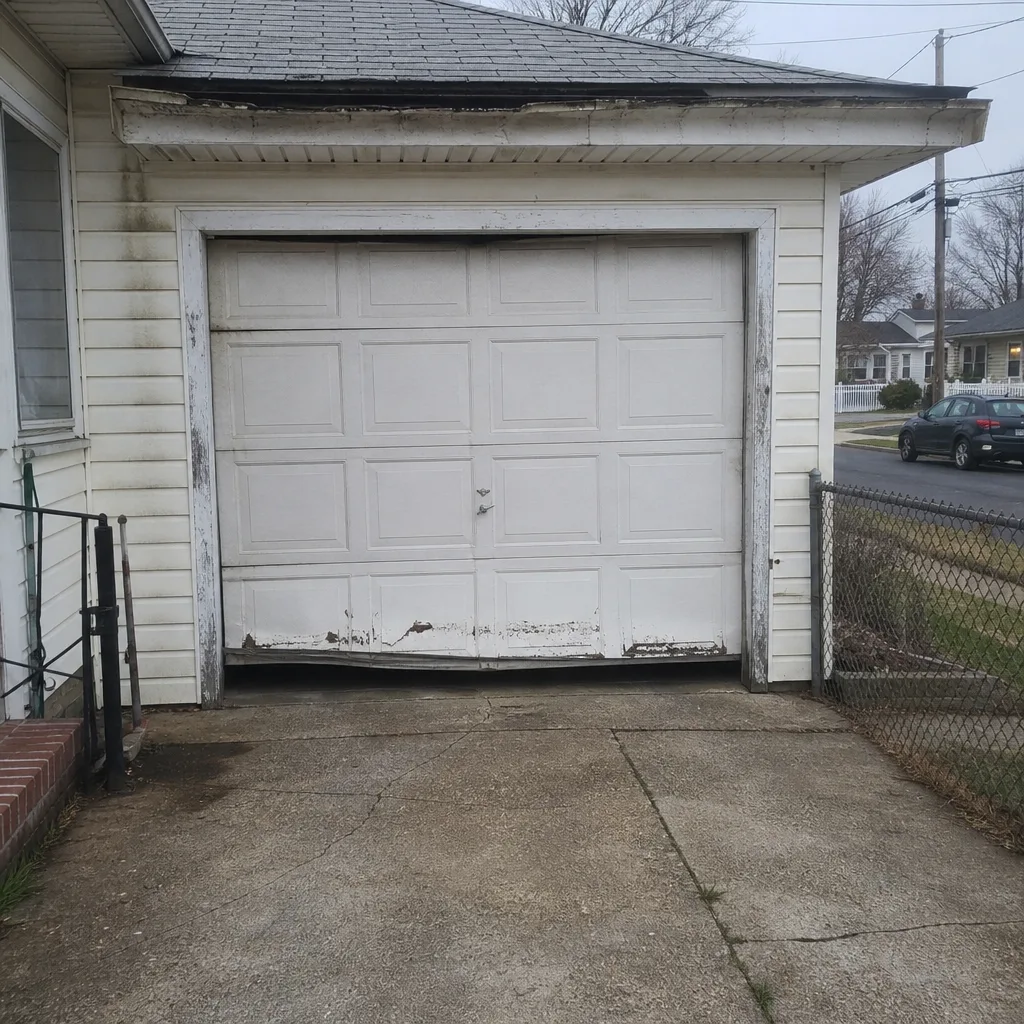 Before
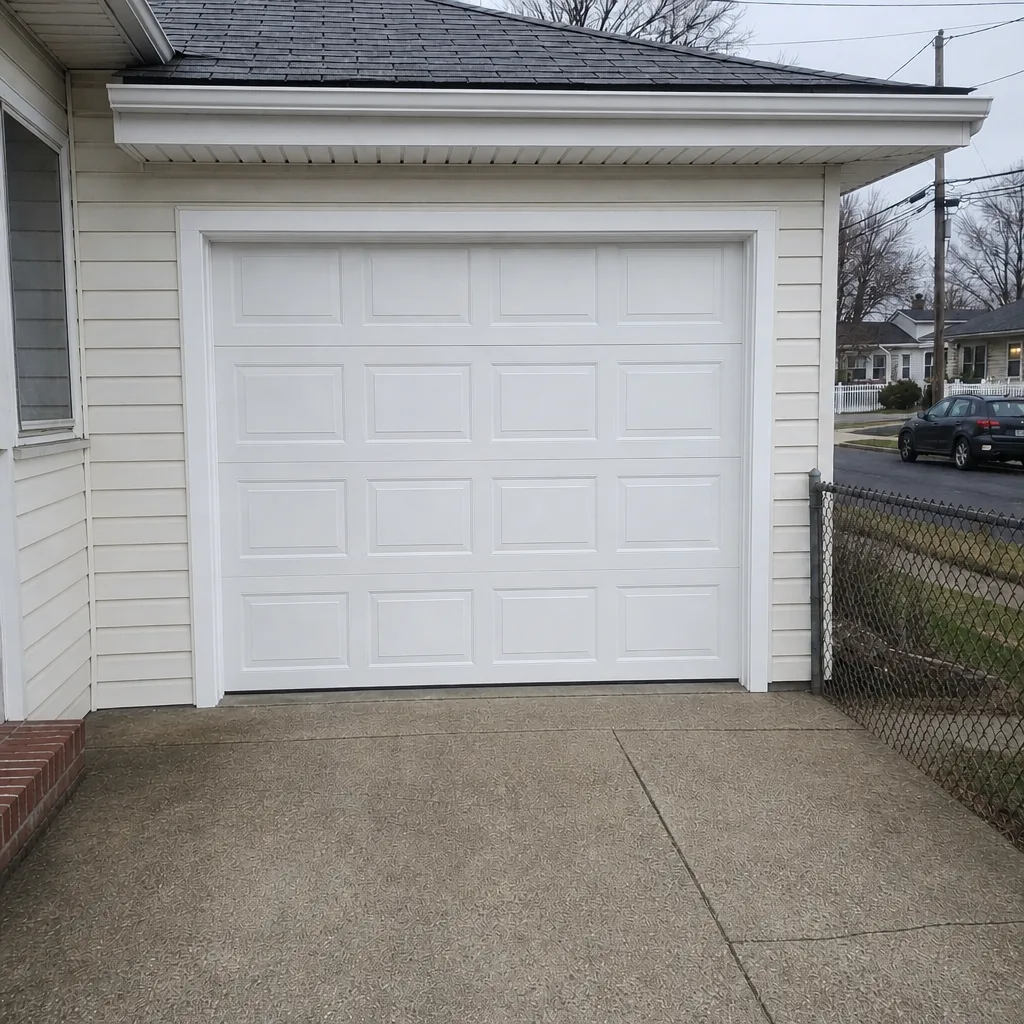 After
When to Call a Professional
Garage door springs are the most dangerous part of any garage door. They’re under heavy tension, and a spring that fails while someone is working near it can cause serious injury. We don’t recommend homeowners handle spring, cable, or track work, and that includes the “quick” fixes you’ll find on video sites. Beyond the safety side, there are specific situations where a Vailsburg homeowner should have a professional look at the assembly and confirm the permit question at the same time: a door that’s been modified before, an opener that’s older than the current safety standard, a rated door being replaced, an opening being changed, or a door that’s raising questions during a pre-sale walkthrough.
Garage Door Repair Vailsburg offers free estimates in Vailsburg. Call (877) 331-4152. We answer 24/7. Fast dispatch from 7am to 7pm, Sunday through Friday. Our technicians have up to 8 years of experience, and we work on the major brands installed in this neighborhood, including Genie, Clopay, Amarr, and Wayne Dalton.
Frequently Asked Questions
It depends on what’s changing. A straight like-for-like replacement on an existing opening often does not require a permit, but a replacement that changes the opening, its framing, the header, or the associated electrical work frequently does under New Jersey’s Uniform Construction Code. Call your municipality’s building department for the definitive answer on your specific Vailsburg property before scheduling, and ask for the answer in writing. If you want help scoping the job first, call (877) 331-4152 for a free estimate.
The exposure usually appears years later, during a title search at a sale, when a buyer’s attorney finds the missing permit. The fix is to file for a permit now as the current owner, schedule an inspection, and correct anything the inspector flags. Gathering any old invoices, photographs of the door and opener labels, and your closing documents will make the filing smoother. If a contractor invoice is available, our team can help you read what was actually installed so you know what you’re filing against.
That depends on your municipality and the scope of the work. In Newark’s construction office, a permit application may take a few days to a week to be reviewed, and the inspection is scheduled after the install is complete. A rated door or an opening change adds time because the assembly has to be confirmed against documentation. The schedule always depends on the municipality, not the contractor. Call (877) 331-4152 for an estimate that includes the likely timeline for your job.
Three documents: permit paperwork including the application number and final inspection sign-off, the inspection sign-off itself, and the manufacturer installation documentation for the door and opener. All three matter for different reasons, and missing the sign-off is the most common gap. Take photos of the labels and the sign-off before you file them, and keep digital copies. If you’re not sure what you’re holding, our team can review it with you.
Not always, but often. A like-for-like swap on the existing circuit is usually treated as routine, while new wiring, a new dedicated circuit, or a change from one voltage class to another triggers the electrical subcode. Older Vailsburg openers often need additional work to bring the electrical side up to current condition, which is what pulls the permit. Call (877) 331-4152 for a free estimate and we’ll flag whether your swap is likely to need a permit.
Yes, typically. A rated door is an engineered assembly, and the inspector needs to see the manufacturer’s evaluation report or product listing, installation instructions for the specific model, and the door’s label or stamp tying it to that rated assembly. Clopay and Amarr both publish this documentation, and it should be in hand before the inspection is scheduled. If your door is rated and you don’t have the packet, our team can help you track it down before the inspector arrives.
The Bottom Line
Garage door permits in Vailsburg are rarely about the door. They’re about the paper trail behind it. If the opening changes, if new electrical is run, if a rated door is installed, or if the work was never filed to begin with, the permit is what protects you years later at a closing table. If the job is a straight replacement on an unmodified opening, ask your municipality to confirm whether they want one anyway; the call takes five minutes. And whatever the job, walk away with three documents: the permit paperwork, the inspection sign-off, and the manufacturer documentation. That simple habit is the difference between a garage door you can point to with confidence and one that shows up in your closing file as a problem.
If you’re planning a Vailsburg garage door project and want a straight answer on whether a permit is part of it, we’re glad to help. Call (877) 331-4152 for a free estimate. We answer 24/7. Fast dispatch from 7am to 7pm, Sunday through Friday.
Written by the team at Garage Door Repair Vailsburg.