
Last updated November 21, 2026
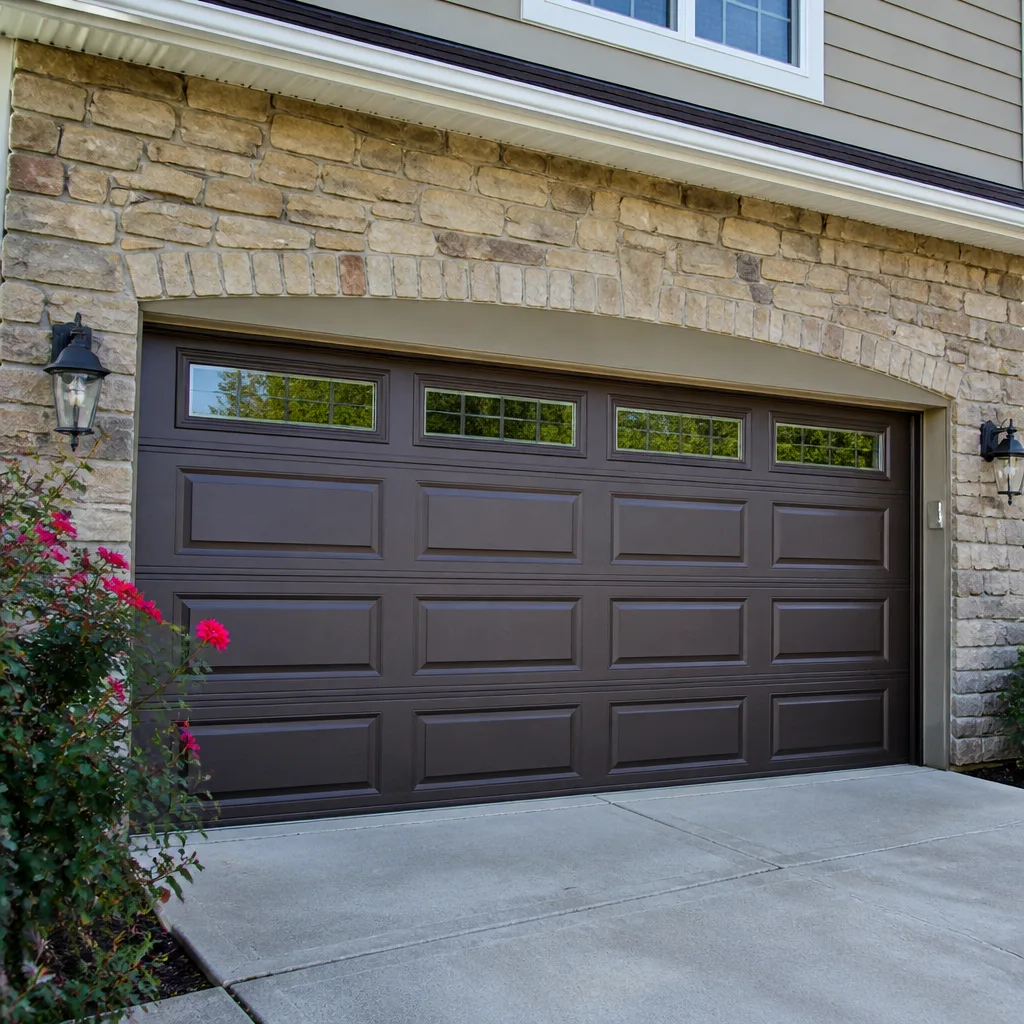 Raised-panel steel
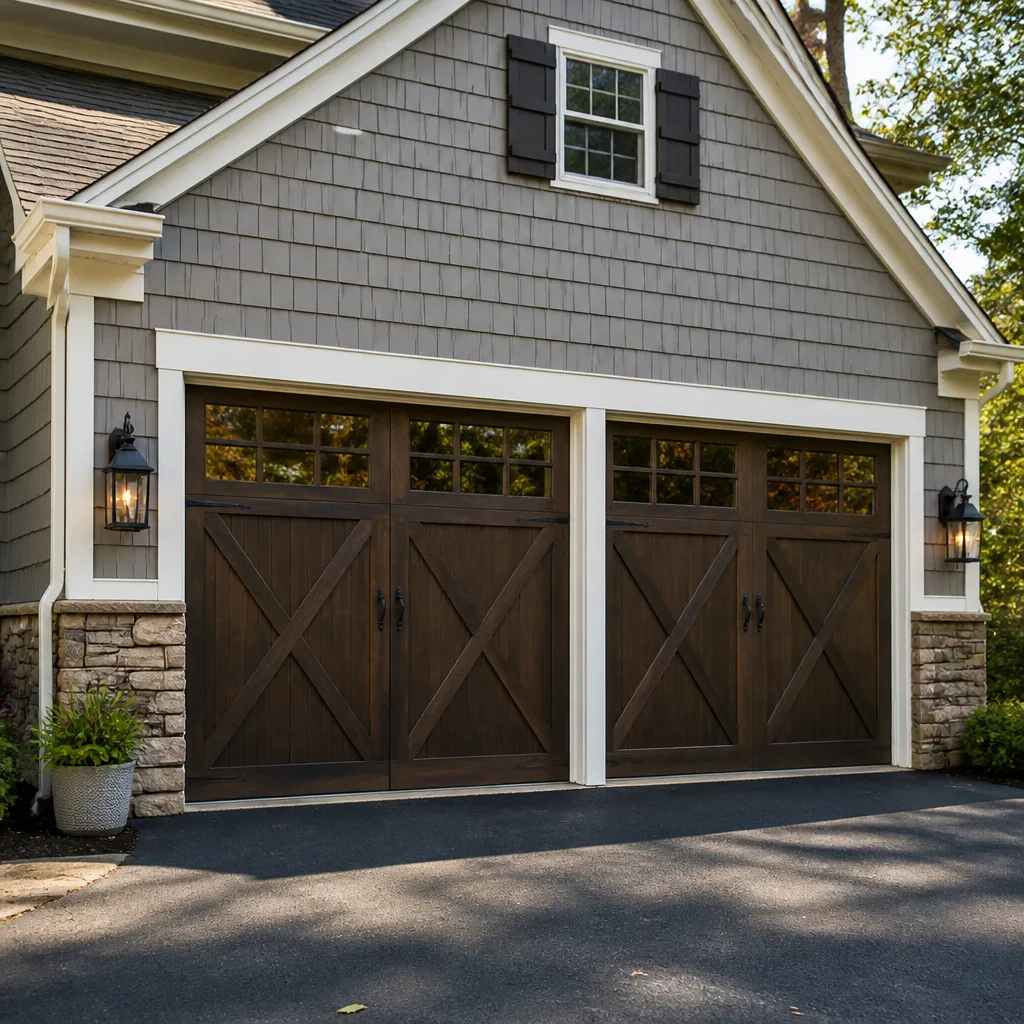 Carriage house
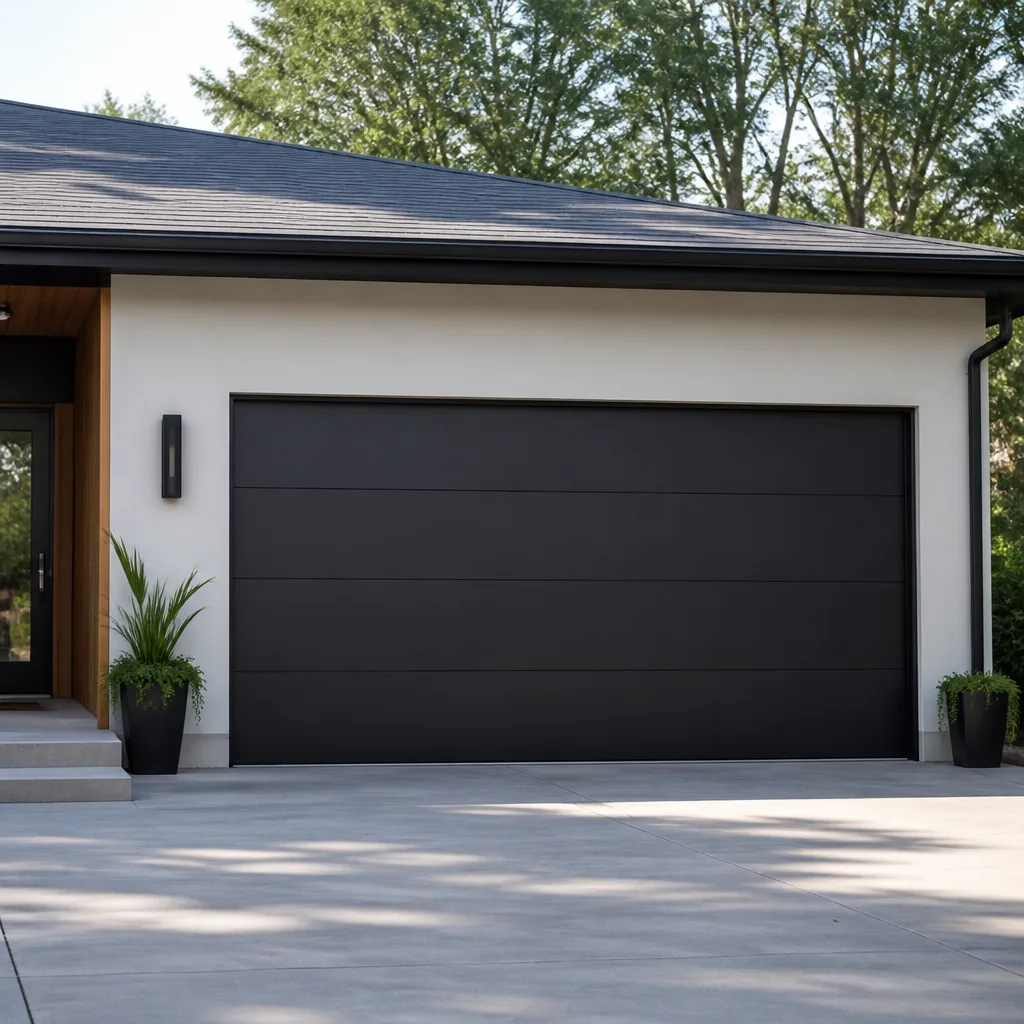 Modern flush
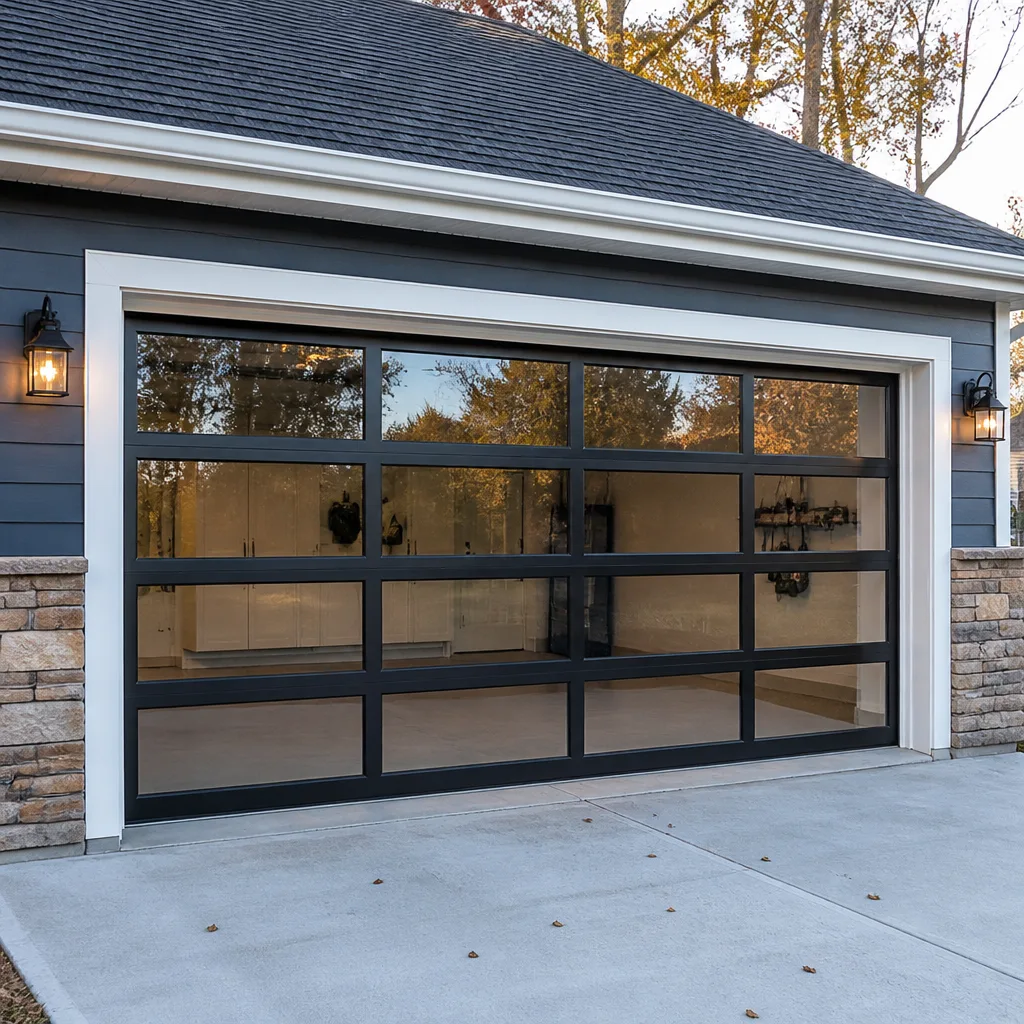 Full-view glass
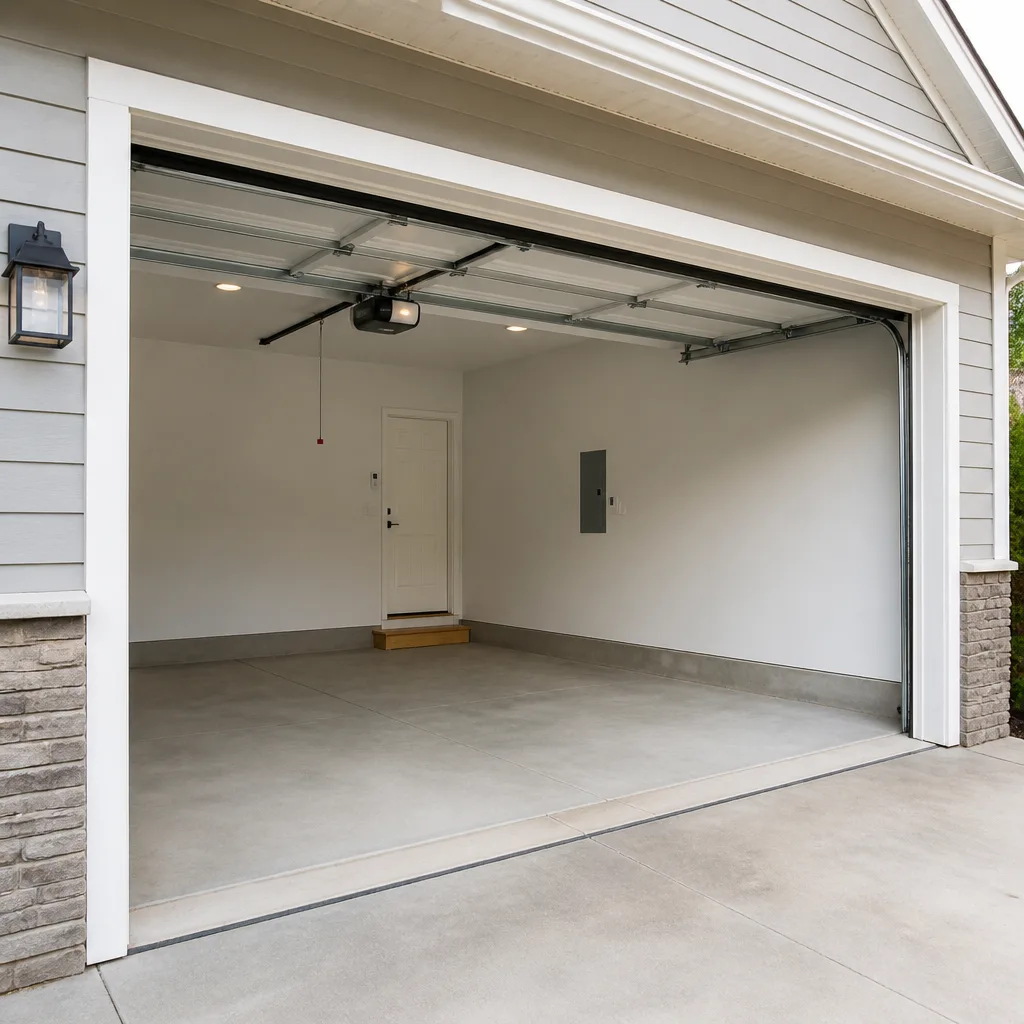 LiftMaster openers
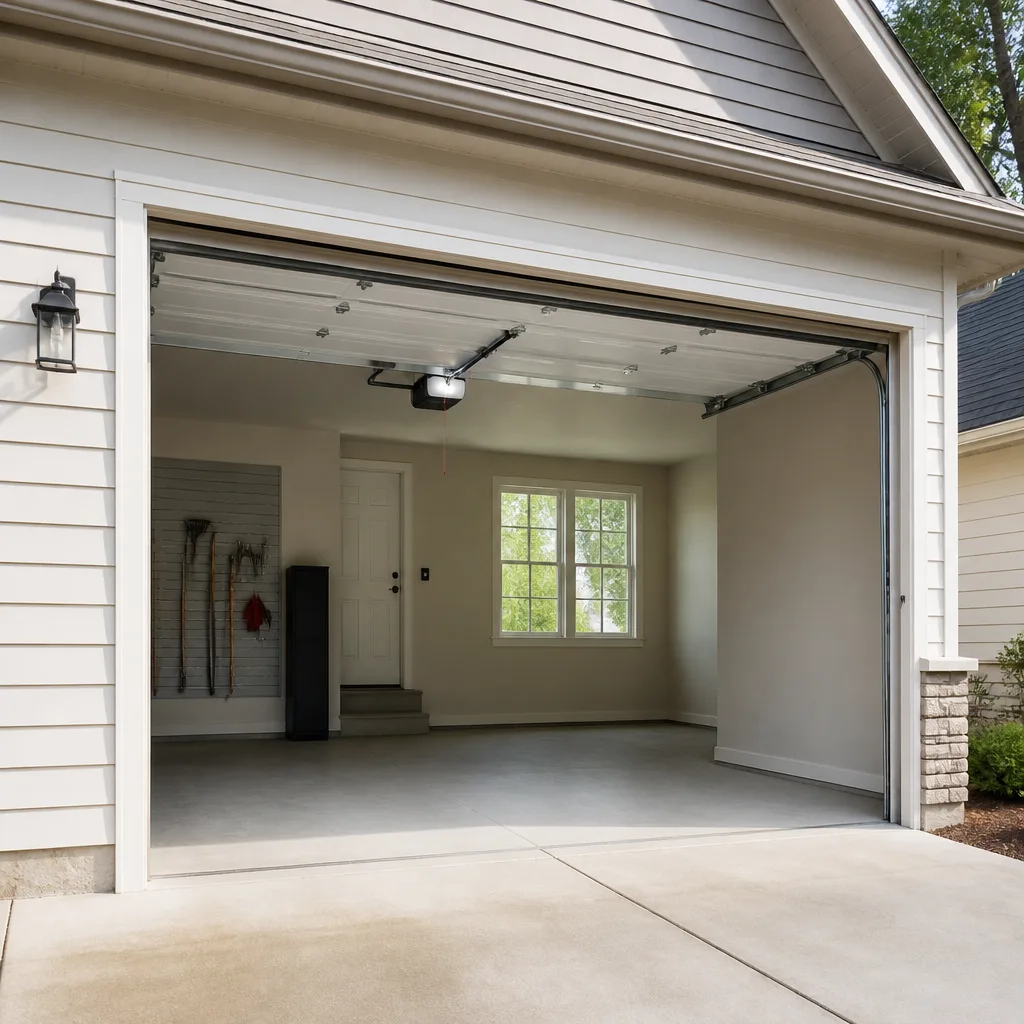 Chamberlain openers
Full 25-point door and opener safety check with every visit - springs, cables, rollers, tracks, and your LiftMaster or Chamberlain opener included
You get a price before we start. It does not change when the pro arrives.
Get your free estimateThe Complete Guide to Garage Doors in Vailsburg
Your garage door moves more than 1,500 times a year (a rough figure, but a fair one for a home with daily comings and goings) – more than any other moving part of your house – yet most people learn how it works only after it traps their car inside. A garage door isn’t a mysterious box that opens and closes. It’s a mechanical system with predictable parts, predictable lifespans, and predictable fixes. Once you understand what’s inside it, you can anticipate a failure instead of getting blindsided by one. This guide walks through the whole thing for Vailsburg homeowners: what breaks, when it breaks, what it costs, and when to call someone.
Quick Answer
A garage door is a system of springs, cables, rollers, panels, tracks, and an opener, and each part has a known lifespan – springs typically 7 to 9 years, cables 8 to 10 years, openers 10 to 15 years. Most garage door problems in Vailsburg trace back to one of those components reaching the end of its life rather than to anything exotic. Keeping the door balanced, the springs and cables inspected, and the opener matched to the door’s weight prevents most emergencies.
Styles & brands we work with
- Raised-panel steel
- Carriage house
- Modern flush
- Full-view glass
- LiftMaster openers
- Chamberlain openers
Table of Contents
- Why Your Garage Door Is a System, Not a Single Part
- How Vailsburg’s Older Housing Stock Affects Your Door and Opener
- Component Lifespans: When Each Part Is Nearing End of Life
- Why “One Brand Fits All” Doesn’t Hold True
- Cosmetic vs. Structural Panel Problems: The Repair-or-Replace Math
- What a Full-System Inspection Should Include
- What Garage Door Work Costs in Vailsburg
- Springs, Cables, and the Safety Rules That Matter
Why Your Garage Door Is a System, Not a Single Part
When a garage door stops working, the instinct is to look for the one thing that broke. Sometimes that works. More often, a single visible failure is the end of a chain that’s been weakening for months. A door that won’t open might be a snapped spring, a bound roller, a frayed cable, or an opener motor that’s been straining against a sagging door. The symptom looks the same; the cause and the fix are different every time.
That’s why we approach a garage door as a whole system. The door itself is a set of panels riding on rollers inside tracks. The balance system – the springs and cables – does the heavy lifting so the opener only has to nudge the door up and down. The opener is a small motor and a rail, and it’s built to move a door that’s already balanced, not to drag a dead weight. When one link in that chain starts to fail, the others take the strain, and that’s how a small problem turns into a full-system repair.
Think about what that means for how you maintain the door. Lubricating the rollers and hinges, checking the balance by hand once in a while, listening for new noises – these small habits keep the whole system healthy. Ignoring them doesn’t usually cause a slow decline. It causes a sudden failure on a morning you need the car, which is exactly the moment nobody plans for. When a door does fail, we handle the garage door repair as a system check rather than a single-part swap, because that’s what stops the same door from breaking again next month.
How Vailsburg’s Older Housing Stock Affects Your Door and Opener
A large share of Vailsburg homes were built before 1980, and many of them have garages that were converted, added on, or built to dimensions that modern doors don’t match out of the box. This matters more than people expect when they go looking for a replacement door or a new opener. A door that fits a newer suburban garage often won’t fit a Vailsburg garage without a custom measure.
The age of the housing brings a few specific things to plan around:
- Non-standard openings. Older Vailsburg garages often have door openings that don’t line up with today’s stock sizes. That’s fine – it just means we measure the actual opening and the headroom before anyone talks about a specific door.
- Low headroom. Conversions and older framing sometimes leave little space above the door. Low-headroom doors and low-profile track exist for exactly this, but you have to know the constraint before you order.
- Older openers. A decade-plus-old opener may be fine mechanically but out of step with the door it’s lifting. If the door has been replaced and the opener hasn’t, the motor is often working harder than it should.
- Converted garages. When a garage becomes a living space, the old door may still be in place as a wall feature. That changes what a repair even means, and it’s worth a conversation before you spend on it.
Vailsburg’s winters are another factor. Cold snaps make metal contract and make old springs and cables more brittle, so failures cluster in the coldest weeks. If your door is already stiff or noisy in fall, it’s worth having it looked at before the first hard freeze rather than after a spring lets go. Planning a replacement? We handle garage door installation with a proper on-site measure so the door, track, and headroom all match the actual garage, not a catalog page.
Component Lifespans: When Each Part Is Nearing End of Life
Most garage door emergencies are parts reaching the end of a predictable lifespan at an inconvenient time. Knowing those lifespans gives you a rough schedule to budget against. These are typical ranges for a door used daily; a door cycled dozens of times a day will wear faster.
| Component | Typical Lifespan | Signs It’s Nearing End of Life |
|---|---|---|
| Springs | 7 – 9 years | Door feels much heavier than it used to; door won’t stay up when raised halfway; visible gap in a torsion spring; loud bang from the garage |
| Cables | 8 – 10 years | Fraying or kinks visible along the cable; door lifts unevenly; cable slack on one side |
| Openers | 10 – 15 years | Motor strains or sounds labored; remote range drops; opener struggles on cold mornings; reversing or stalling mid-travel |
| Rollers and hinges | Varies with use | Rumbling or grinding as the door moves; visible flat spots on rollers; loose or worn hinges |
Two of these matter more than the rest. Springs and cables are wear items with a finish line, and when a spring has been in service for close to its expected life, it’s worth replacing on your schedule rather than waiting for it to snap. A snapped spring is the most common reason a car ends up trapped. The good news is that it’s not a surprise if you know the age of the door and the parts. If you don’t know how old your springs are, an inspection can tell you roughly where they are in their life.
Openers age more gradually. An opener that’s 10 to 15 years old and starting to strain is telling you to plan for a replacement rather than repair. When the motor is failing, we can sort out the garage door opener repair or walk you through a replacement if that’s the better call.
Why “One Brand Fits All” Doesn’t Hold True
Garage door and opener brands aren’t interchangeable, and assuming they are is one of the most common reasons a repair doesn’t hold. A generalist handyman who doesn’t know the specific system can create new problems – a spring sized for the wrong door, an opener that can’t handle the door’s weight, a remote that won’t pair. The result is a callback, sometimes weeks later, when the door fails again.
We work on eight of the most widely installed brands in residential and light-commercial settings: LiftMaster, Chamberlain, Genie, Clopay, Amarr, Wayne Dalton, Craftsman, and Raynor. That width matters because a Vailsburg home could have any of them. An older home might have a Craftsman opener that’s been reliable for years. A newer door might ride a LiftMaster or Chamberlain smart opener. A replacement door might be a Clopay or Amarr panel. Being factory-familiar with each one means we diagnose brand-specific quirks faster than someone swapping parts and hoping.
Take openers as an example. A Craftsman unit from the 1990s and a current Wi-Fi-enabled LiftMaster or Chamberlain unit live in completely different worlds – different logic boards, different remotes, different ways they fail. Knowing which one you’re looking at changes the diagnosis. Raynor doors have their own spring and hardware conventions. Genie openers have characteristic quirks in their limit switches. Multi-brand service capability doesn’t just save a phone call; it prevents the callback that comes from working on a brand you don’t know. Same-visit diagnosis and repair is the goal, and knowing the brand is what makes that realistic.
Cosmetic vs. Structural Panel Problems: The Repair-or-Replace Math
The repair-or-replace decision usually hinges on one question: is the panel problem cosmetic or structural? A dent or a scuff in a steel or wood panel that doesn’t affect how the door moves can often be repaired, or the panel replaced on its own if it’s a sectional door. A panel problem that involves the door’s structure – a cracked bottom panel, a bent track, a door that hangs crooked – isn’t cosmetic, and the repair math changes.
Here’s how to tell them apart:
- Test the door by hand. Disconnect the opener (usually a pull cord), raise the door halfway, and let go. It should stay roughly where you left it. If it drops or feels very heavy, the balance system needs attention – that’s structural, not cosmetic.
- Look at the door in the raised position. A door that’s out of square, bows, or catches on one side has an alignment or structural issue. You’ll see the gap between panels or between the door and the track.
- Check the bottom panel and bottom seal. The bottom panel takes the most abuse. A cracked or rotting bottom panel can compromise the door’s weather seal and invite water in, which in a Vailsburg winter can freeze the door shut.
- Assess the tracks and rollers. Bent track or flattened rollers mean the door isn’t tracking cleanly, which adds strain to the whole system. That’s a structural fix.
The math is straightforward once you know which you have. Cosmetic panel damage is often worth repairing, especially on a door that’s still balanced and functional. Structural damage that’s been ignored for a while tends to cost more to repair than replace, because the surrounding parts have taken extra wear. We’re happy to look at both paths with you and tell you which one the door actually needs – not the more expensive one by default.
What a Full-System Inspection Should Include
A partial inspection is worse than none because it gives you false confidence. A full-system inspection should look at every part that moves or bears load, from the springs to the opener and back down to the floor seal. Here’s what to expect from a proper one.
- Door balance check. The door is disconnected from the opener and tested by hand to confirm the springs and cables are carrying the weight correctly.
- Spring and cable inspection. Look for gaps, fraying, kinks, or rust. This is the part most people skip, and it’s the part that fails most often.
- Roller, hinge, and track check. Each roller should spin freely, each hinge should be tight, and the track should be straight and aligned with the door.
- Opener assessment. Motor condition, travel limits, safety reverse test (the door should reverse when it meets an obstruction), and the remote and wall control.
- Panel and seal condition. Panels, weatherstripping, and the bottom seal, all checked for cracks, rot, or gaps that let water and cold air in.
- Safety features. The photo-eye safety sensors at the base of the door and the manual release all checked and working.
When one of those steps is skipped, you can end up paying for a fix that leaves the real problem in place. A partial inspection leaves money on the table because it misses the part that’s about to fail next. We’d rather spend the extra ten minutes and tell you the whole story.
What Garage Door Work Costs in Vailsburg
Garage door pricing varies by the job, but here are typical ranges so you can plan. The written estimate is always the final word – we quote and agree the price before any work begins, so there are no surprises once the job is underway.
| Job | Typical Estimated Range |
|---|---|
| Spring replacement (one spring) | $180 – $340 |
| Matched spring pair (about twice one spring) | Roughly double the per-spring range |
| Cable replacement | $150 – $300 |
| Opener repair | $120 – $280 |
| Opener replacement (unit and install) | $350 – $700 |
| Panel replacement (per panel) | $200 – $500 |
| Full door replacement (installed) | $1,200 – $3,500 |
These ranges are typical for the Vailsburg market, and they’re estimates, not quotes. A matched pair of springs is usually replaced together, so budget roughly twice the single-spring figure if both springs are being done at once – and on a door with two springs, they almost always are. An estimate is free, and the written price is set before we start. Call us and we’ll walk through what your door actually needs. We answer 24/7, and fast dispatch from 7am to 7pm gets a technician on-site promptly.
Springs, Cables, and the Safety Rules That Matter
Springs and cables are the most dangerous parts of any garage door. They’re under heavy tension, and a failure can cause serious injury to someone standing in the wrong place. That’s not a reason to avoid the door; it’s a reason to leave spring and cable work to a trained professional.
What you can safely do is know the warning signs and not ignore them. A gap in a torsion spring, a visibly frayed cable, a door that suddenly feels heavy, or a loud bang from the garage all mean the balance system needs immediate attention. Don’t try to lift a door whose spring has failed, and don’t run an opener against a door that won’t balance. If a spring has snapped, keep the door closed and call. Springs are one of the most technically demanding and injury-risk-carrying garage door services, and we perform that work as a core offering rather than an afterthought – with the right tools and the right safety procedure.
If your door has failed and it’s creating a real problem – a car trapped, a home no longer secured – we respond to emergency situations for exactly those cases. We’re ready whether it’s an emergency or something you’d rather schedule. Call (877) 331-4152. We answer 24/7, and fast dispatch from 7am to 7pm runs Sunday through Friday. For a full-system inspection that covers springs, cables, rollers, tracks, opener, and seal, we’re the same crew that repairs what we find.
Common Mistakes to Avoid
- Assuming a broken opener is the problem. If the door is heavy or crooked, the opener is usually a symptom. Replacing the opener without fixing the balance just gets you two failures instead of one.
- Skipping the spring check. Springs fail without warning signs unless you look. A yearly look at the spring and cable condition would catch most end-of-life springs before they snap.
- Letting a generalist work on a specific brand. A handyman who doesn’t know your Craftsman or LiftMaster unit will often create a callback. Know the brand you have and get someone who works on it.
- Ordering a door without measuring. Vailsburg’s older garages frequently don’t match stock sizes. A custom measure before ordering saves a return and a reinstall.
- Treating a structural panel problem as cosmetic. A bent track or a crooked door is not a dent. Patching it over just delays a bigger repair.
- Lubricating and calling it maintenance. Lubrication keeps parts moving; it doesn’t check the springs, cables, or opener safety features. Both need doing.
- Ignoring the cold-weather warning signs. Fall is the time to fix a stiff or noisy door. Winter in Vailsburg will find the weak part for you if you don’t.
See the difference
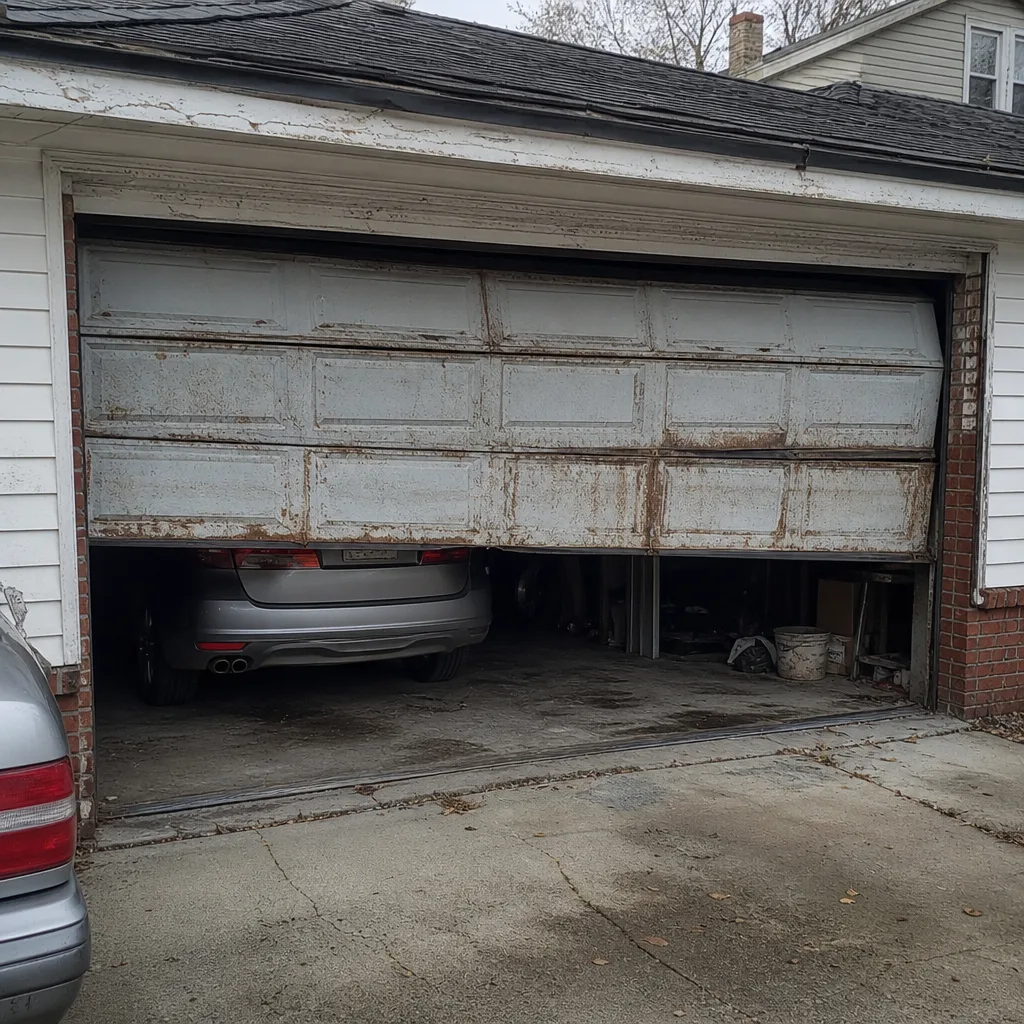 Before
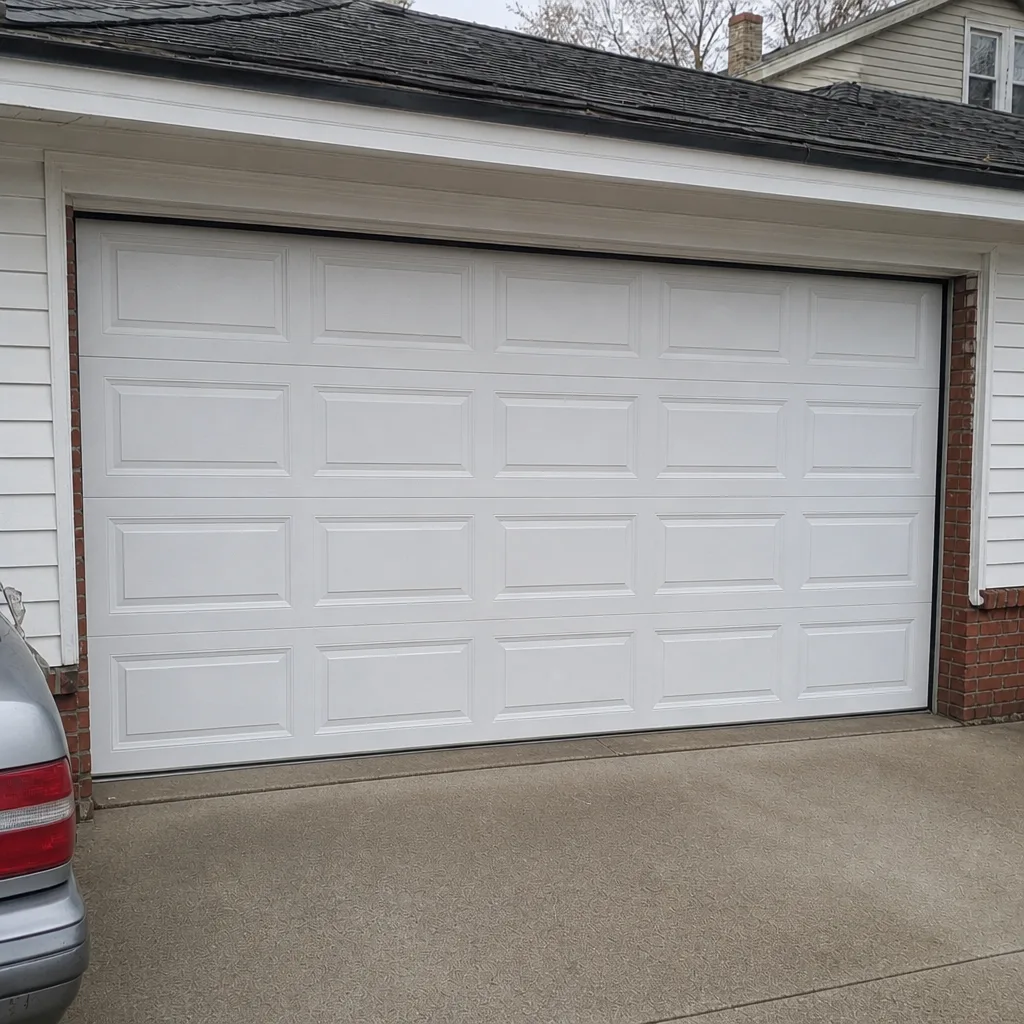 After
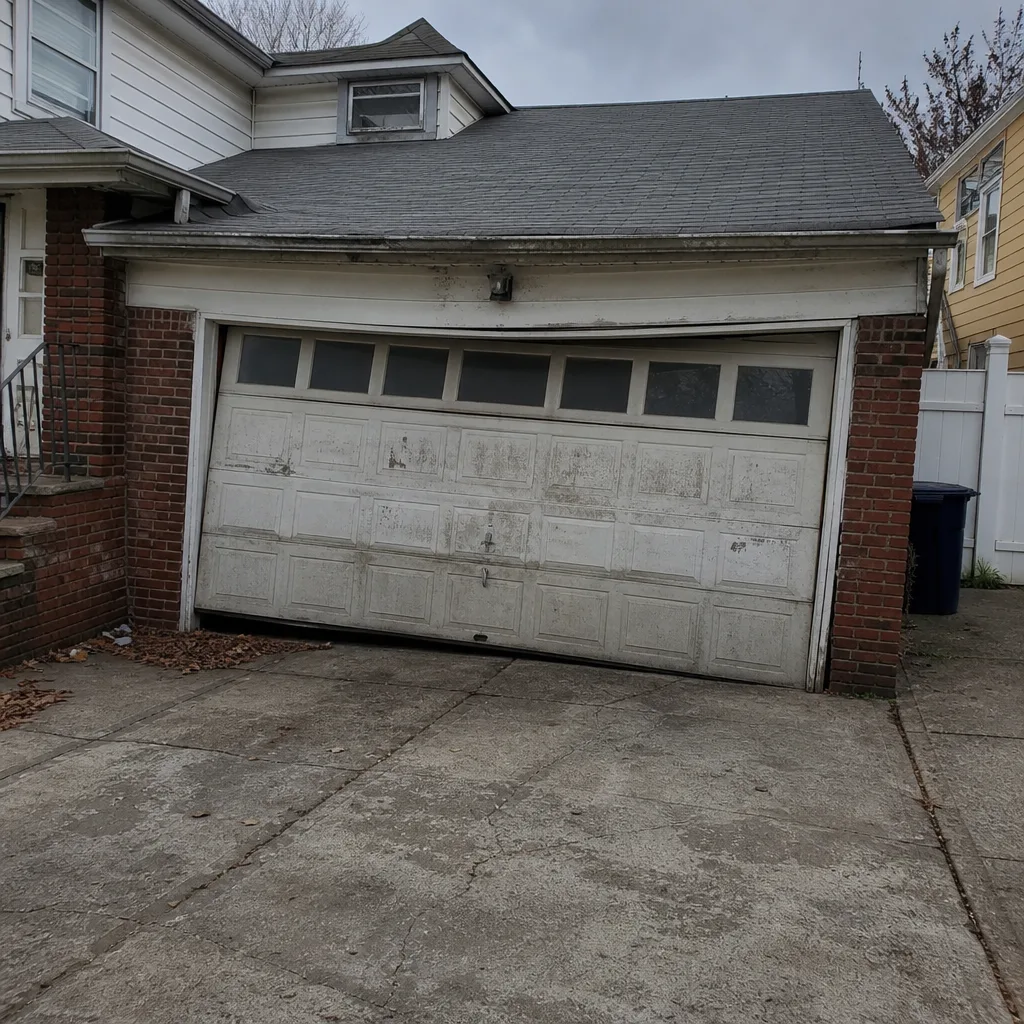 Before
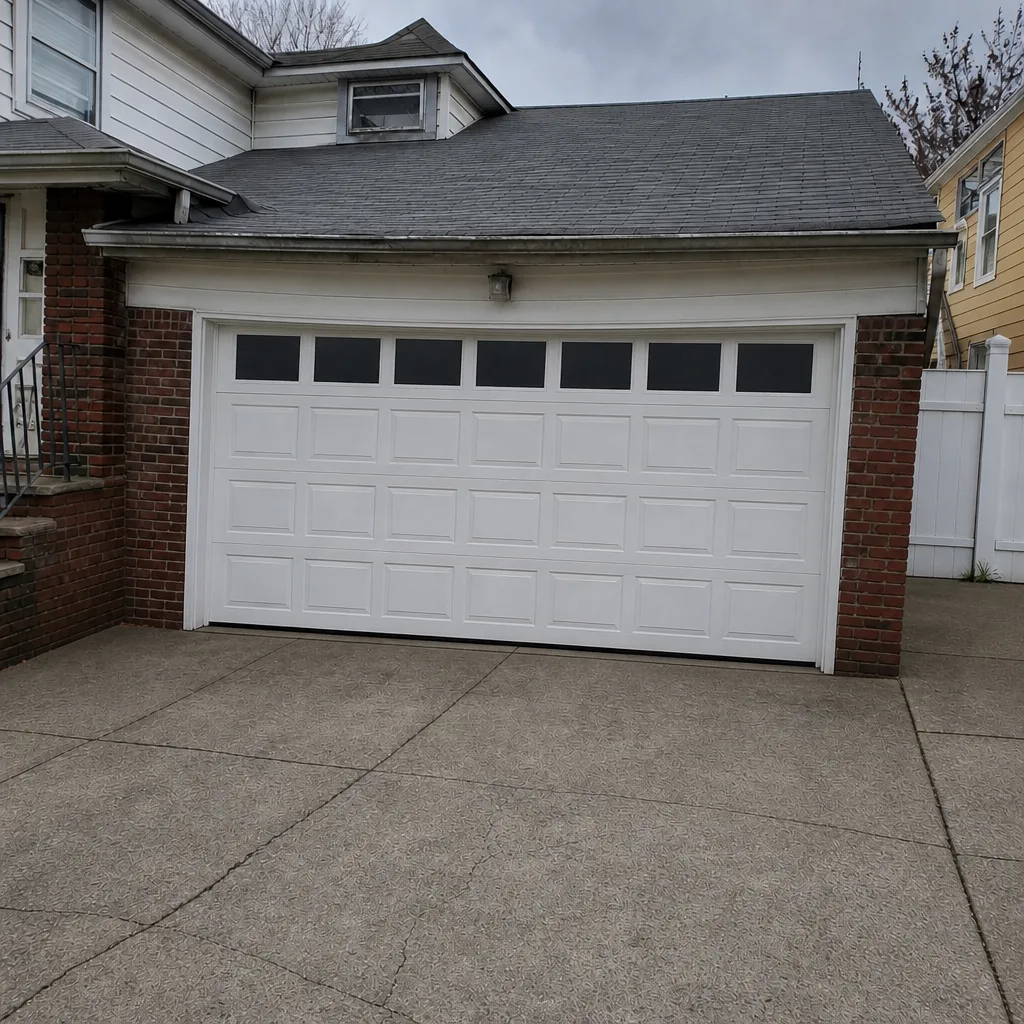 After
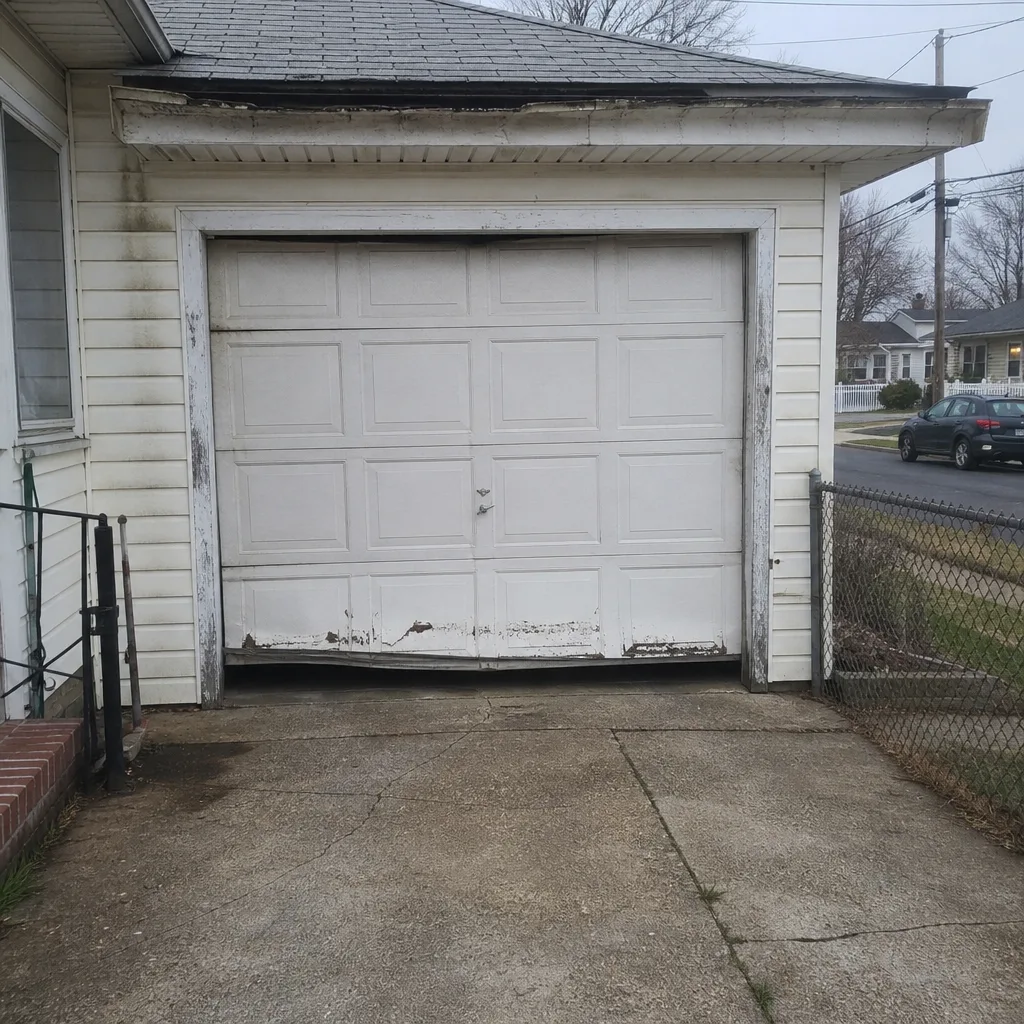 Before
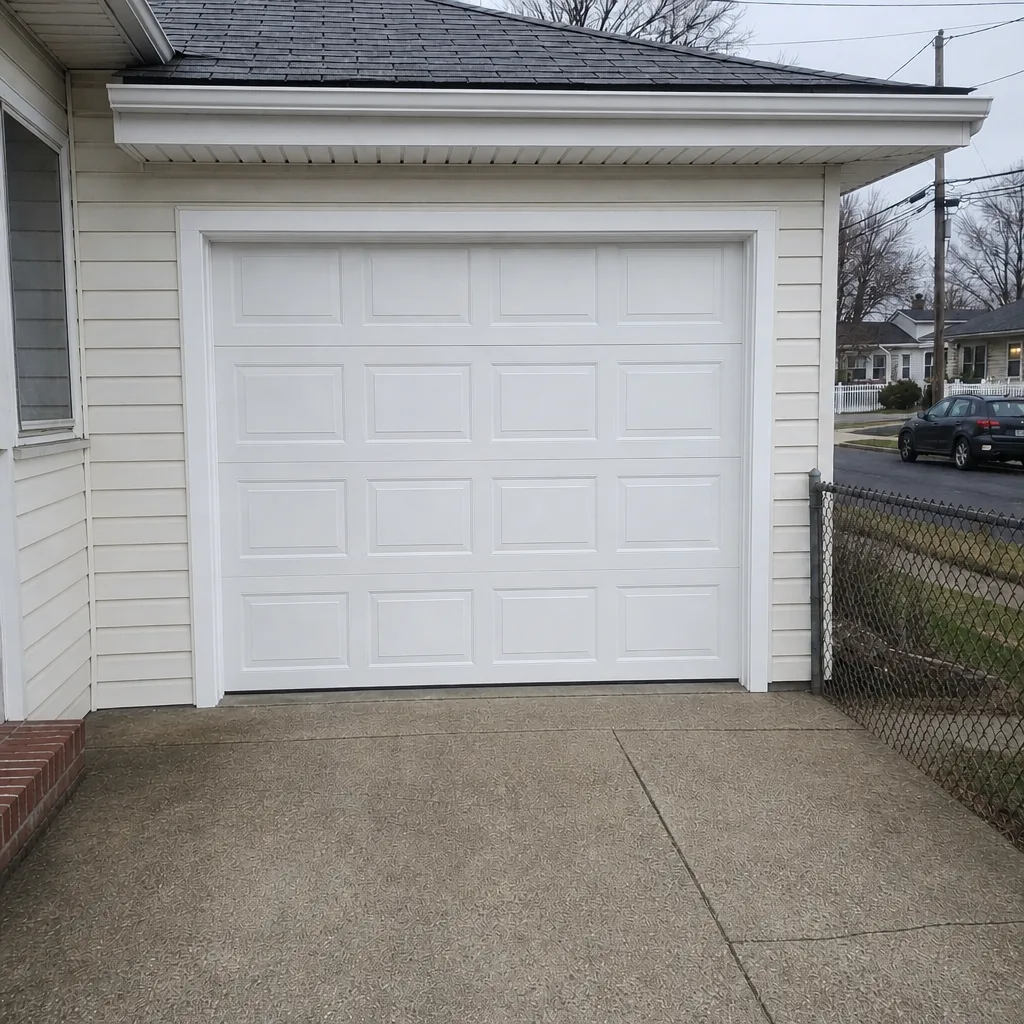 After
When to Call a Professional
Some things are worth calling for the moment you notice them. A snapped spring, a frayed cable, a door that won’t stay up when raised halfway, a bent track, or an opener that’s straining all call for a professional, because the fix involves tension that can hurt someone who isn’t trained. So does anything that leaves a car trapped or a home unsecured, and so does a door that’s out of balance or visibly out of square. If your door is older and you don’t know its service history, an inspection is the sensible first call. Garage Door Repair Vailsburg offers free estimates in Vailsburg – call (877) 331-4152. We answer 24/7, and fast dispatch from 7am to 7pm runs Sunday through Friday. Our technicians have up to 8 years of experience, and we work on your brand – LiftMaster, Chamberlain, Genie, Clopay, Amarr, Wayne Dalton, Craftsman, and Raynor.
Frequently Asked Questions
Once a year is the usual rhythm, with an extra look in fall before the cold sets in. A yearly inspection catches springs and cables nearing end of life before they fail. If your door is noisy, stiff, or older than average, don’t wait for the next scheduled look. Call (877) 331-4152 for a free estimate.
Replace both if the door has two springs of the same age. A matched pair is usually done together because the second spring is at nearly the same point in its life as the one that failed. Doing one and not the other leaves you set up for a second failure soon after. A pair costs roughly twice the single-spring range. Call for a free estimate.
Cold weather makes springs and cables stiffer and more brittle, so the opener has to work harder than it does in warm months. If the strain is new, the balance system or the opener may be near the end of its life. It’s worth checking before the door fails. Call (877) 331-4152 and we’ll take a look.
Repair usually wins on cosmetic damage, and a single sectional panel can often be replaced on its own. Once the damage is structural – a bent track, a crooked door, a cracked bottom panel that affects the seal – replacement can come out cheaper than patching. We’ll tell you which one the door actually needs. Call for a free estimate.
We work on eight of the most widely installed brands: LiftMaster, Chamberlain, Genie, Clopay, Amarr, Wayne Dalton, Craftsman, and Raynor. That’s residential and light-commercial equipment, from older Craftsman openers to current Wi-Fi-enabled LiftMaster and Chamberlain units. Knowing the brand is what keeps a repair from turning into a callback. Call (877) 331-4152.
No – the price is quoted and agreed before any work starts. We give you a written estimate for the job we find, and that written price sets the final cost. If we discover something that changes the scope, we’ll talk it through with you first. Estimates are free. Call (877) 331-4152.
The Bottom Line
Your garage door is the hardest-working moving system in your home, and like any mechanical system, it has parts on a schedule. Springs run 7 to 9 years, cables 8 to 10, openers 10 to 15, and knowing where your door sits on that timeline lets you plan a repair before it becomes an emergency. In Vailsburg, older homes and cold winters shorten the window, so measuring before ordering and inspecting before winter matters more than it does elsewhere. Whether the job is a spring, a cable, a panel, an opener, or a full new door, we handle every part of the door with the same crew, on the brands you actually own. Call (877) 331-4152 to set up a free estimate.
Written by the team at Garage Door Repair Vailsburg.